
The Stress & Focus Revolution
HIIT in 2025 is no longer just for burning calories. This short, powerful training is the ultimate tool for neuro-optimization, leveraging biofeedback to melt stress and sharpen your cognitive edge. So, dive in, read up, and get ready to shake things up for a better, healthier life!





Images
High-Intensity Interval Training (HIIT) is having a major resurgence in 2025, but it has completely redefined its purpose. Gone are the days when HIIT was purely a 20-minute calorie blast; this trend has evolved into a sophisticated discipline for Neuro-Optimization. Leveraging advancements in wearable technology and biofeedback, HIIT is now positioned as a targeted tool to enhance mental health, reduce stress hormones, and sharpen cognitive functions. It’s no longer about pushing for the sake of exhaustion—it’s about precision intervals that maximise the post-exercise rush of endorphins and brain-derived neurotrophic factor (BDNF), effectively making it a workout for the brain as much as the body.
The key innovation driving this trend is the integration of Heart Rate Variability (HRV) tracking. Modern HIIT apps and smartwatches provide real-time data, dictating the duration and intensity of the rest period based on how quickly your nervous system recovers. This personalized approach prevents overtraining and ensures the workout is optimally stressful without pushing the user into a state of anxiety. The focus has shifted from "Max Effort" to "Max Effective Recovery."
 L’Officiel India DigitalRead L’Officiel India in the digital libraryEvery issue and every cover story, on TCG Media.Read now
The Stress-Melters: HIIT for Emotional Regulation
Optimize your brain: use short, intense intervals and data to achieve peak cognitive performance.
For those battling modern burnout, anxiety, or high cortisol levels, this form of HIIT is designed to provide a physical "release valve" while training the nervous system to handle stress better. The goal is to safely reach an intensity peak, followed by a deeply intentional recovery.
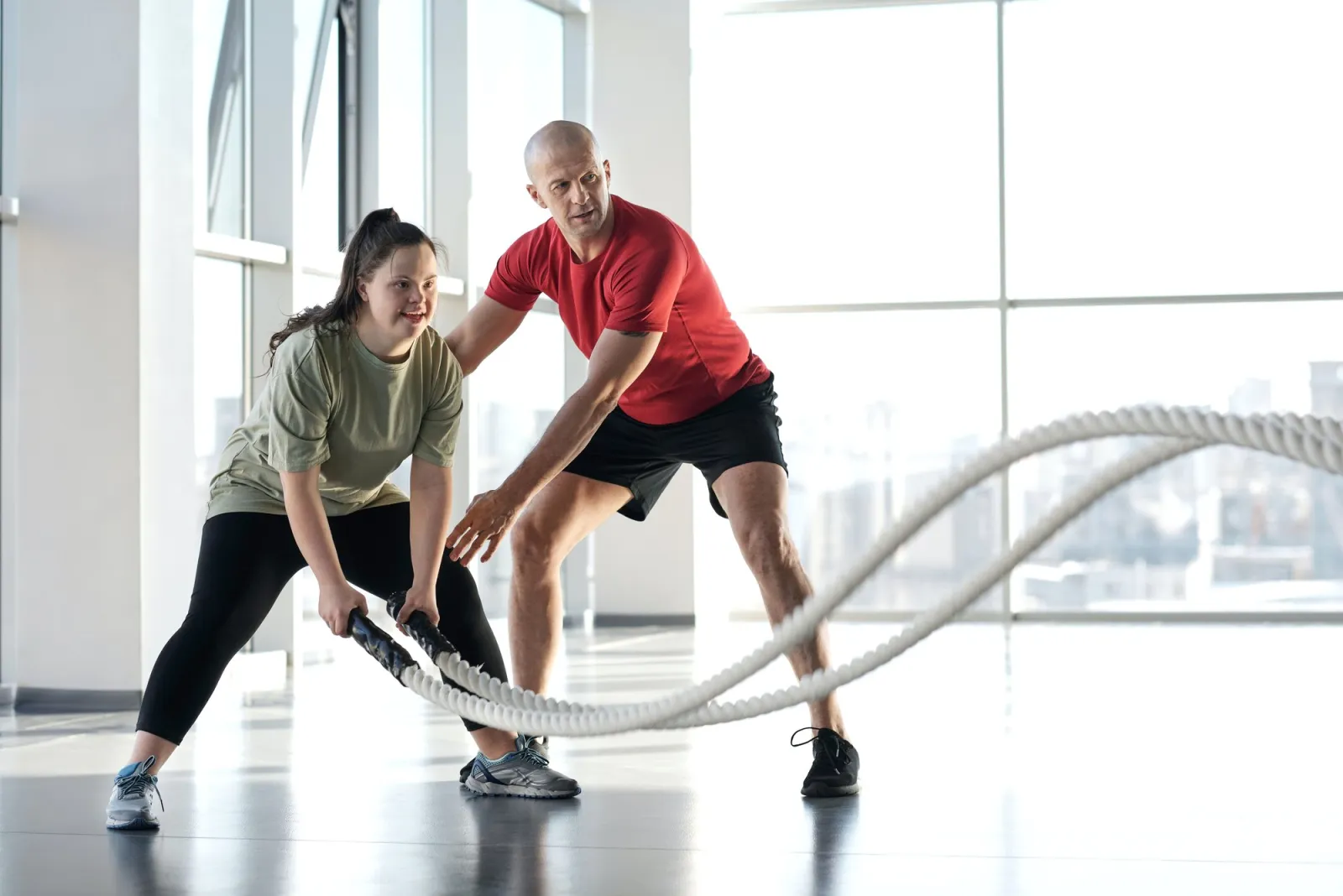
Moves for Calming the Chaos
The Mindful Mountain Climber:
What it works: Cardiovascular endurance, core stability, and regulated breathing.
How to do it: Perform Mountain Climbers at max speed for 40 seconds. The recovery is the key: for the next 40 seconds, slow down to a walk while focusing on a deep 4-second inhale and a purposeful 8-second exhale. This actively trains the body to activate the parasympathetic (rest) system immediately.
Heavy Sandbag Ground-to-Shoulder:

What it works: Full-body power, core engagement, and tension release.
How to do it: Use a moderately heavy sandbag (or heavy item). Lift it from the ground and heave it up to one shoulder, then repeat on the other side, moving quickly but with control for 30 seconds. This primal, whole-body movement is highly effective for safely discharging built-up physical tension and stress hormones.
The Burpee-and-Hold:
What it works: Explosive cardio, core strength, and muscular endurance.
How to do it: Perform 8 standard Burpees as quickly as possible. The recovery requires you to hold a low-plank (forearm) position for 30 seconds, maintaining a mental mantra of "Stillness" or "Grounded."
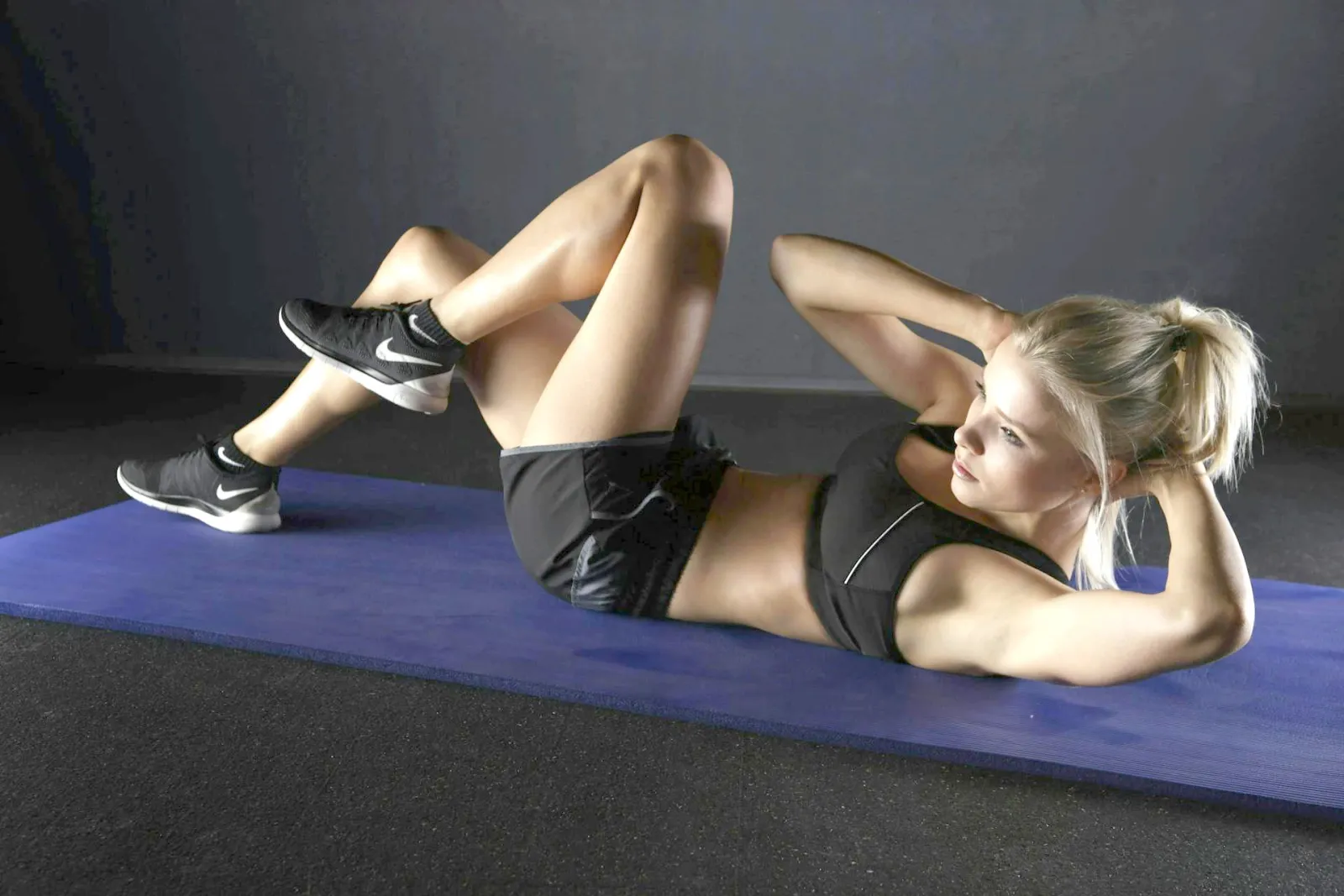
The Focus-Finders: HIIT for Cognitive Enhancement
This application targets the boost in BDNF and blood flow that sharpens focus, memory, and productivity—perfect for students, busy executives, and creatives. This involves complex movements to challenge the brain and body simultaneously.
Moves for Sharpening the Edge
The Complex Kettlebell Carry (Dual-Tasking):
What it works: Core stability, grip strength, and cognitive load.

How to do it: Hold a heavy kettlebell in only one hand. Walk 50 feet. While walking, count backward from 100 by 7s (100, 93, 86...). The uneven load and the mental arithmetic train the brain to maintain focus under physical duress.
The Agility Ladder Memory Drill:
What it works: Foot speed, coordination, and short-term memory.
How to do it: Ask a partner (or use a recorded cue) to call out a three-step pattern (e.g., "Left-Right-Hop") just before you start. Immediately execute that pattern through the ladder as quickly as possible. This forces fast neural pathway firing.
Reactive HIIT Sprint:
What it works: Cardiovascular power and reaction time.
How to do it: Sprint at max effort for 20 seconds. Instead of a set recovery time, your partner holds up a green card to sprint and a red card to stop. This unpredictable stimulus trains the nervous system's ability to react quickly and shift gears.
Spotted a mistake, or your photo used without permission? Report a correction












