The Satin Revolution
Are designers in the fashion industry well on their way to achieving gender equality? Echoing the current trend in society, the place of women in the plush studios of fashion brands is fast evolving. We take a closer look.
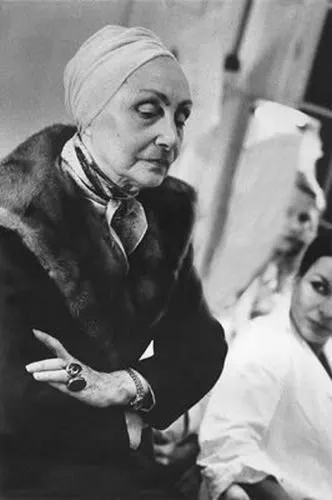




Last July, when Italian designer Maria Grazia Chiuri was named Creative Director of Dior, the headlines of most major fashion publications stated the same thing: it was the first time in the history of this house that a woman was appointed to this post. “I am very honoured to join the house of Dior. Being the first female creative director of the house comes with huge responsibility, especially since it is so closely linked to the expression of femininity,” she said, well aware of the high stakes of her appointment. This news sent positive shockwaves through the industry and was applauded by all. In March 2016, Bouchra Jarrar took over at Lanvin after Alber Elbaz’s 14-year stint. It is interesting that while fashion and luxury speaks largely to a female clientele, a large majority of its designers are still men. According to a survey by The Business of Fashion, at the Spring-Summer 2017 shows in Milan, New York, London and Paris, 40.2% of designers are women. This figure is indeed self-explanatory.
Almost equals
 L’Officiel India DigitalRead L’Officiel India in the digital libraryEvery issue and every cover story, on TCG Media.Read now
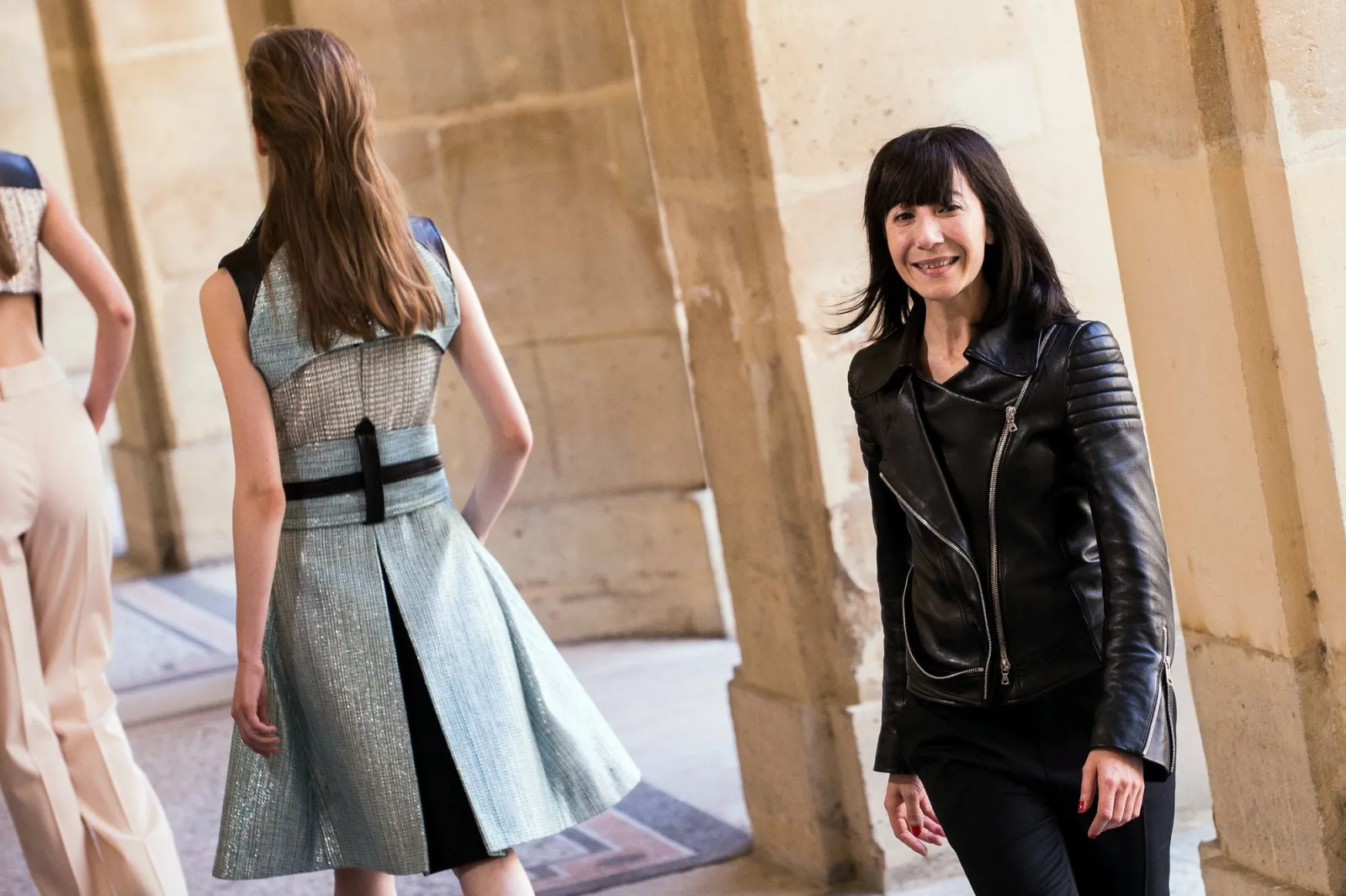
“Forty per cent? I think that’s pretty good. When I started off, I could literally count the number of major female designers on my fingers,” says French designer Martine Sitbon, who launched her eponymous brand in 1986. “This was one of the most frequent questions that journalists would raise: how can a solo woman succeed in this business? I never suffered any gender biases and I never wore my gender as a stigma in the industry. I didn’t even think about it too much. At the end of the ‘80s, I was chosen by Chloé to design their collections, following 20 years of Karl Lagerfeld’s collections. It was an innovative step on their part.” Isabel Marant, who launched her brand in the mid ‘90s shares her views: “This figure of 40% women is not bad at all. We are almost equal. Male designers have always enjoyed more visibility because female fashion editors have always promoted them. There is an element of masculine charm here. And that’s just how it functions.”
We’ve seen people like Carine Roitfeld supporting Tom Ford, Marie-Amélie Sauvé writing on Nicolas Ghesquière or Babeth Djian defending Alber Elbaz. But how many female fashion editors have joined hands with a female designer?
The History of Women
“Clothing has been linked to women right from the Middle Ages. Therefore, the textile industry has been spearheaded by women. Women would control the production of household garments in their own homes,” says Xavier Chaumette, fashion historian. A change started to come about from the 14th century, when the production fell on the shoulder of men: “Clothes for men, designed by men. Women were only there to help out. She was dependent on men and her association with clothing was limited to lingerie or being a fashion salesgirl.” How, then, did women reenter the fashion game? Thanks to a woman named Rose Bertin, Marie-Antoinette’s personal designer, who was much written about for being the Queen’s favourite courtier. “It is thanks to her that women with modest origins had access to a professional career in the 18th century. She played an important role in fashion history. She can even be compared to Gabrielle Chanel or Madeleine Vionnet. They all came from humble backgrounds but attained social and professional success thanks to their work in fashion,” says the historian.
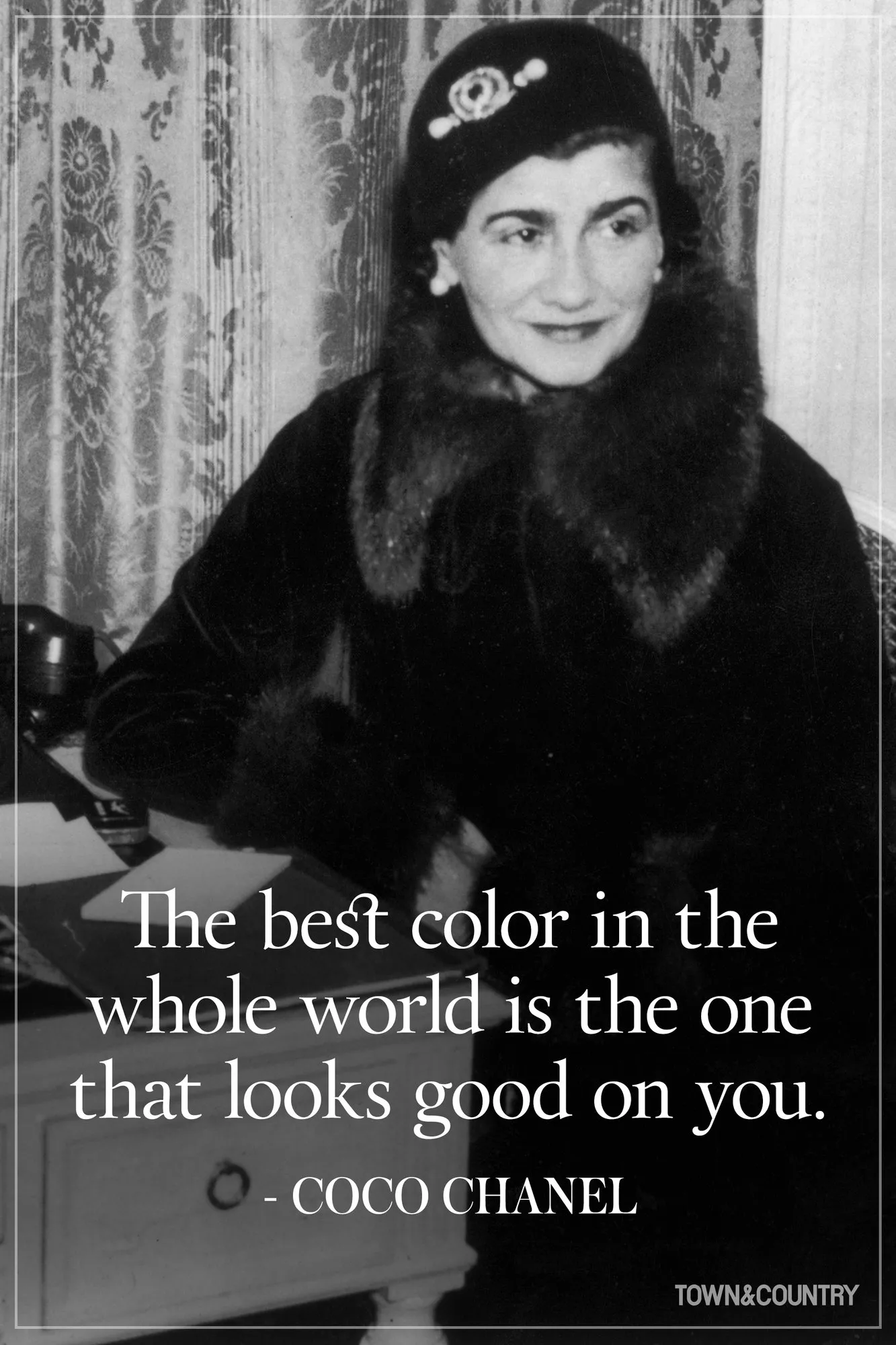
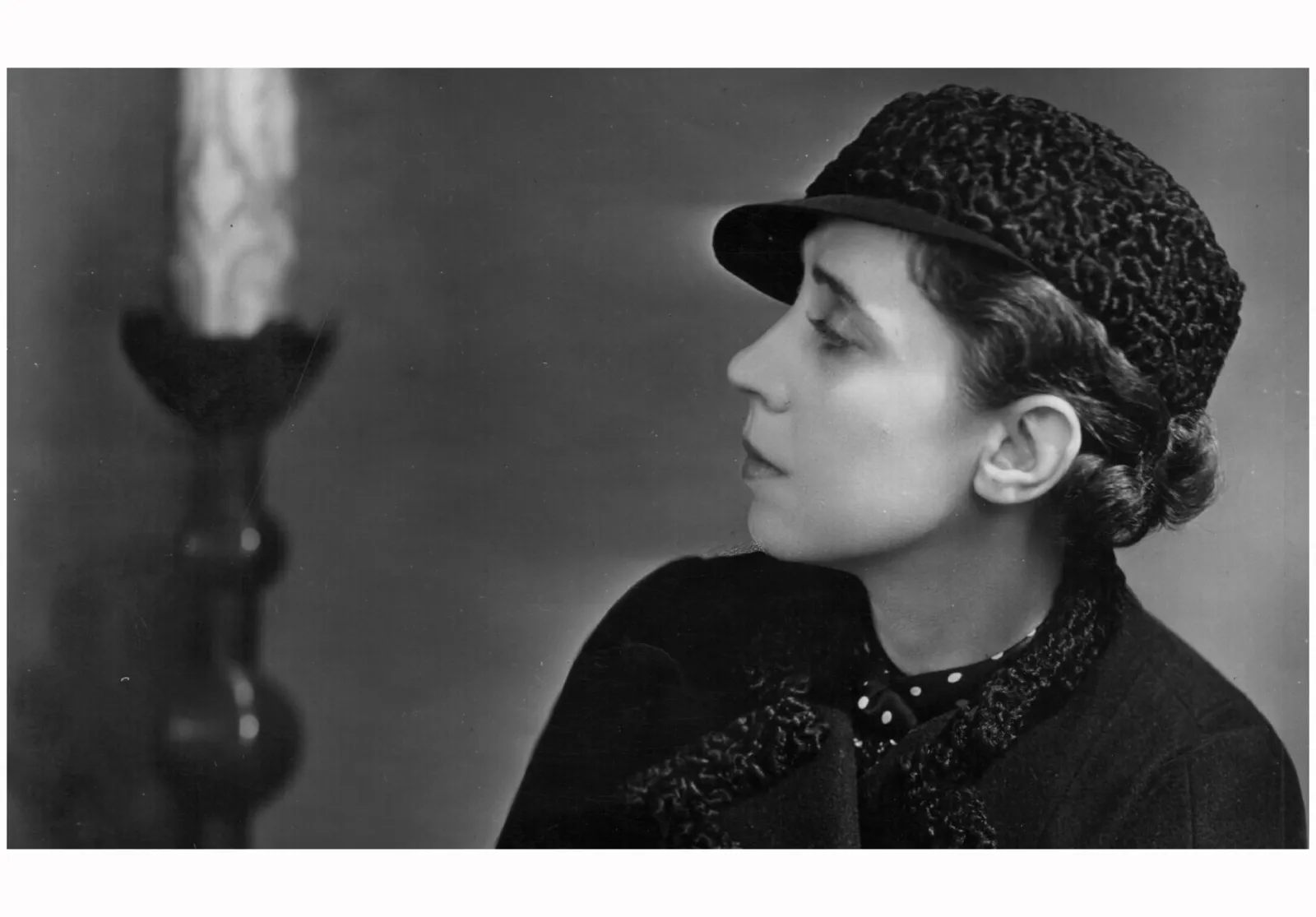
They also contributed to the emancipation of women by liberating women and establishing themselves as industry leaders, at the helm of their own companies. Chanel, Elsa Schiaparelli or even Jeanne Lanvin paved the way for the likes of Sonia Rykiel and Rei Kawakubo. These pioneers continue to inspire the young generation: “Those who inspired me and made me want to take up this profession are all women: Vionnet, Madame Grès, Miuccia Prada, Martine Sitbon and even Michèle Lamy. They all represent strong women, which I like,” says Christelle Kocher, founder of the independent Parisian label, Koché.
Fighting prejudices
Today, lots of designers like Vanessa Seward choose to set up their own businesses and begin their adventure. The stars are in favour of female entrepreneurs who are effortlessly building empires like Victoria Beckham has done. Floriane de Saint-Pierre, a headhunter in the luxury industry says that major luxury houses have unhesitatingly given their reins to women: “Kering appointed Sarah Burton as Alexander McQueen’s replacement. She was unknown to the public but she rose to the challenge effortlessly. The Richemont group brought Phoebe Philo at Chloé to the fore. This is an important message being sent out by these major conglomerates.” Phoebe Philo who is at the helm of LVMH’s brand Chloé chose to move her office to London in order to be with her family. We even remember how the brand’s fashion show in March 2012 was cancelled while she was expecting her third child. According to Clare Waight Keller, creative director at Chloé since 2011, one must not be afraid of prejudices that come your way: “In corporate culture, we tend to think that men have more strength to assert themselves but that women are capable of doing the job. You need to be ready to compromise and act accordingly. It is difficult and many women refuse to compromise on their values, but it is doable and important. At Chloé, 80% of the workforce is comprised of women. The irony is that even today, very few of them reach high positions.”
A gender issue?
The main advantage of having a female designer is obviously the fact that she can identify with the clothes personally. “There is a language of truth. Even though it is important to dream, one must always stay grounded in reality. You need to be connected to your client and her day to day life,” says Vanessa Bruno, who has been designing clothes for two decades. However, truth be told, the male designers have also been responsible for portraying women through the decades. “Men often push the limits of creativity because they don’t build barriers. For a man, women’s fashion has a fantasy element and it is never constrained. I am thinking of Alexander McQueen and Christian Lacroix. Coco Chanel or Sonia Rykiel, for example, embody dailywear fashion”, says Isabel Marant. She also confesses that she is entirely surrounded by women at her creative studio: “It was not a conscious decision but I tend to work with women more. I like to see their reactions to clothes.” For Floriane de Saint-Pierre, gender has no place in the research of the best possible design: “Talent has no gender. It is important that female designers are as visible as male ones. This will enable luxury groups and brands can make an informed choice between candidates.”
A bright future
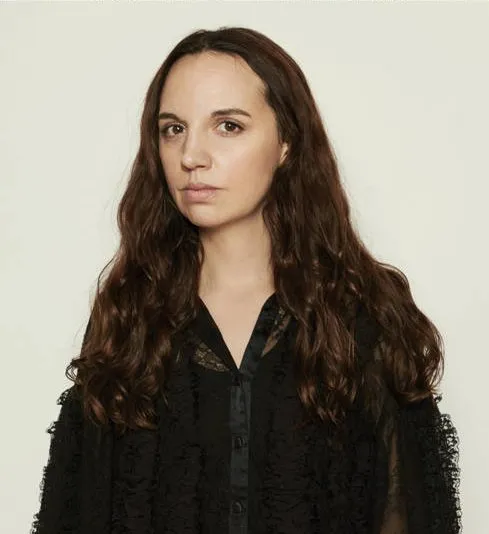
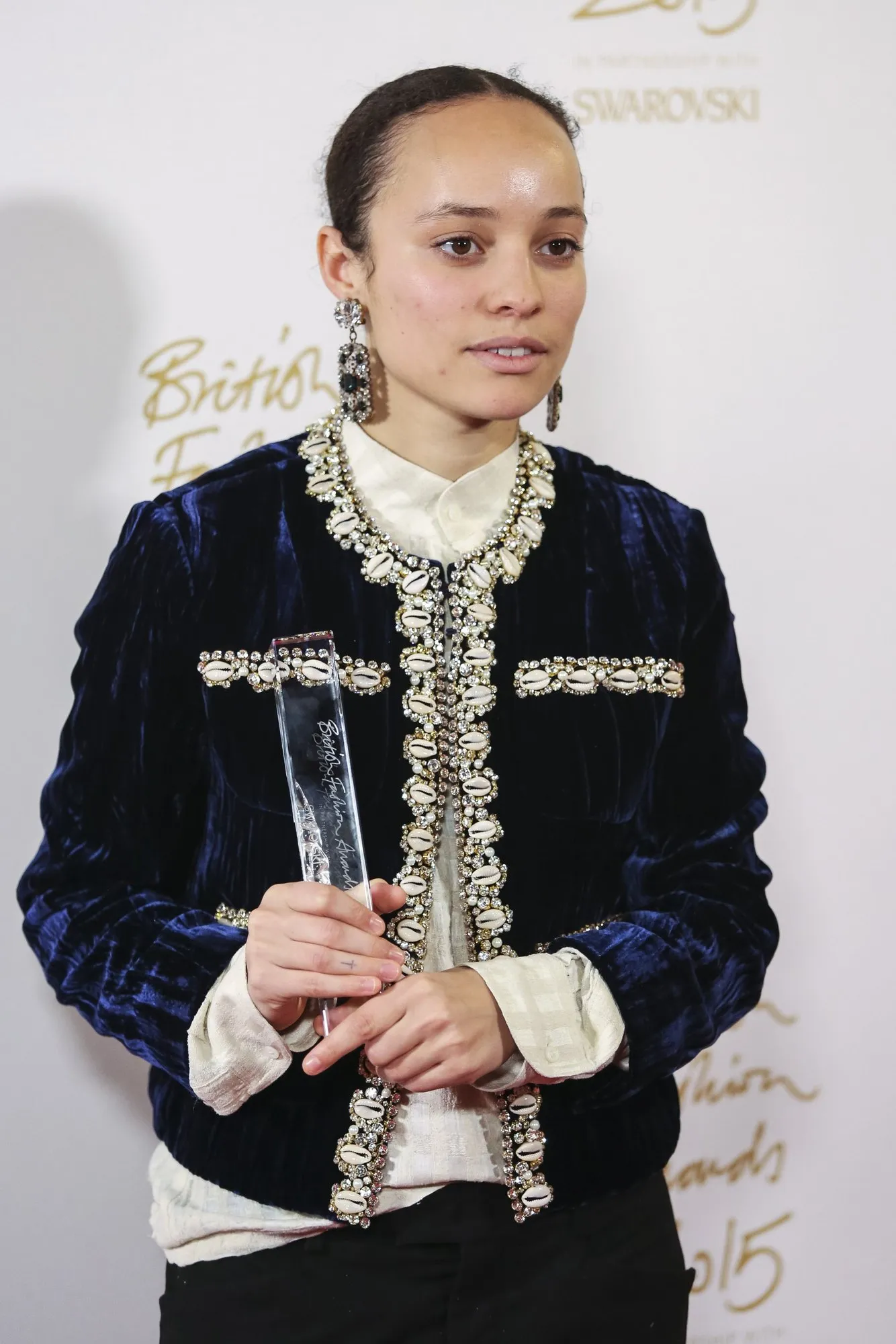
The current era favours the emergence of female talent. Luxury groups and cultural ministries across the globe are promoting female designers in the form of talent shows. In 2016, the prizes at all these shows were won by girls: Johanna Senyk from France, a founder of Wanda Nylon bagged the Andam prize, London girl Grace Wales Bonner bagged the LVMH prize while English girl Hannah Jinkins walked away with the H&M Design award. Last November, the Kering group offered several prizes as part of its collaboration with London College of Fashion to promote ethical and eco-friendly fashion. This initiative is mentored by Stella McCartney and sponsored by Brioni. Four of the five winners were girls. “That says a lot. Things are changing. This will, hopefully, encourage other girls to come forward,” says Christelle Kocher. “Thanks to prizes like these, they are enjoying great visibility. We can no longer say that women are lagging behind,” adds Floriane de Saint-Pierre. According to Clare Waight Keller, the current debate is extremely positive: “The more one talks about female designers, the easier it will be for the future generations to excel. Our generation is paving the way for the next. It is important to be part of this debate and raise the right questions.”
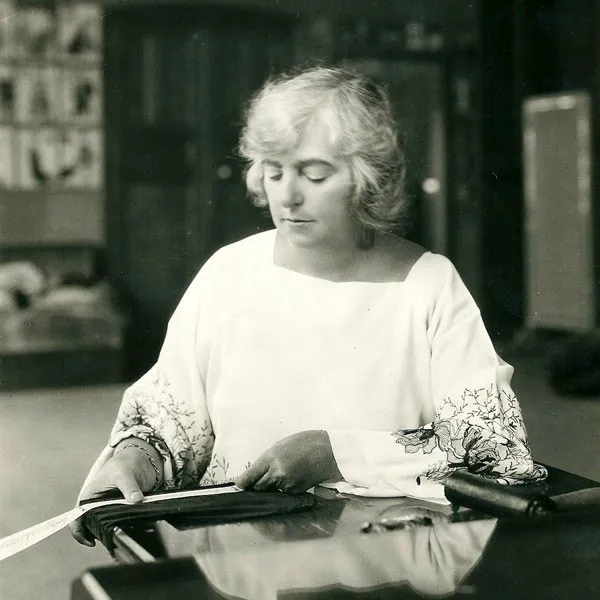
“By establishing themselves as industry leaders, Chanel, Schiaparelli and Jeanne Lanvin paved the way for other women.”
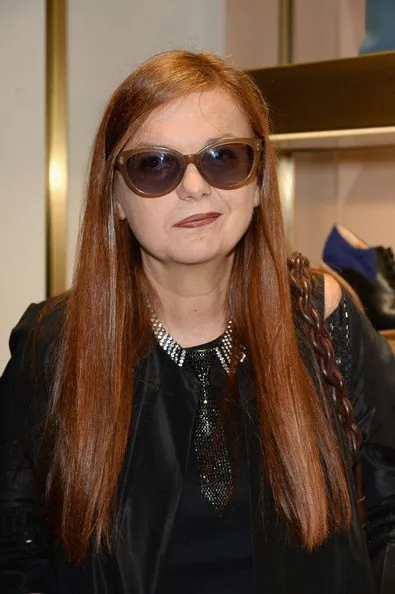
“Truth be told, the male designers have also been responsible for portraying women as fantasies.”
Spotted a mistake, or your photo used without permission? Report a correction