The Reformed Rebels
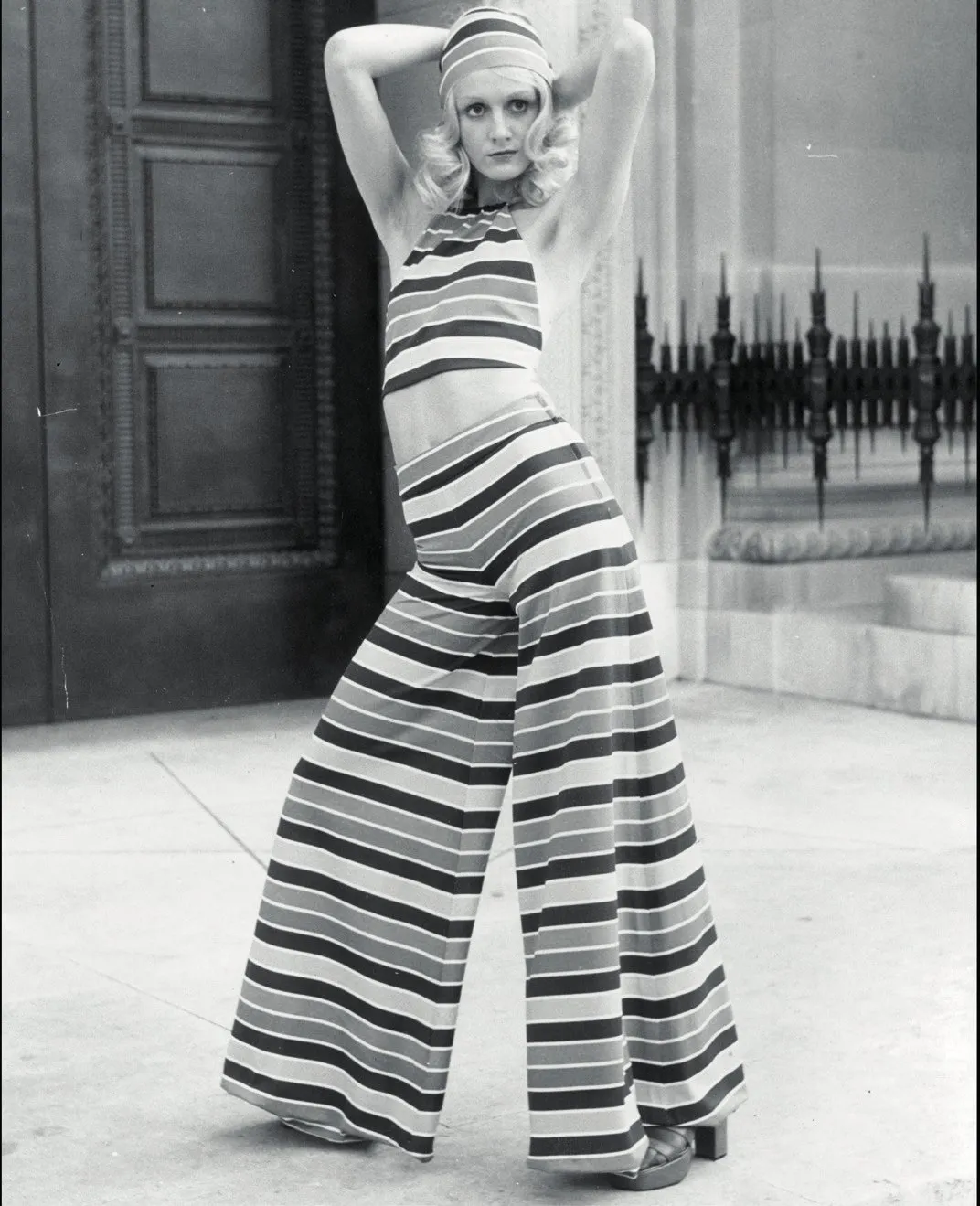




It’s difficult to imagine a world and a wardrobe without trousers. But there was a time when wearing this modest silhouette, messed with way too many power equations and could even have you arrested. Here’s a look at 3 such fashion staples of today that were once considered severely rebellious.
Juhi Dua
 L’Officiel India DigitalRead L’Officiel India in the digital libraryEvery issue and every cover story, on TCG Media.Read now
Jeans: High on rebellion
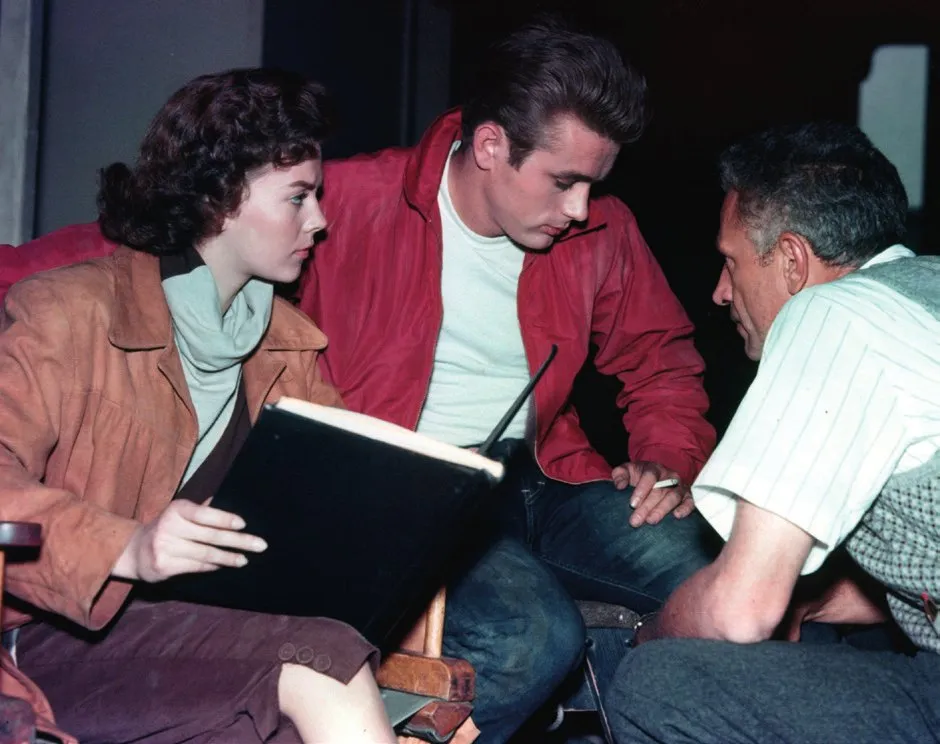
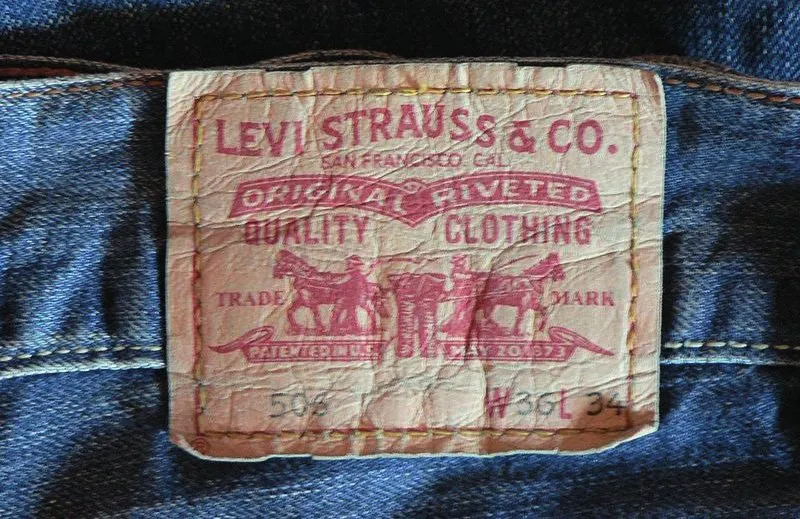
Denim on denim may be the hottest trend right now, with all the fashionistas and designers vouching for it, and a pair of jeans may have now found its place in many a boardrooms too, but once upon a time it was unimaginable to be seen in this piece of garment. Way back in 1870s, only workers wore jeans. This beautifully rugged story started in 1873, when shopkeeper Levi Strauss, along with tailor Jacob Davis got a patent for farmer pants—essentially, jeans strengthened with metal rivet. The idea was to design something sturdy that would not get damaged easily. The very first type of Levi jeans were the practical dungarees, created as serious workers wear. And then came the twist in 1955, when the adorable actor James Dean wore jeans in his movie ‘Rebel without a Cause’. The movie became a hit and so did jeans, especially amongst the cowboy clan and young American rebels. From there on, its popularity rose and it gradually became an American classic, eventually soaring higher to become a worldwide casual favourite, entering wardrobes across the globes.
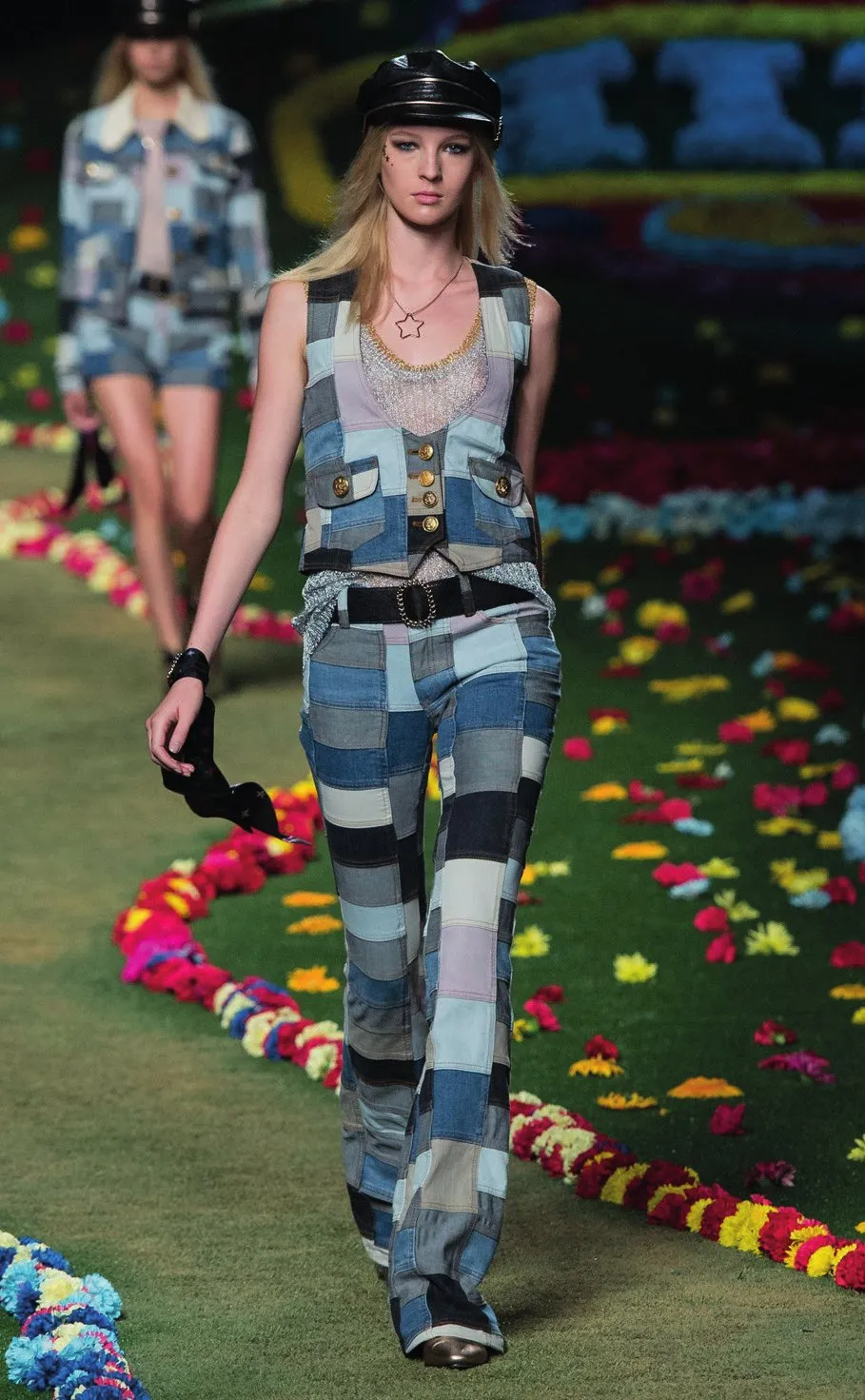
This year, again, is especially iconic for jeans. The spring 2015 shows threw up the myriad moods a jeans could emanate—from ripped and shredded to dark-wash, low-slung to high-waisted, flared, cropped, or even patched. We just couldn’t get enough of Dolce & Gabbana bedazzled jeans and comfy jumpsuits of Chloé. There’s suddenly just too much to choose from.
Do it like an on-trend rebel
What: Wider legs and shorter hems
Designer Frida Giannini did cropped wide-leg jeans for Gucci for the SS15 show. She felt so strongly about the style that she even walked the ramp after the show, in a wide, short-hemmed pair. The most happening L.A. denim brand Frame also whole-heartedly vouched for it. If that won’t wash it and rip it for you, what will!
Mini Skirts: Fashion’s most daring hemline
While today, the hemlines rise and fall based on the whims of designers, in the earlier days it was the political scenario that controlled the length of the cloth that covered our legs. Although, archeologists have recently unearthed ancient figurines beautifully dressed in miniskirts, high in the mountains in some of Europe’s oldest villages—dating between 5400-4700 B.C, proving that miniskirts did exist in the earliest of civilizations, the bold silhouette was considered rather scandalous till the 1960s.
In the mid-1800s, women in Europe and America were generally believed to be the weaker sex. Politics, business, and physical activity were considered dangerous for them and they were securely bound in ridiculously tight corsets with long, restrictive hemlines. After World War I, development in women’s liberation and post-war escapism led to the advent of the flapper style, with hemlines blissfully flirting with a woman’s knee. After dropping back to the boring calf length during the early 1930s, hemlines rose again to just below the knee during World War II, thanks to the mandatory fabric rationing during the war. But after the restrictions on cloth ended with the end of war, women were ready for femininity again. We were as wrapped up as we could possibly be—with the fashion industry pushing for the ‘New Look’ epitomized by Christian Dior—a more mature look with exaggerated hourglass figure and lavishly long hemlines. However, by the 1960s, youngsters, who until now were expected to dress up like a clone of their mothers, began to gain a voice and question the rules of hypocritical bourgeois morality. They craved for fashion that personified their own political views—not their parents’ and, more importantly, matched their youthful spirit.
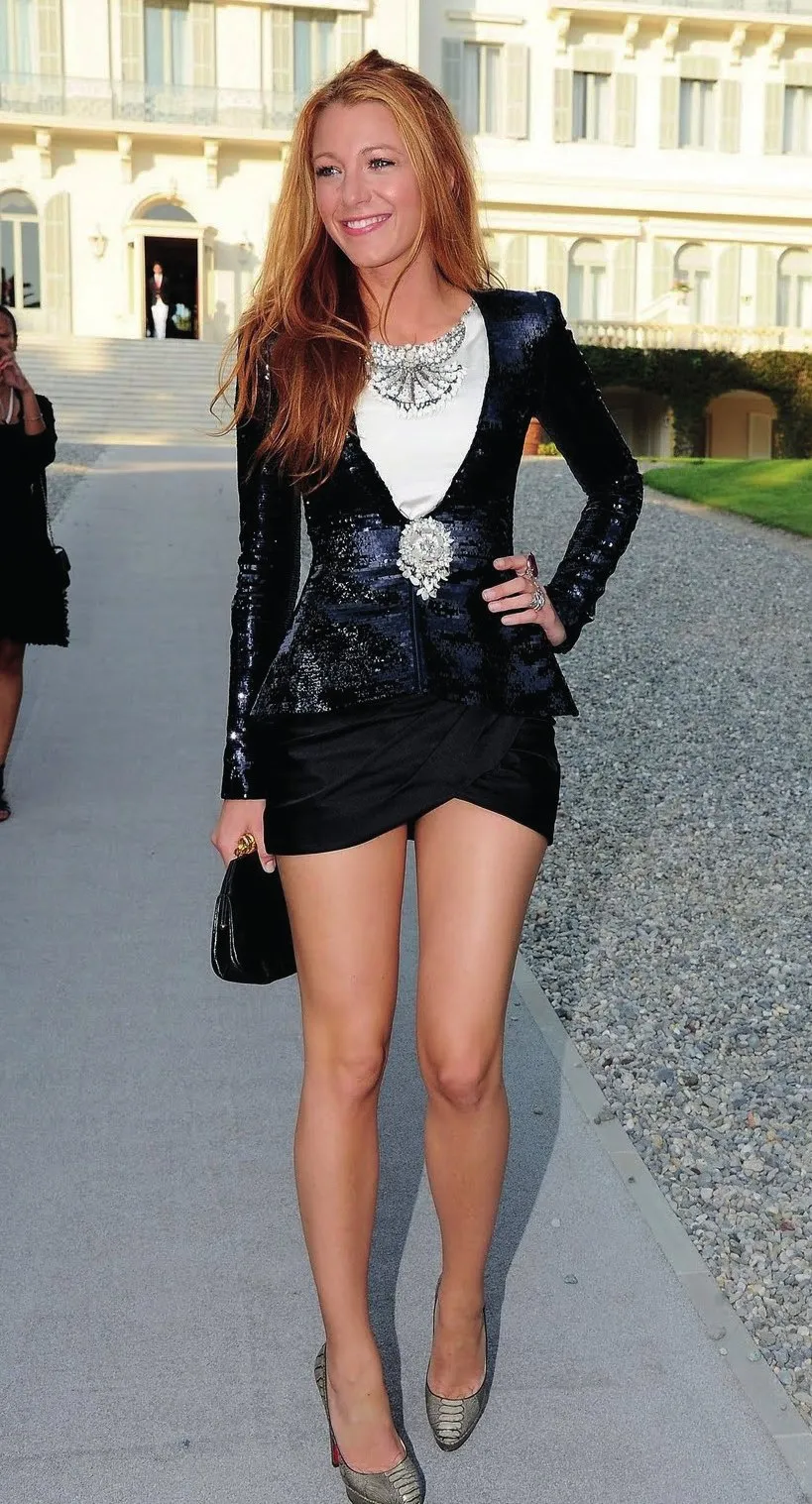
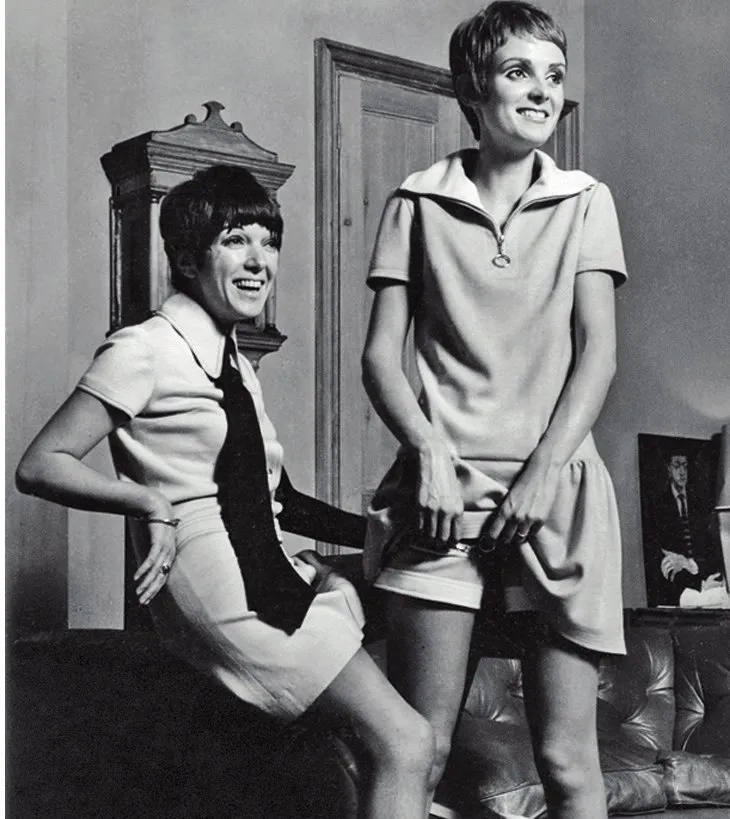
This changed the whole fashion structure. Upstart designers and boutiques began to cater to the liberated youth who were now rebelling and buying what they liked. And that’s when Mary Quant, a newcomer British designer, who had opened a now iconic boutique called Bazaar in 1955 on King’s Road in London’s Chelsea neighborhood, came into the picture. She designed clothes for the moment and for the youth of the moment, completely disregarding the fashion ideals of established Paris fashion houses. Inspired by street fashion, Quant shockingly raised the hemline of her skirts in 1964 to many inches above the knee, giving birth to the iconic miniskirt. She named the skirt after her favourite car, the Mini.
Another designer in France—André Courrèges also played a role in presenting the mini to the world, experimenting with the hemlines as early as 1961. His showcase of more polished, futuristic, space-age minimalistic dresses which outrageously fell above the knee in late 1964, received a lot of attention. Growing awareness of feminism boosted miniskirt’s popularisation, and soon, it became a tool for expressing the 1960s feminism.
Pushed on further by Quant’s irrepressible spirit in the heart of swinging London, Courrèges’ influential standing in the more sophisticated Parisian fashion world, and the mini’s easy to wash and maintain demeanour that busy young girls loved, the miniskirt become a major international trend that is still raging on today.
In 1966, the British Society for the Preservation of the Miniskirt was established to protest against the return of longer hemlines at the Christian Dior fashion show. The band of demonstrators carried banners proclaiming ‘Miniskirts Forever’ and ‘Support the Mini’.
Do it like an on-trend rebel
What: Leather mini-skirts
While we have totally fallen for the wide pleated minis, the leather minis are the ones that rocked the summer runways, this year. Accessorised quite wildly with go-go boots and funky prints, the trend with a vintage appeal, took us back to seventies superfuture.
Trousers: Panting for power
The police chief of Paris passed a decree in 1799, that any woman wishing to dress like a man and wear pants, must seek special approval from the police. This basically meant that a woman needed a medical justification for exposing her legs. This would surely lead to a procession in today’s India, but back then in France, the law stemmed from the turmoil of French revolution and masses had no choice but to accept it. Trousers then not only stood for some sort of sexual symbol of power, as trousers were the common uniform of the common man, they also symbolised the rise of the working class against the bourgeoisie. By banning women from wearing trousers, they prohibited them from the rank and file of the revolution—keeping them out of the way and in their place.
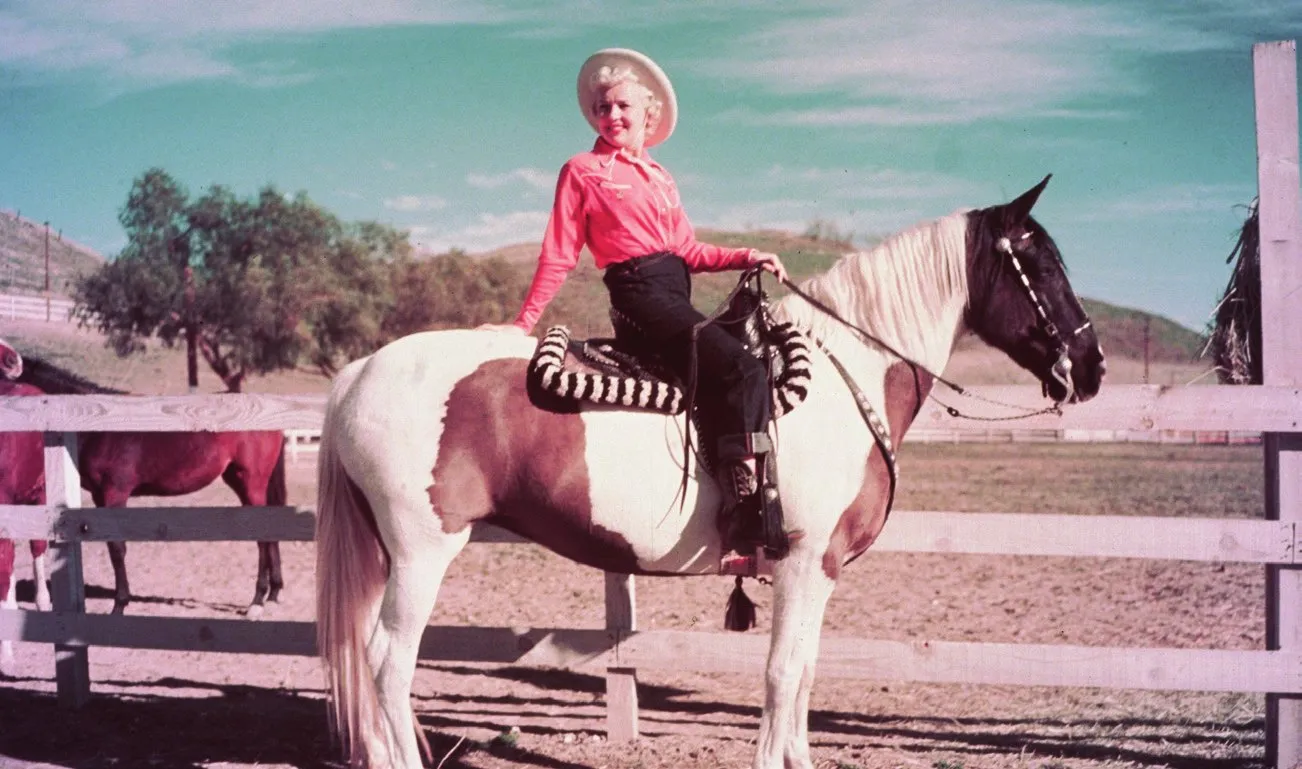
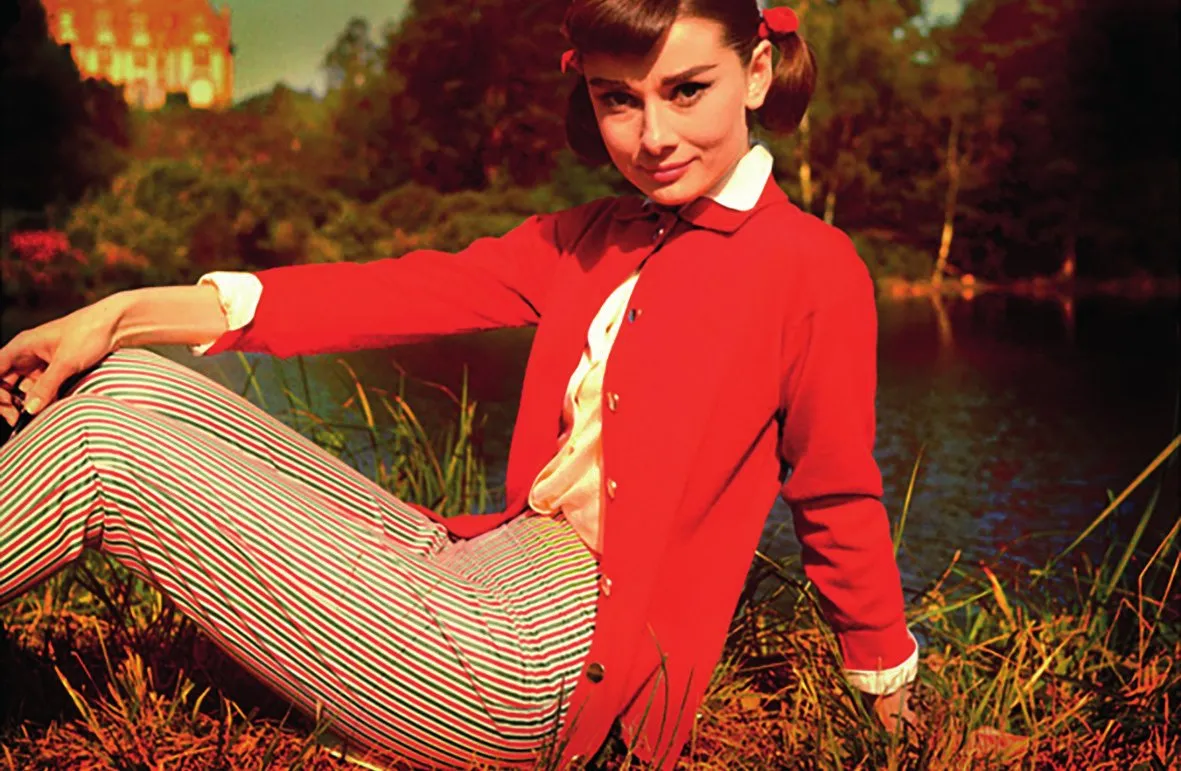
During World War 1, aviatrices and other working women often wore their husbands' altered trousers as they had to take on jobs previously meant for men. And some defiant women like actresses Marlene Dietrich and Katharine Hepburn, gloriously wore trousers well beyond work, in the 1920s and 30s, and got themselves proudly photographed, too.
In Britain during the World War 2, women involved in industrial work in war services, wore trousers regularly. Due to the rationing of clothing, many women working in other domains too, took to wearing their husbands' civilian clothes to work—which essentially consisted of trousers with shirts, while their husbands were away in the armed forces. While this meant that women adhered to wearing work-suitable clothes, this also allowed them to keep their clothing allowance for other uses. As the men's clothes wore out, replacements were needed, so by the summer of 1944, the sales of women's trousers reportedly rose to five times than in the previous year. Trousers became common casual wear for gardening, biking, and other leisure pursuits. In fact, by 1950s there were many women who were routinely wearing jeans and trousers, but they were labeled as being rebellious and feminist. It was only in 1960s when designer pants became really acceptable and fashionable among ordinary women and by 1970s it had become de rigueur for women to wear both jeans and trousers. In the 1980s, the floral flared trousers transformed the trousers into a delicious trend that almost every woman fell for.
Do it like an on-trend rebel
What: Trouser suit
The piece de resistance that deserves to adorn you right now is the trouser suit. It effortlessly blends in traditional thought of power dressing with whimsical touches like the glittering pinstripes at Chanel, flared pants accentuated by cowbell belt at Céline or the cropped and flared anti-fit trousers, played up with a subtle belt at Salvatore Ferragamo. It’s time to walk the walk girl!
Spotted a mistake, or your photo used without permission? Report a correction