The Illuminati
Three young style aficionados—Sanya Dhir, Sama Ali and Nishka Lulla—navigate the design matrix with generous support from their illustrious families, emerging as the promising torchbearers of the future.
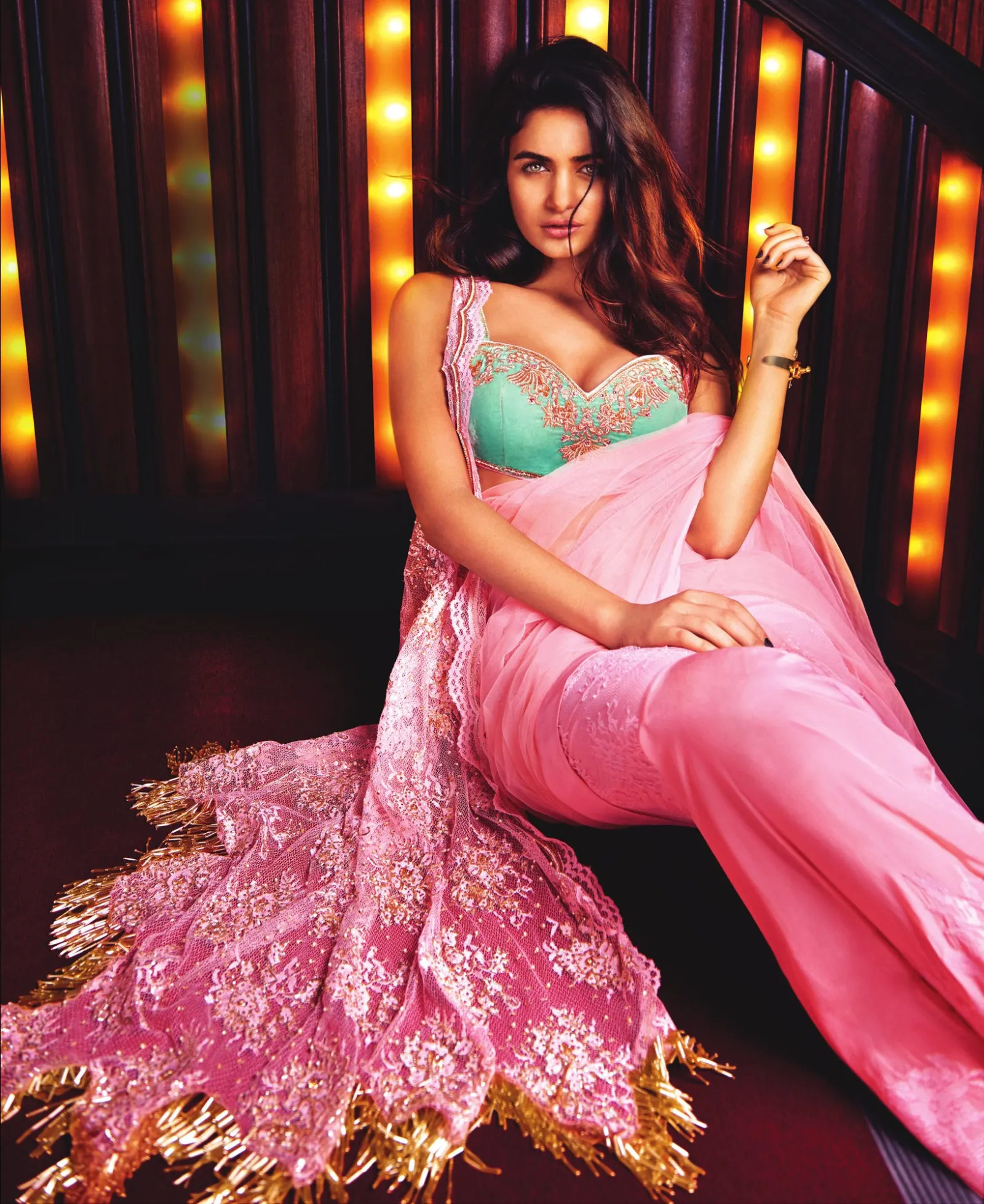




Sanya Dhir is the Gen Next entrepreneur who tapped the cinema-lover market, moving away from a 55-year-old family business to build an empire of her own with Diva’ni It was a rainy day and she felt as if her life was over. Tired of dealing with her father’s way of running a successful 55-year-old sari business, Sanya Dhir had switched off all the lights in her little office at the Karol Bagh showroom of KBSH (Karol Bagh Saree House). Just then the phone rang. “Sanya, I am calling from Yash Raj Films... Aditya Chopra would like to speak with you,” said the voice on the other side. Dhir replied, “Yes, and I am Amitabh Bachchan.” She hung up the phone, thinking it is a prank call. Little did she know—it was providence, not a prank. Ten months later, Diva’ni, her cinema-inspired line was born and today it has two showrooms, one in New Delhi and another in Mumbai.

Dhir, the second generation of designers, understood that a degree in retail management from the London College of Fashion and Pearl Academy of Fashion, would teach her the basics. But running a business was a totally different ball game. She discovered subsequently how frustrating it was to deal with a system that didn’t run on hardcore market analysis. “I was baffled by how disorganized the fashion business really is,” says Dhir, “and even though my dad found me too bookish, I felt that was the way to run things smoothly.”
 L’Officiel India DigitalRead L’Officiel India in the digital libraryEvery issue and every cover story, on TCG Media.Read now
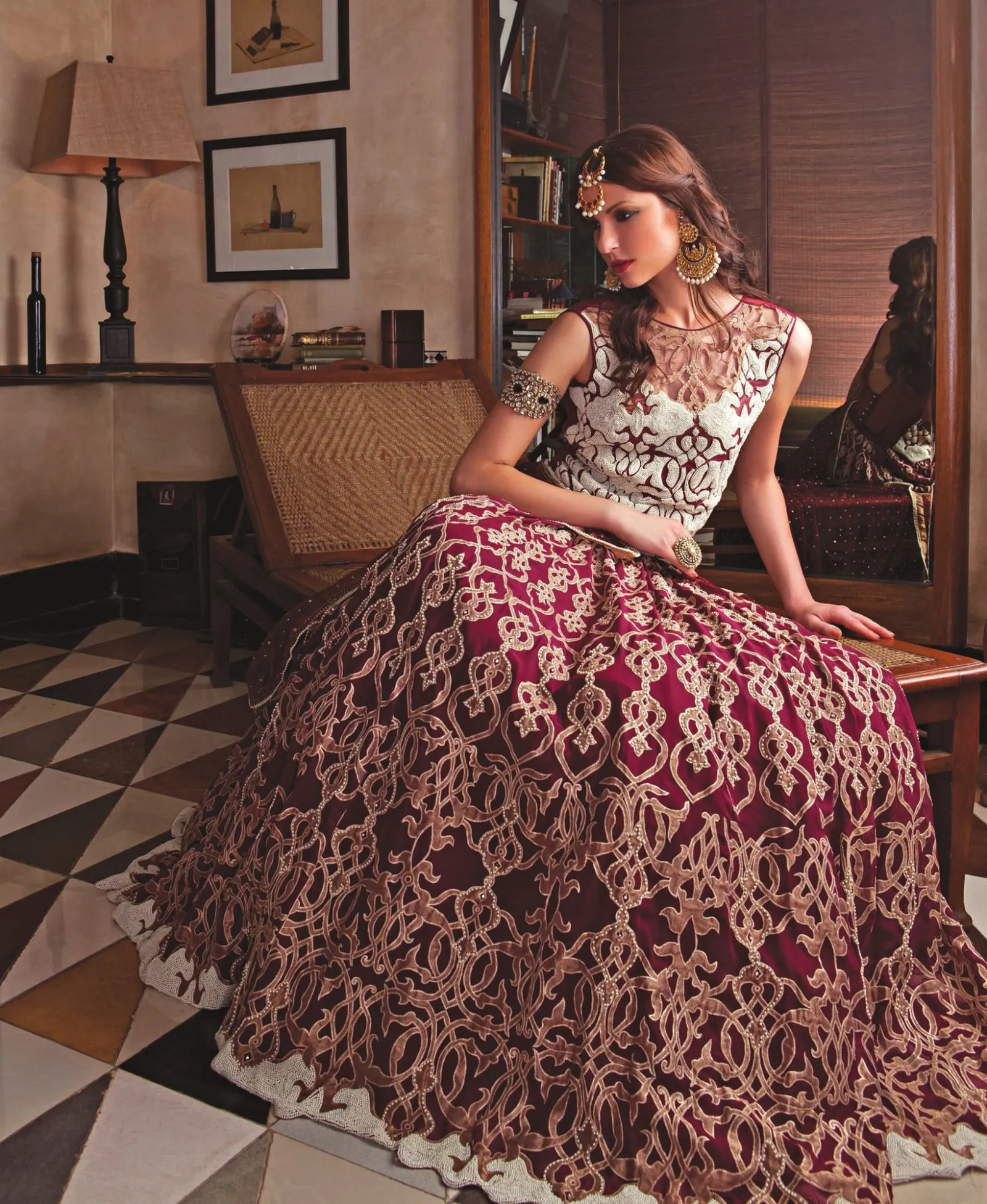
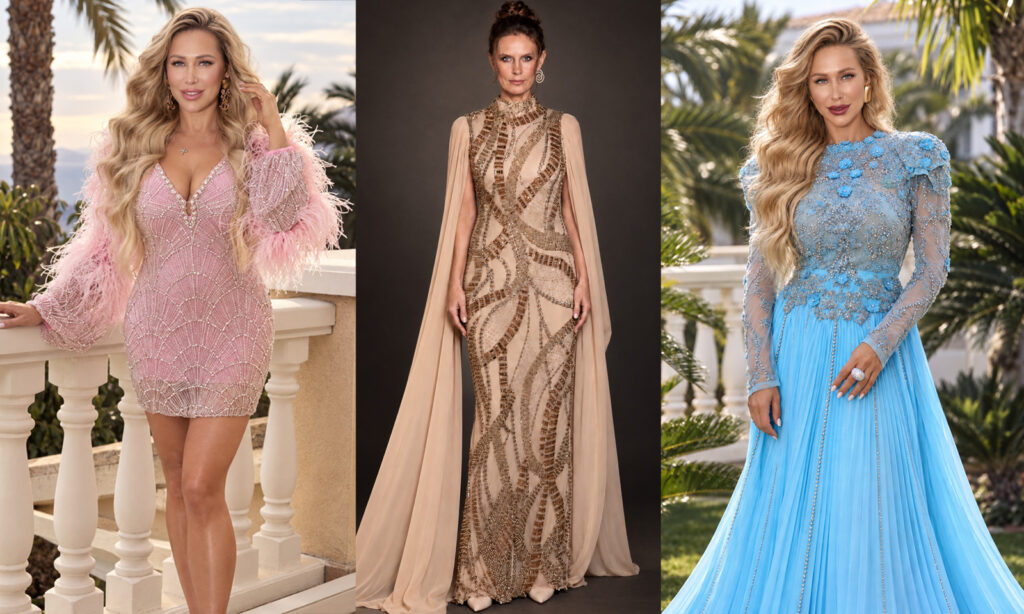
The Cinematic Reach Realising that KBSH needed an online presence, in 2009, at the age of 27, Dhir launched the e-retail store. And that’s what won her the YRF contract as it was soon noticed, even though in between talks, the legendary filmmaker Yash Raj passed away, leaving things in a limbo. Today his wife Pamela Chopra and daughter-in-law Rani Mukherjee do give their suggestions, but the team of seven designers pull off almost five new lines a year—from pre-fall, spring, summer to festive and autumn-winter. “Aditya is well-read and really bright,” says Dhir. “Even though he is reticent, he knows exactly what will work.” He told her that the film experience only lasts for photo courtesy Sanya Dhir three hours, but he wanted something to carry on that fantastical feeling and that’s how the idea of the collaboration came about. “My dad thought now my daughter wants to be an actor and will disappear into the world of movies, but that didn’t happen, even though I have done theatre for almost 20 years of my life and love it,” she giggles. The Film i Foresight Diva’ni believes in using the purest fabrics and embroideries, so you will not find zardozi substituted for aari ka kaam, which is cheaper to do. They also will give you the finest real gold, silver and platinum zari saris, which are especially woven at a place close to Coimbatore, where they source their Kan jeeva rams from. These are bought by only a discerning few as they like the certification of exactly how much precious metal has been used. Benaras, Lucknow, Jaipur and Kolkata are other centres they work with and look after the clusters they have adopted. “Diva’ni is not all about giving you a filmi look alone,” says Dhir. “What most customers fail to understand is that it is a play on being a diva. So you can get a lehenga for even `50,000 and it can go up to `15 lakhs, depending on your budget and for us both customers are equally dear, so we don’t treat them differently.” Dhir is not one to rest on her laurels. She hopes to take the brand forward by doing personal and professional wardrobes for YRF’s heroines. She started with two films—Dawat-e-Ishq and Kill Dil, and is also hoping to add accessories and menswear to her repertoire soon. “We noticed that grooms-to-be would come and sit around waiting for their brides to select a wedding ensemble,” reveals Dhir. “They would sometimes request us to make their sherwani, too, and we would oblige—now we will be doing it officially and give them a wider choice.”

“Diva’ni is not all about giving you a filmi look alone. What most customers fail to understand is that it is a play on being a diva.” Just ten months old and with over 80 brides catered to, Dhir has finally won appreciation from her father, who of course, still controls her purse strings. “I am a bit aggressive with strategy while he is calmer and makes measured decisions, so we are a good balance,” she confesses. “I have also simmered down— earlier I had a comment on everybody, now when I don’t like something I have learnt to keep silent as it helps maintain relationships.”
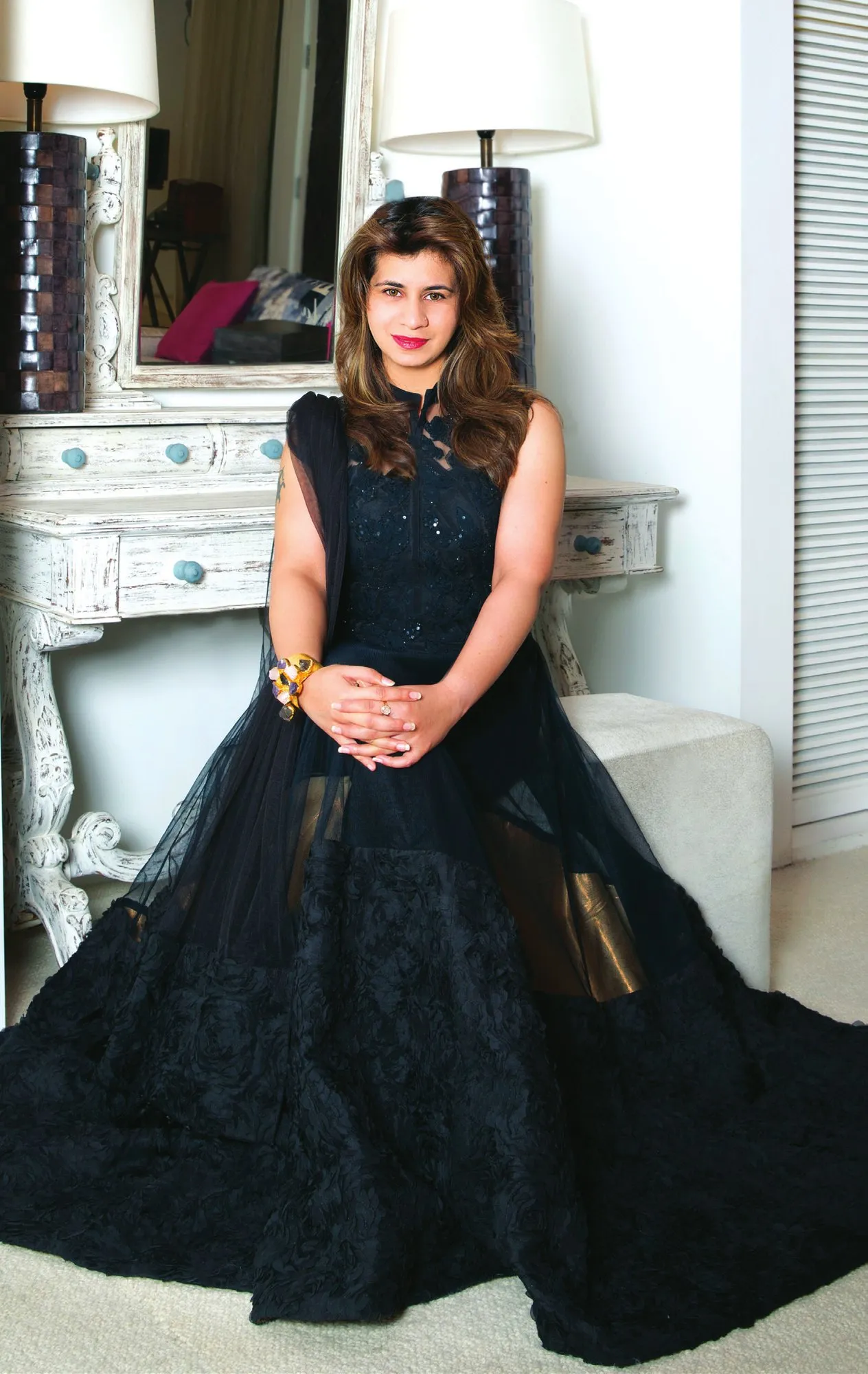
Even though it is toughest to work with family, Dhir can today look beyond disagreements and leave the unpleasantness behind after an exhausting 10-hour workday. “I learnt the biggest lesson from Yash uncle, who would treat YRF as his family and would talk to everybody from the gardener to the peon, establishing an unbeatable bond,” says Dhir. “I, too, want to do the same with my company and make connections for a lifetime,” she concludes. With creativity in her genes, Sama Ali hopes to take the 25-year-old brand Kotwara forward with e-retail and other newer offerings for a younger audience. When you have a father who is the director of classics like Umrao Jaan, and an architect-turned-designer mother, you are bound to have been born with the creative spoon. Sama Ali, 23, the daughter of Meera and Muzaffar Ali, is no different. Growing up in Lucknow and playing in the palace grounds of Kotwara, Sama came back to Delhi, a city that she is hard to adjust to, at the age of eight. “I changed a lot of schools, from studying at Vasant Valley to finally finishing my education from Sanskriti School,” she tells us. “I was interested in fashion so the London College of Fashion seemed like a good idea. My four years in England were indeed fantastic.” Sama, who doodled in her father's sketchbooks as a kid, was groomed from a young age to take over the business as her older brothers from her father’s first marriage—Murad and Shaad, didn’t show any interest in it.

A noble concept “My parents built their label Kotwara over the last 25 years. It was started as a non-profit initiative to give employment to villagers, with the motto ‘Dwar pe rozi’ (food on your doorstep). They have retained the essence of zardosi and chikankari without falling prey to popular culture and its fleeting trends. I hope to carry forward the legacy with style that’s subdued yet elegant.” Kotwara operates through letting mainly women work at their own pace, many of whose kids Sama grew up with, raised by an indulgent ‘amma’ who would feed her the most amazing biryani and pulao. “I love to cook and eat, as you can see,” she giggles.

Sama is adept at making informed choices while designing. What the London College of Fashion taught her was appreciation for Second Wave research, thinking through the designs and learning to make collections which actually sell. “At the London College of Fashion, designing clothes was a small part, running a business was what we were taught and it has greatly helped me to start the e-retail operations for my company and also launch it on the social networking platform,” says Sama.
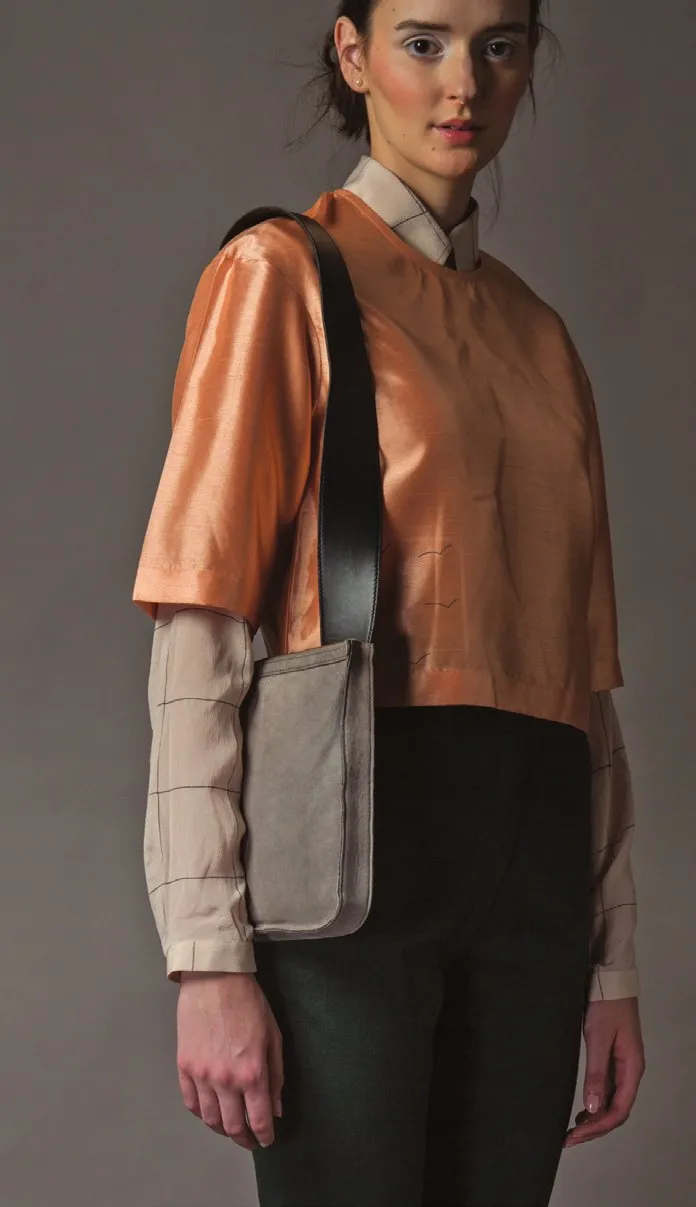
Customised for the ‘ online ’ generation As a young person, Ali understands the Gen Next’s fixation with the ‘now’ syndrome. So she hopes to develop ensembles which sell faster, and these additions will roll out by the end of the year. “Kotwara is known for its intricate workmanship, proportion and keen eye for detail,” she adds. “I will never compromise on that, but I would like to make our label attractive to the younger audience.” Sama plans to apply Kotwara’s ideology to Western wear, and she has been boosted by the success of four dresses she had designed, with the prodding of her mother, photo courtesy Sama Ali PHOTOs: parfums christian dior “Kotwara is known for its intricate workmanship, proportion and keen eye for detail. I will never compromise on that, but I would like to make our label attractive to the younger audience.”
for India Couture Week, a few years back. “No one wears Indian clothes when they are going to work, so I am working on adding more products in our offerings for women who want to adhere to Kotwara’s philosophy but in a more modern way,” she says, “though our prêt chikankari kurt a chu rid a rs with lighter embroideries still remain extremely popular,” she adds. Being raised by a father whose impressive accomplishments include films, poetry and designing, it mustn’t have been easy for Ali. And she does admit that besides being overprotective, he has set the bar quite high. “My dad is an artist. He doesn’t care about money. And my mother, Meera Saluja, is a Punjabi who was raised in a middle-class family. She has tried to imbibe the same values in me, of saying no to excess and keeping true to austerity. My two older brothers are very loving and we all hang out together as a family. Shaad even advised me on what I could do when I had wanted to be an actor at some point in my life, but quickly changed my mind,” she smiles. Looking at her beautiful clothes, and cherishing the crafts and the craftsmanship that she has given a new boost of life to, we are only happy she decided to switch to design. We tell her that and she smiles her radiant smile.
The gifted Daughter Nishka Lulla is more than just a star designer’s daughter. She is astute, translates her love for travel into design marvels articulately, and knows that being versatile is the name of the game.
Being the daughter of legendary designer Neeta Lulla, Nishka had big shoes to fill in. But rather than joining a comfortable set-up that has been expanding for the last 25 years, Nishka launched her own label, in 2009, after graduating from SNDT (Shreemati Nathibai Damodar Thackersey), Mumbai.
Nishka wanted to learn the dynamics of the industry, so she interned with Mukta Arts—Subhash Ghai's production house— for a year to know a bit more about film costumes, as she was still finding her own personal style. When she did, there was no looking back. She launched Nisshk in 2009, which has Indo-Western offerings, with a strong focus on textiles and hand-crafted elements, from Chanderis to structured ikats. But her real and true love is Nishka Lulla, a Western prêt label for bohemian, young, vibrant, travel-lovin’ girls who would like subtle motifs and understated embellishments. She admits that at 21, running her own show was tough, but she swam with the sharks and survived, faced criticism and is not afraid to say that it was because she learnt the biggest lesson—“Do what you can, with conviction”. She elaborates, “My mom always taught me to be honest and sincere in whatever I do and that kind of stayed on with me. She always told me to find my personal style, which others would love and want a piece of, and that’s just what I did,” she grins. Liberating Style Nishka is from the generation of designers who want their customers to mix and match and have the freedom to create their own look. This makes her label versatile, without falling prey to trends or catwalk predictions. “Women know what they want, and above all, its comfort that they want and that’s what I want to give them.” So from dressing 16-year-olds going all the way up to 50 and more, Nishka offers her all-time favourites—cropped tops, pyajama pants, bikini tops to tunics and shirts, hoping that she has lived up to people’s expectations of being a successful designer’s daughter. That’s why younger actresses from Genelia D’Souza, Sonam Kapoor, Nimrit Kaur to Richa Chaddha have become ardent fans of Nishka’s ensembles. “Everybody in the industry thought as I am Neeta’s kid, I have no choice, but to succeed. I am glad I metaphorically tripped many times before finding my identity,” she confesses.
Reaching Out The next step for her is e-commerce, so her ‘under construction’ website Nisshk.com will be up by the year end, hoping to make her ideology available for her admirers at a click. “My signature remains pastels with doodle prints and they have brought me a lot of accolades, so I hope to continue with them,” she confides. Interestingly, Nishka hasn’t restricted herself to just fashion—she is also designing bed linen for Portico and will eventually branch out to other accessories as well. “I want to be a lifestyle brand and not just limit myself to fashion, as new opportunities interest me,” she smiles.
Being a travel-lover, she gets drawn to many Indian treasures such as South’s Kan jeeva rams and Gujarat’s Kutchi embroideries. “I admire the diversity India is known for,” she concludes, “and I don’t need to travel to exotic destinations to find inspiration. Our country has so much to offer on all levels.”
“I want to be a lifestyle brand and not just limit myself to fashion, as new opportunities interest me.”
Spotted a mistake, or your photo used without permission? Report a correction