
The Art of Atmosphere
From moody blues and expressive drama to calming neutrals and architectural timber, interiors are shifting toward atmosphere-led design. These spaces prioritise feeling over form, blending depth, warmth, and storytelling to create homes that feel immersive, intentional, and deeply personal.
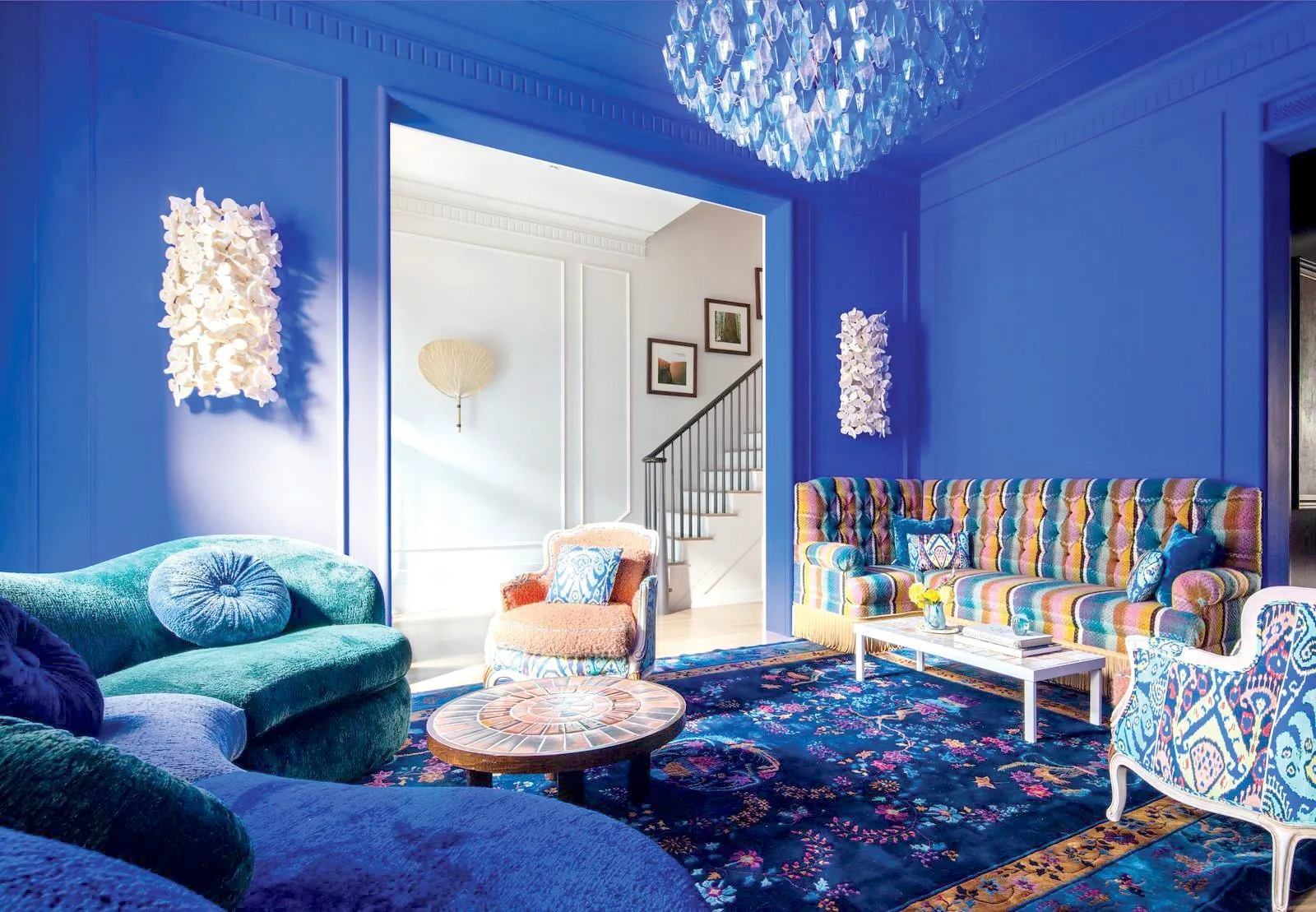




Interiors are moving beyond mere function, embracing mood, depth, and story. Spaces are designed to feel immersive—layered with rich fabrics, dramatic lighting, and tonal colour palettes that invite you to linger. Soft neutrals offer calm and balance, while deep blues and architectural timber add warmth and character. Each surface, texture, and hue works together to create rooms that feel lived-in yet refined, intimate yet expressive. In 2026, homes are no longer just settings—they are experiences. Thoughtful, layered, and emotive, interiors reflect personality and purpose, inviting comfort, inspiration, and a sense of quiet luxury at every turn.
1 Rich Dark Blues Making a Comeback
In 2026, deep blues emerge as a new class of neutral, refined, grounding, and effortlessly versatile. Shades like navy, ink, and midnight replace stark blacks and cool greys, bringing depth without heaviness. Used across walls, cabinetry, and upholstery, these tones create interiors that feel intimate, calm, and thoughtfully composed.
 L’Officiel India DigitalRead L’Officiel India in the digital libraryEvery issue and every cover story, on TCG Media.Read now
When paired with warm woods and soft, ambient lighting, deep blues reveal subtle warmth and dimension. Natural textures help balance their richness, ensuring spaces feel inviting rather than dramatic. This palette supports both contemporary and classic interiors, offering a timeless foundation that adapts easily to changing accents.
Rich hues, soft neutrals, and timber create immersive, atmospheric interiors that balance warmth, depth, and character.
How to bring this style home:
Use deep blue on larger surfaces to establish a strong, soothing base.
Balance with warm wood finishes and tactile materials.
Layer soft lighting to enhance depth and mood.
Keep surrounding colors neutral for visual harmony.
The result is an interior that feels composed, comforting, and quietly sophisticated.
2 Theatrical Interiors Focused on Drama and Escapism
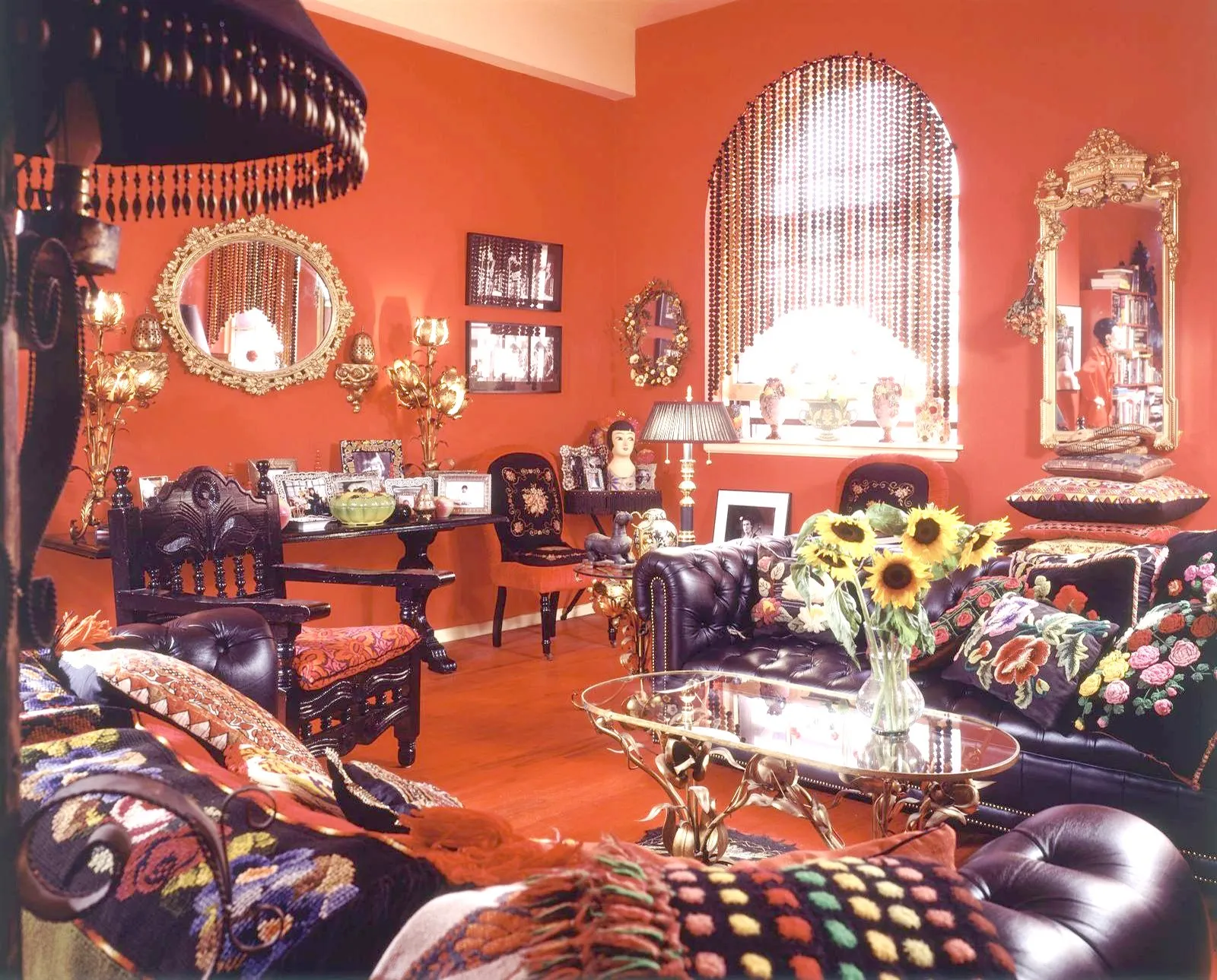
Interiors are becoming more theatrical, embracing a sense of fantasy and emotional depth. Rather than focusing on restraint, spaces are designed to feel immersive, layered, and expressive. Rich fabrics, dramatic lighting, and bold colour palettes work together to create atmosphere, allowing rooms to unfold like visual narratives rather than static settings.
This shift moves away from strict minimalism and toward mood-driven design. Plush textures, sculptural furniture, and statement lighting add a sense of drama, while layered hues build richness and intrigue. Light and shadow play a crucial role, enhancing the overall experience and drawing attention to form and detail.
How to bring this style home:
Introduce tactile, luxurious fabrics for depth and comfort.
Use layered lighting to create contrast and visual drama.
Experiment with expressive colour combinations.
Choose statement pieces that add character and narrative.
The result is a space that feels imaginative, immersive, and rich with personality.
3 Quieter Interiors with Calming Neutrals and Understated Design
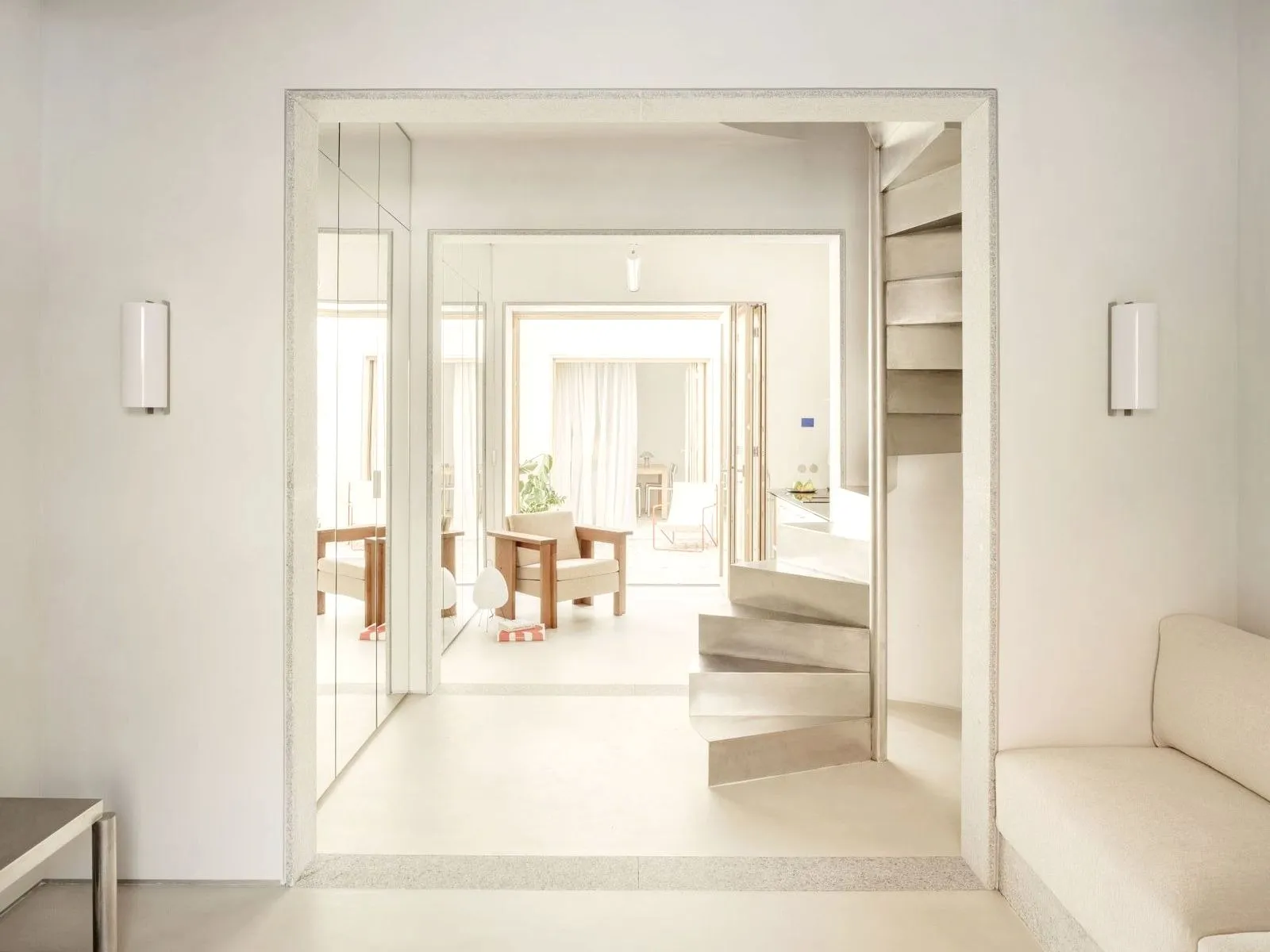
Soft, pared-back interiors continue to feel relevant, shaped by a desire for calm and visual clarity. Gentle neutrals and tonal layering form the foundation, allowing spaces to breathe. Whites appear warmer and more expressive, influenced by Pantone’s Cloud Dancer, bringing softness without feeling flat or clinical.
This palette favours subtle transitions over sharp contrast. Creamy whites, pale sands, and muted stone tones blend seamlessly, creating rooms that feel restful and cohesive. Light plays an essential role, enhancing the warmth of these hues and reinforcing a sense of balance and ease.
How to bring this style home:
Choose warm white shades for walls and ceilings.
Layer similar tones to build depth quietly.
Add natural materials for softness and texture.
Keep styling minimal and intentional.
The result is an interior that feels serene, comforting, and quietly refined.
4 Wood Panelling and Architectural Wood Surfaces Returning
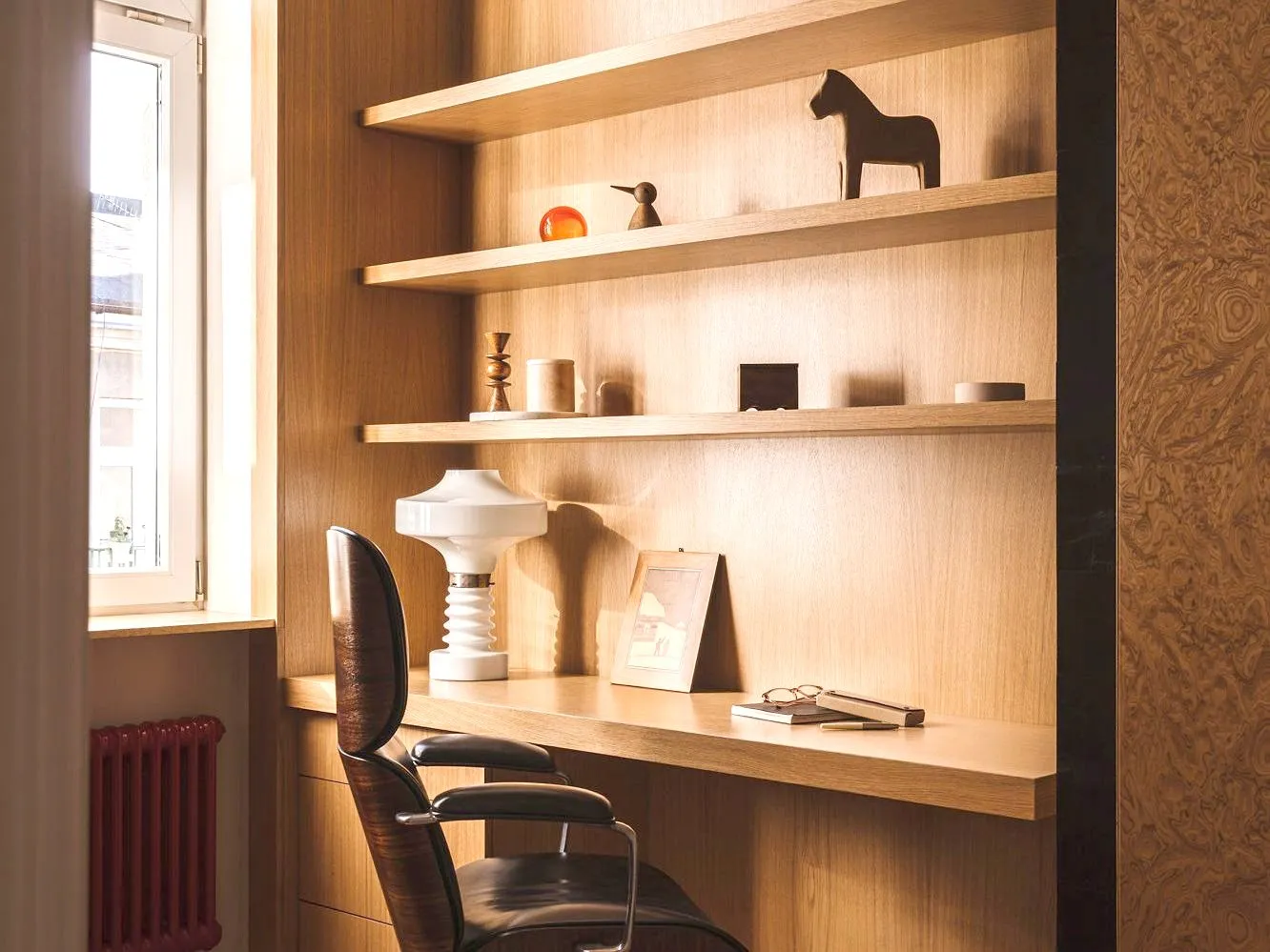
Wood is once again taking on a leading architectural role, moving beyond surface finishes to shape entire interiors. Appearing as wall panelling, ceilings, and integrated storage, timber brings warmth, structure, and continuity to spaces. Rather than being heavily treated, wood is often left in a more natural state, allowing the grain and texture to remain visible and expressive.
This approach highlights timber’s inherent versatility. Used consistently across different elements, wood creates a sense of flow, connecting rooms while adding visual depth. Light interacts gently with its surface, enhancing natural variation and reinforcing a feeling of calm and authenticity.
How to bring this style home:
Use timber paneling to add architectural interest.
Extend wood finishes across ceilings or built-in storage.
Choose minimally treated wood to showcase natural grain.
Balance with simple materials to let timber stand out.
The result is an interior that feels cohesive, warm, and timeless.
Spotted a mistake, or your photo used without permission? Report a correction












