Exclusively Inclusive
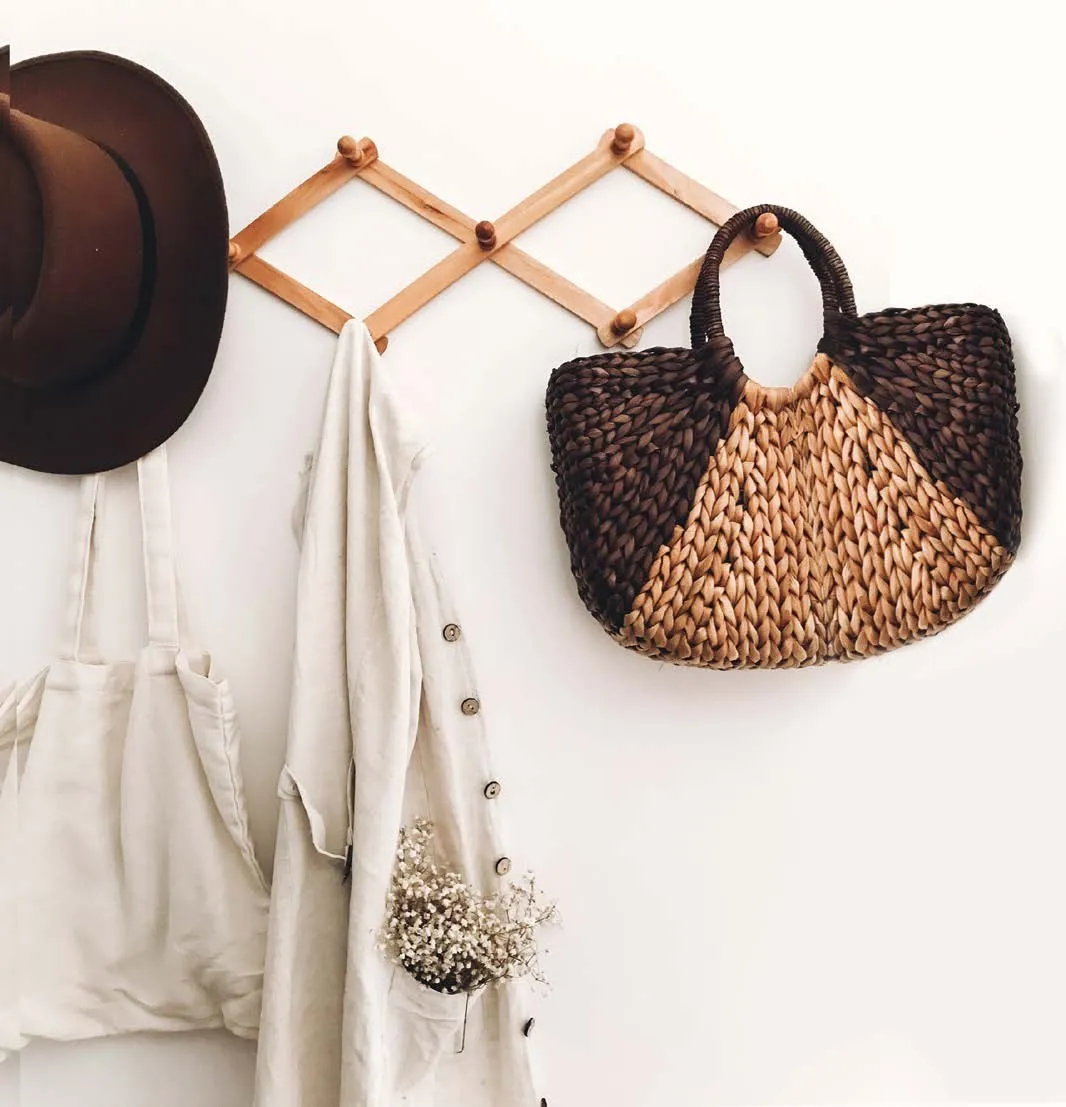




This may just be the future of luxury; sipping an organic smoothie in your yoga pants while wearing a beautiful, sustainably produced jacket.
What defines us? At the risk of over simplifying, being is a c o m b i n a t i o n of doing and having. Yet many companies would have us believe that is all rides upon what we purchase. Luxury brands herein are no exception, but with a twist, they thrive on the perception of exclusivity while portraying their all-inclusive demeanor. To put it simply, their message is: buy this product from us even though (or perhaps) it is definitely pricier than the one available elsewhere, but you will be the special one because you own something from our brand.
 L’Officiel India DigitalRead L’Officiel India in the digital libraryEvery issue and every cover story, on TCG Media.Read now
Rewind a few decades, and the main thing shoppers looked for when they bought from luxury brands was a top-notch product.
Now fast-forward to 2025, and management-consulting firm Bain & Company predicts that just as vital, if not more so, will be how much shoppers feel the brand behind the product connects with them on a cultural level, whether it has a strong point of view that aligns with their values, and how effective it is at communicating all this to them.
The dynamic reflects the shift that’s taken place in the balance of power between customers and corporations, driven largely by technology and social media. Luxury used to be defined by exclusivity, and while that’s still true, brands rely on limited quantities and high prices to keep their products desirable, it’s no longer true in the way that they have to treat their potential customers.
But luxury goods are rarely just about the product. People do want good design, craftsmanship, and high quality ingredients and materials. But they pay a premium for something more than that. Often it’s the subtle conveyance of good taste, access, and wealth. And increasingly, that high status is suggested in the language of conscious consumerism: “organic,” “sustainable,” “ethical.”
The luxury industry is waking up fast to this reality, and responding with a slew of products and services geared to what sociologist Arunuday Deo has called the “aspirational class”— those who “earnestly buy organic, carry khadi tote bags, sip on some freshly brewed ayurvedic mint tea and visit a resort in the Himalayas to rejuvenate themselves.”
“They care about discreet, inconspicuous consumption,” he says. “Like eating chicken breasts and heirloom tomatoes, wearing organic cotton shirts and TOMS shoes, and listening to the serial podcast. They use their purchasing power to hire nannies and housekeepers, to cultivate their children’s growth, and to practice yoga and pilates themselves.”
Sustainability is a growing priority for these customers, and therefore an urgent imperative for upscale labels, and one that will only become more critical as they increasingly cater to younger customers who grew up steeped in aspirational culture. Millennials and Gen Z, the generation immediately account for about 30 per cent of luxury shoppers, according to Claudia D’Arpizio, a luxury analyst and partner at Bain & Company. They’re on pace to hit 45 per cent by 2025.
For these shoppers, sustainability matters in where they spend their money, and they look for markers of social and environmental awareness from the companies they support. Many luxury brands are already catering to customers who shop based on their values. Kering, which owns Stella McCartney, and Saint Laurent, among other labels, has been a leader on sustainability in the luxury sector, increasing the share of its raw materials that are renewable and funding conservation programs.
“Our ambition is to redefine luxury to help influence and drive these positive changes,” says Marie-Claire Daveu, Kering’s chief sustainability officer and head of international institutional affairs, to an online portal. Kering emphasises that its environmental policies are good business, and they’re part of its own core values.
The new generation is willing to give liberally to luxury brands, but they are also very demanding. What’s at stake isn’t simply a product purchase, but a genuine lifestyle. Indeed, the clientèle for luxury goods has become so varied and diverse that labels are no longer free. When they approach a new consumer segment, they must take into account a multiplicity of factors such as gender equality, inclusivity and diversity, and strive to generate a genuine brand culture. This increasing demand coupled with the recognition of their buying power will undoubtedly influence not only the luxury sector, but also many industries for the better in the future.
Technology and social media, has changed the power dynamic between brands and shoppers by giving these shoppers a voice to talk back, but are also enabling brands to respond. They can speak directly to different groups in different posts and on different channels, and they can use data to tailor their marketing to the customer seeing it more than ever.
The result is that there isn’t just one formula for success. Every brand has to know who its customers are and what they want. It’s definitely important that luxury brands acknowledge that the years of one-size-fits-all communication and marketing is over.
From the September 2020 issue of L’Officiel India.
Spotted a mistake, or your photo used without permission? Report a correction