Snowwhite Her Apps
With an uproar of industrial science, is beauty only skin deep? A tint of sparkle and the age of the machine, here’s what applied science has to offer to the beauty industry.





In the past, a cosmetic splurge has always been about physical retail therapy, accompanied by sales assistants bombarding you with samples. Investment in technology by bigger parent firms, however, seems to have changed the industry entirely. Despite this digital dial, emerging companies continue to explore and carve a niche with their respective segment.
According to a recent research, the cosmetics market is expected to reach a whopping sum of $390.07 billion, globally, by 2020. Sounds like other industries have got their cue!
 L’Officiel India DigitalRead L’Officiel India in the digital libraryEvery issue and every cover story, on TCG Media.Read now
Beauty’s technical trail began with loyalty schemes, replacing data capturing cards. Here the customer information is captured at Point Of Sale (POS) tills, during the filing of a transaction. This practice can now be seen in almost every stand-alone cosmetic store. New ideas were generated, and the advent of technology took over.
The woo of technology went beyond client servicing. Devices such as the electric facial cleansers came about, allowing gentle exfoliation, leaving your skin smooth and supple. We then got our hair deep into heating devices, such as curling irons, straighteners and lots of blow drying, of course. Women will never be thankful enough for an epilator, simultaneously grasping and pulling out multiple strands of hair.
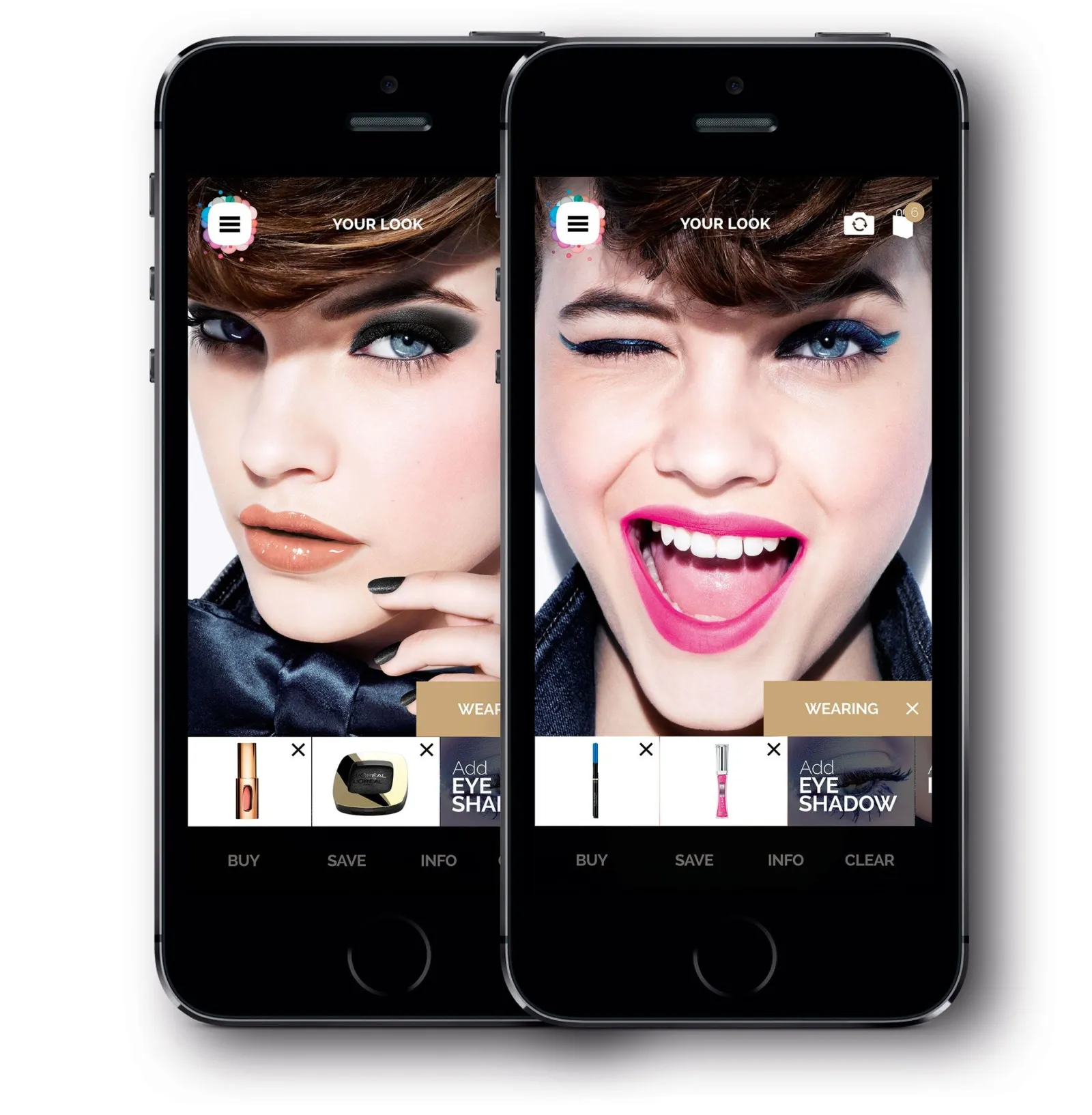
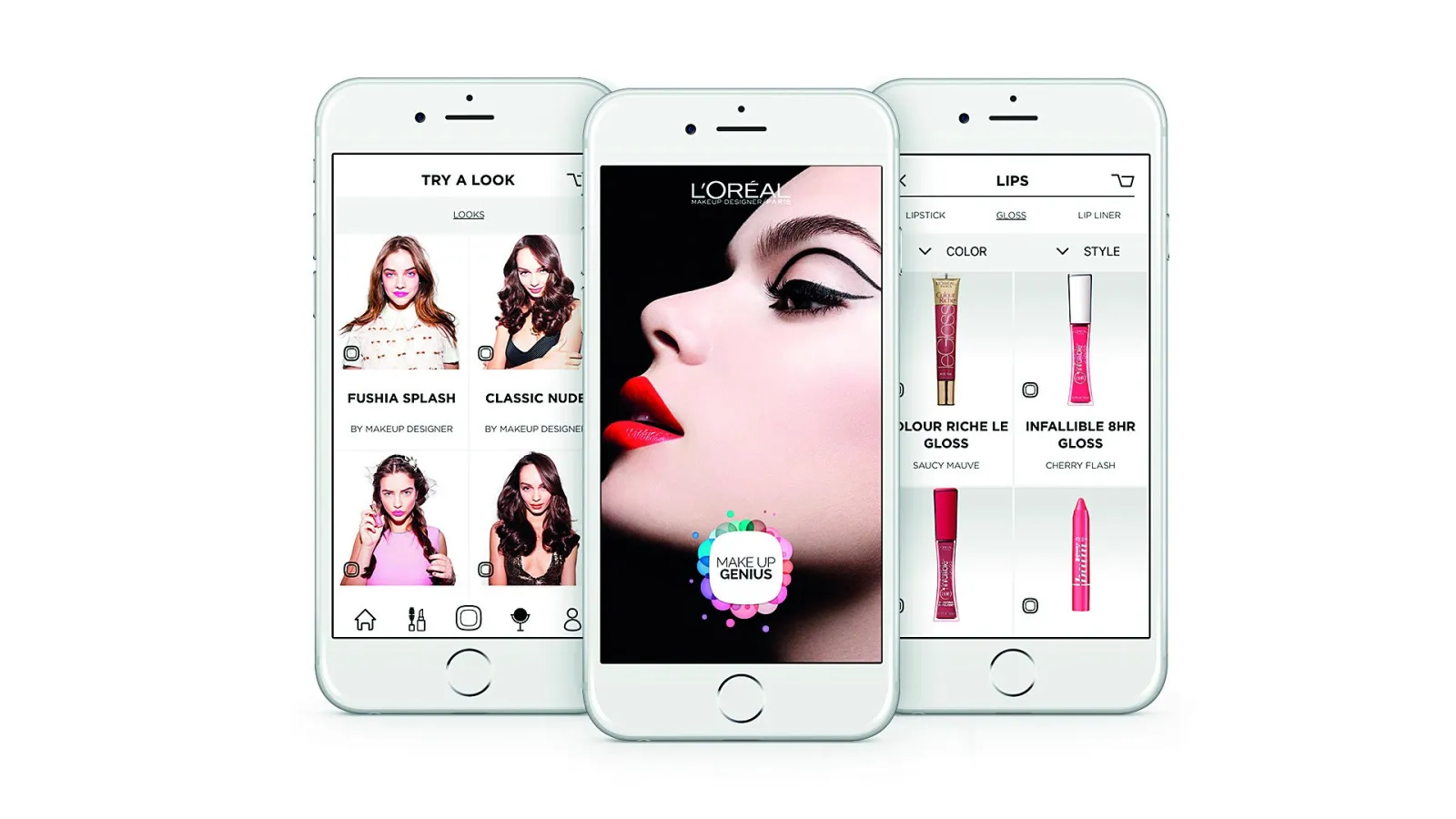
The year 2014 saw the first ever collaboration of Image Metrics with L’Oréal Paris launching their Makeup Genius app. The app uses facial mapping technology to change the front camera into a virtual mirror. The user is then enabled to virtually try on products in real time, as well as save or add a product to a cart/wishlist. The app is also doing rounds in retail stores where customers can try on products before buying the same, simply by scanning its bar code.
This use of augmented reality then circulated around the neighbourhood. New ideas were generated, and features created- a spectrum of tutorials, what matches your skin tone, identifying brands from pictures, and more! From names like Lakmé, to Glam Scout, Youcamm, Sephora… the features just kept getting better and its numbers, bigger. With such a big market to cater to, the beauty industry had to be shaken up to meet demands.
With so much to choose from, the future of beauty is all about technology. Upcoming technology endeavours include a massager determining how much soap you really require, depending on your skin tone, or give you a heads up when you’re running low on supplies. Connected devices don’t seem to be limiting your options to your skin. While the Kerastase smart hair brush measures hair quality and provides advice and insights instantly, the Daphne hair brush straightens every last strand to perfection. Devices are even taking a more flexible approach. The La Roche-Posay MY UV PATCH is a stretchable UV patch that measures UV exposure and educates on sun safety.
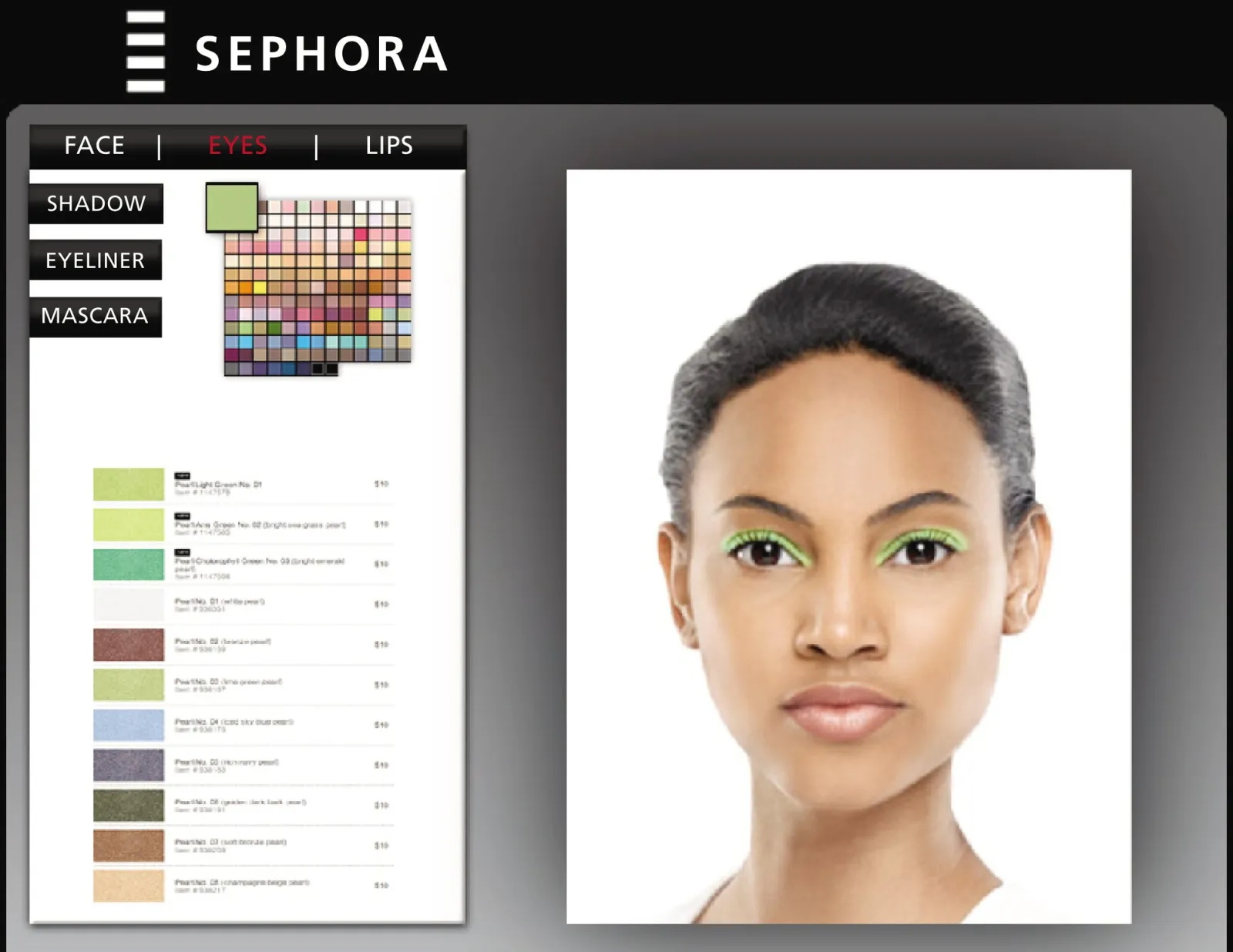
Sephora won hearts with their touch screen kiosks, helping customers carefully select the right product for their skin tone, across a catalogue comprising of thousands of shades. The brand also rightly designed a space, “The Beauty Workshop” allowing customers to sit in comfortable work stations and explore the opportunities of videos like no other. Customers have the access to watch video tutorials on the latest beauty techniques, as well as group beauty products, using their wide variety of products.

Bluetooth beacons have become another big hit. These tiny devices communicate with smartphones and tablets to deliver data on real-time marketing to registered users. This way, customers opting for updates are sent relevant personal alerts, including a welcome message, followed by the stores upcoming events, promotions, and even loyalty offers.
Companies allowing customers to create customised perfume fragrances, has been in the know-how, but the innovators seem set to come from 3D printing and digital makeup application.

Grace Choi’s “Mink” allows a user to 3D print eyeshadow, powders or lipsticks in any colour you can find online, making her the true girl boss! From Choi’s first TechCrunch demonstration back in 2014, the idea of dyeing a colourless powder in less than 1 minute, is absolutely groundbreaking. MODA, the world’s first digital make-up artist uses an app to select beauty looks from the internet to then ‘print’ make-up directly to the users face.
While we can’t foretell the next big commercial beauty buy you HAVE to get your hands on, it’s safe to say that personal recommendations continue to influence consumer behaviour. Stimulating the decision making process with new digital innovations, however, will be an integral part of the cosmetics industry’s evermore.
Spotted a mistake, or your photo used without permission? Report a correction