Against The Grain
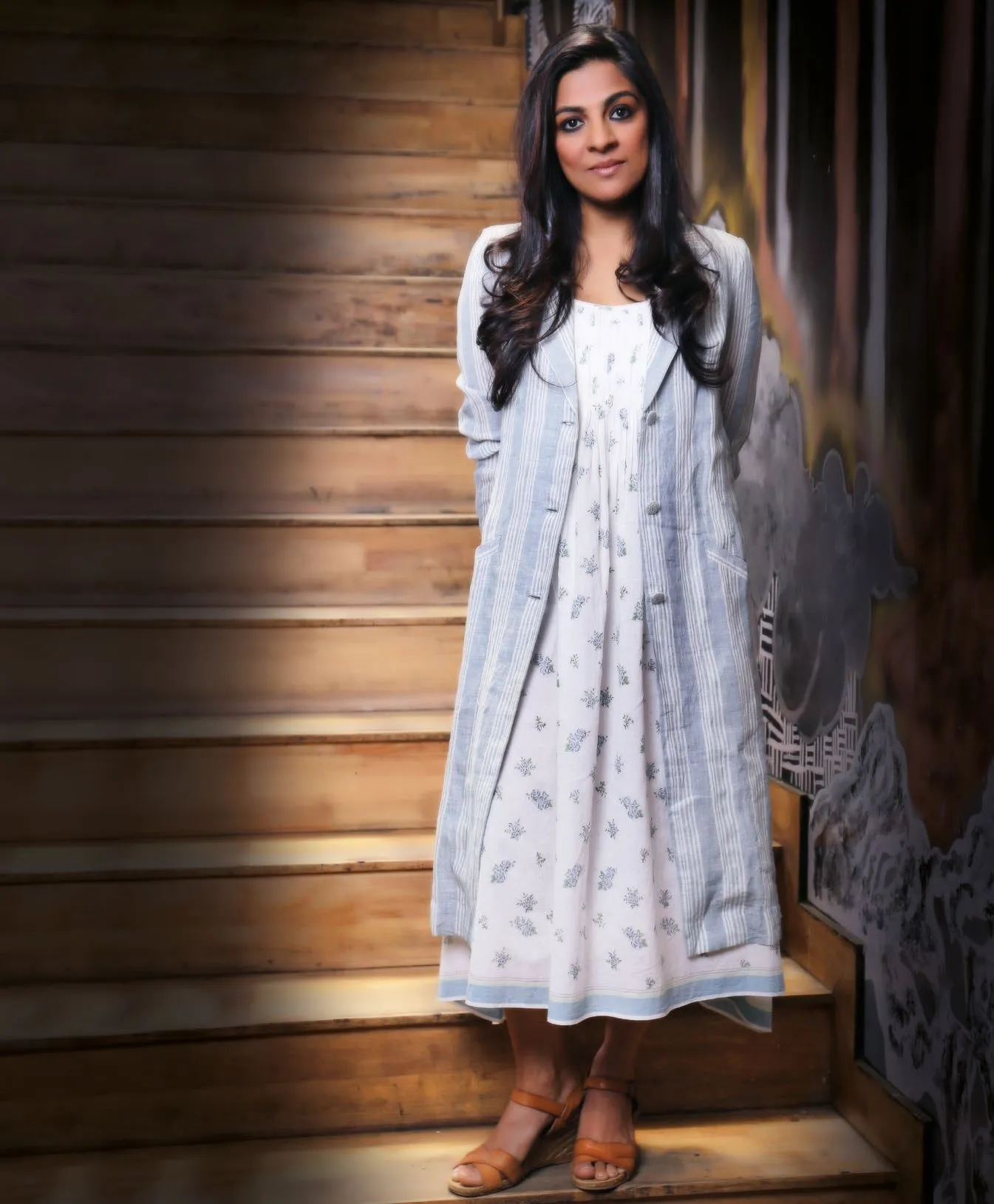




Silhouettes in fashion are contouring personalities more than bodies. Designers Gaurav Jai Gupta, Neeru Kumar, Rina Singh, Himanshu Shani and Mia Morikawa bear testimony to this tectonic shift with garments that are personal, relatable and cerebral.
Needle in a haystack
EKA by Rina Singh
 L’Officiel India DigitalRead L’Officiel India in the digital libraryEvery issue and every cover story, on TCG Media.Read now
How has EKA embraced a shift in silhouette from the prevalent constricting to non-constricting?
I work with handloom textiles… Unless I find a way to make blends mix lycra and still work it out on handlooms, I cannot contour a body. Clothing is a necessity. When you glamorise it, it’s seen as fashion, but at the end of the day it’s an everyday thing. So you would want to wear something that is functional, comfortable and where the clothing, fabric and design all blend, and it becomes a package.
What fuels your design philosophy?
My personal philosophy is extremely comfort-oriented. In the end, I wanted to make clothes that breathe, allow me room to be ‘me’ as a person. I didn’t want to make body or ageconscious clothes; I just wanted women to feel pretty in them. I have a taste for clothes which are doused in subtlety, femininity and a tinge of sensuality. My clothes are not eccentric; they’re believable, to the extent that they’re not just visually appealing, but also wearable on a daily basis.
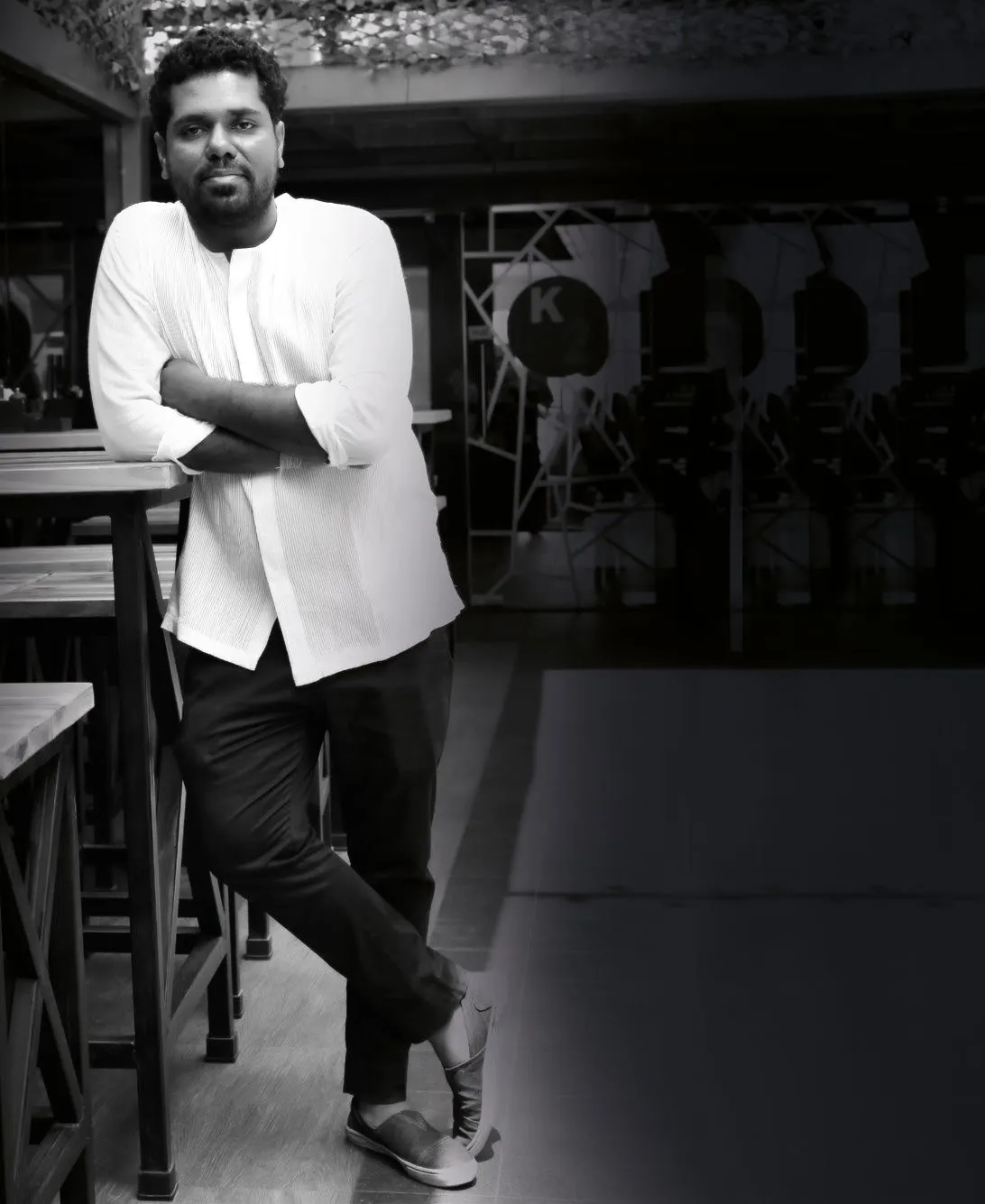
Threads of change
Akaaro by Gaurav Jai Gupta
How has clothing become easy and no-fuss?
As far as body types and silhouettes are concerned, there are two sides to it, the commercial side (wherein), when you’re selling in India, you need to understand the body types very well and design according to that. Second is (when) you can be very extravagant. I do both. As we sell more and more, we get a feedback, you see the problems with clients… it’s a gradual (learning) process.
What fuels your ideology?
I work a lot on films. My body of work is very visual. I don’t believe in philosophies, it (my work) is not symbolic. It’s abstract. It’s for me; it’s not for people. The process of designing, for me retails the freshness in my work.
So are all your lines very personal?
Sometimes my lines are very personal and I identify with things that I am going through in life. Involvement with the subject is very important. I don’t really follow trends. At the end of the day why is a designer different from a bespoke Savile Row tailor? As a designer you have the platform where you can make a difference, you can communicate to people outside with your body of work.
You have never consciously decided to make silhouettes which are looser?
For me, it’s more about exploring my own self, and with every season or line which you do, you grow as an individual. My value addition is actually in the fabric.
So it’s mostly about the visuals of the fabric itself…
It’s overall. It’s not just the fabric or the silhouette. Sometimes just a plain white piece of square fabric can say a lot. The fabric is a fascinating medium and an indication of the times we live in.
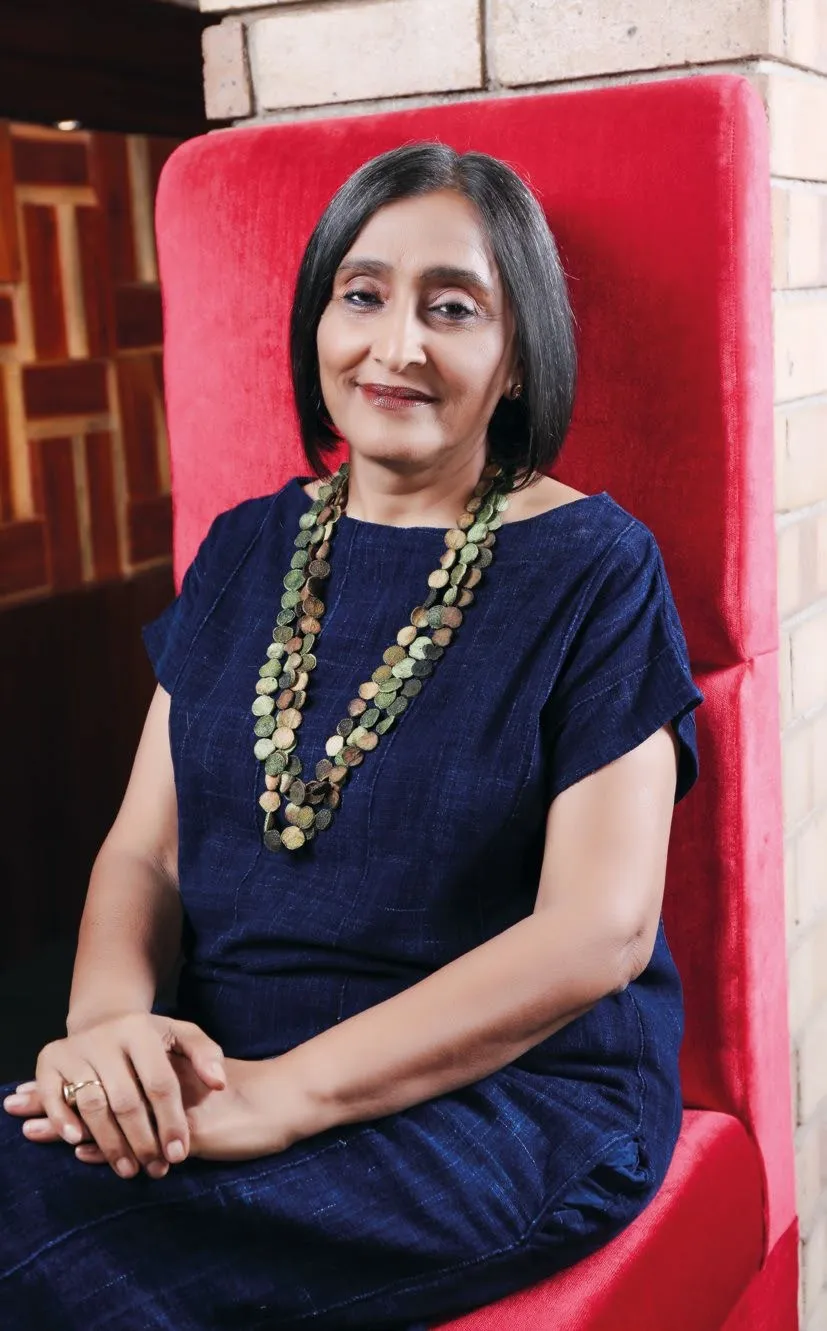
Timeless treasures
Tulsi by Neeru Kumar
Your label has epitomised ease and breathable silhouettes. Has this always been a part of your design focus?
Recent developments in fashion seem to be pointing to a shift in aesthetic towards clothing which is easy-to-wear and comfortable. Taking inspiration from craft and made by hand, these new trends emphasise simplicity and modesty, rather than glamour. Perhaps reflecting a yearning for a life well-lived, based on sound values, on considered and intelligent choice, these clothes represent elegance and luxury of a very distinct kind.
Is comfort the most important characteristic of your label?
Comfort is imperative. Making a definite move away from excessive decoration and detail, this new fashion puts the focus on more fundamental qualities of textile and dress – the feel and drape of a fabric, the cut of a garment, how it sits on the body, whether it allows ease of movement and other such features, which emphasise the tactile and sensual, along with comfort and wearability.
The result is clothing which is a joy to wear, unpretentious and practical, yet immensely attractive. Taking a much more relaxed approach to silhouettes, this fashion brings new form to volume with generous, even oversized, cuts. These are not clothes of common fantasy but exquisite garments that allow the living of a real life with thought and elegance.
Would you say your line caters to all ages?
Yes, I would. My clothes cater to a certain aesthetic; to the young and to the aged.
Photographs: Shivamm Paathak. Makeup and hair: Anuj Dogra. Assisted by Drishti Vij. Location courtesy: Kinbuck 2. The fourth label in this feature, 11.11/eleven eleven by Himanshu Shani and Mia Morikawa, is on the site as its own story, Pop! Goes The Weasel.
From the July 2015 issue of L’Officiel India.
Spotted a mistake, or your photo used without permission? Report a correction