Shape Of Things To Come
Shoes have always flirted with architectural forms. What happens however when architects hit the designing tables to create miniature scaled, walking constructions?


The notion that shoes are small-scale pieces of architectural design has been around, contrary to what you might think, for a very long time. Architectural trends influenced our feet fetishes even back in the 15th century, a time when the poulaine, an extremely pointy shoe was in fashion. The style that came back in a more sensible manner around the 1950s is said to have followed the pointy forms of Gothic structures, creating an interesting mash up between the arts, wearable or not.
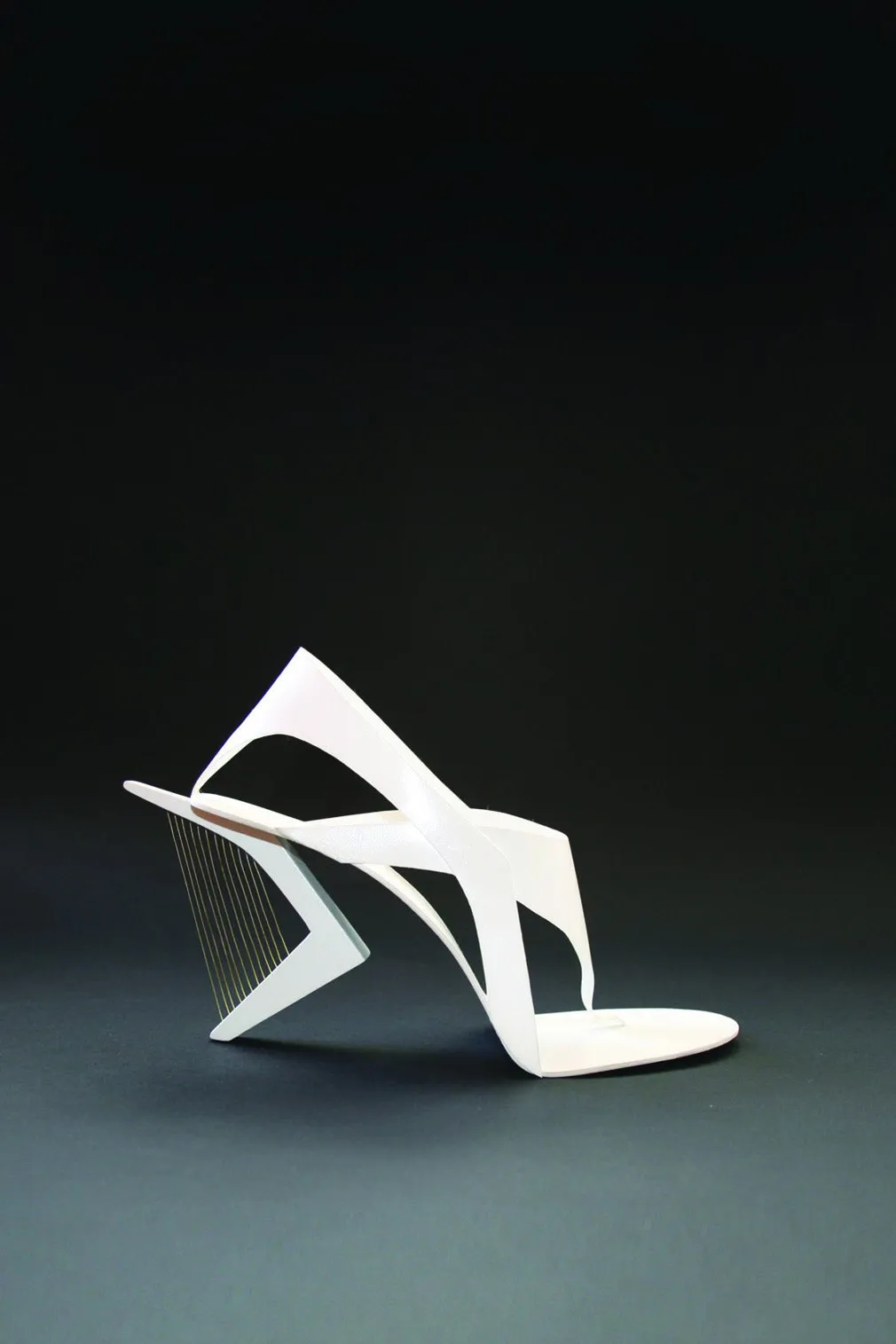
One can imagine the allure shoes might have for architects, as they resemble small-scale buildings and can be treated as such on paper, whether they are completely unwearable, like the extra-long and pointy poulaine, or extremely comfortable and round, like the trainers designed by the late Oscar Niemeyer for Converse. Let’s take a closer look at this very interesting bond and the times it resulted in masterpieces.
 L’Officiel India DigitalRead L’Officiel India in the digital libraryEvery issue and every cover story, on TCG Media.Read now
BEAUTIFULLY STRUCTURED

The year of his passing, having reached the incredible age of 104, the genius Brazilian architect Oscar Niemeyer decided he should design trainers, and so he left us with a collection of five sneakers and slip-ons he created for Converse. The “sensual curve”, for which his architectural style is famous, appears in the form of a handwritten poem on one of the designs. Another poem by the architect celebrates his version of the Chuck Taylor high sneaker that also features a red tongue, in reference to his Ibirapuera Auditorium building in São Paulo. All of his designs for Converse have a clear and strong reference to his architecture, making this his farewell note, his final nod to the world of impressive buildings through an easy, lifestyle infused move. Anarchistic? Sarcastic? Who knows? The point is the object he used, shoes!
Around the beginning of the century, the shoe industry managed to steal away a brilliant architect that had a lot to offer, since a famous namesake existed: Architect Rem D Koolhaas, the nephew of the esteemed Rem Koolhaas of OMA, came up with a shoe he named “Möbius”, back in 1999 while still studying architecture. The shoe, perfectly fusing fashion with classic architectural forms, was inspired by Ludwig Mies van der Rohe's Barcelona chair, created in 1929. This design was unlike anything else out there, and Koolhaas found it very hard to persuade any of the fashion houses to invest in it, so he was persuaded to start his own brand, called United Nude. Koolhaas had to develop new industrial production techniques to make his shoe, which he described as "the first high heel to cross the border between industrial design and fashion". Using his name and impact on the design world, the young architect began collaborations with the Dutch fashion designer Iris van Herpen, as well as the late Zaha Hadid. The Iraqi-born British architect, who passed away a year ago, in March 2016, always had a very interesting and vibrant relationship with fashion. She often stood out for wearing dramatic jewellery and fascinating designs by Comme des Garçons, Issey Miyake and Prada and made a regular appearance at industry events. The fashion world loved her for her sculptural and futuristic designs, ranging from an art project for Chanel in 2007, the unique flagship store she designed for Neil Barrett in Tokyo to jewellery and, of course, footwear. She didn’t only design for United Nude, but also for brands such as Georg Jensen, Lacoste (where she applied building techniques such as Direct Metal Laser Sintering, a method for precision cutting and etching metal), and all-rubber gladiator-style, ballet pump-cum-wedges for the brand Melissa. Her characteristic, flowing forms have made the latter E-bay treasures, but it is her Nova shoe for Koolhaas’ brand that stands out as a beautiful experiment in design, a miniature, however magnificent edifice. The shoe is based on complex structural principles that make the 16 cm heel appear completely unsupported. Through molding, vacuum casting, and use of metallic chromed vinyl rubber and fiberglass, the shoe appears seamless and smooth.
MODERNIST CONVENTIONS
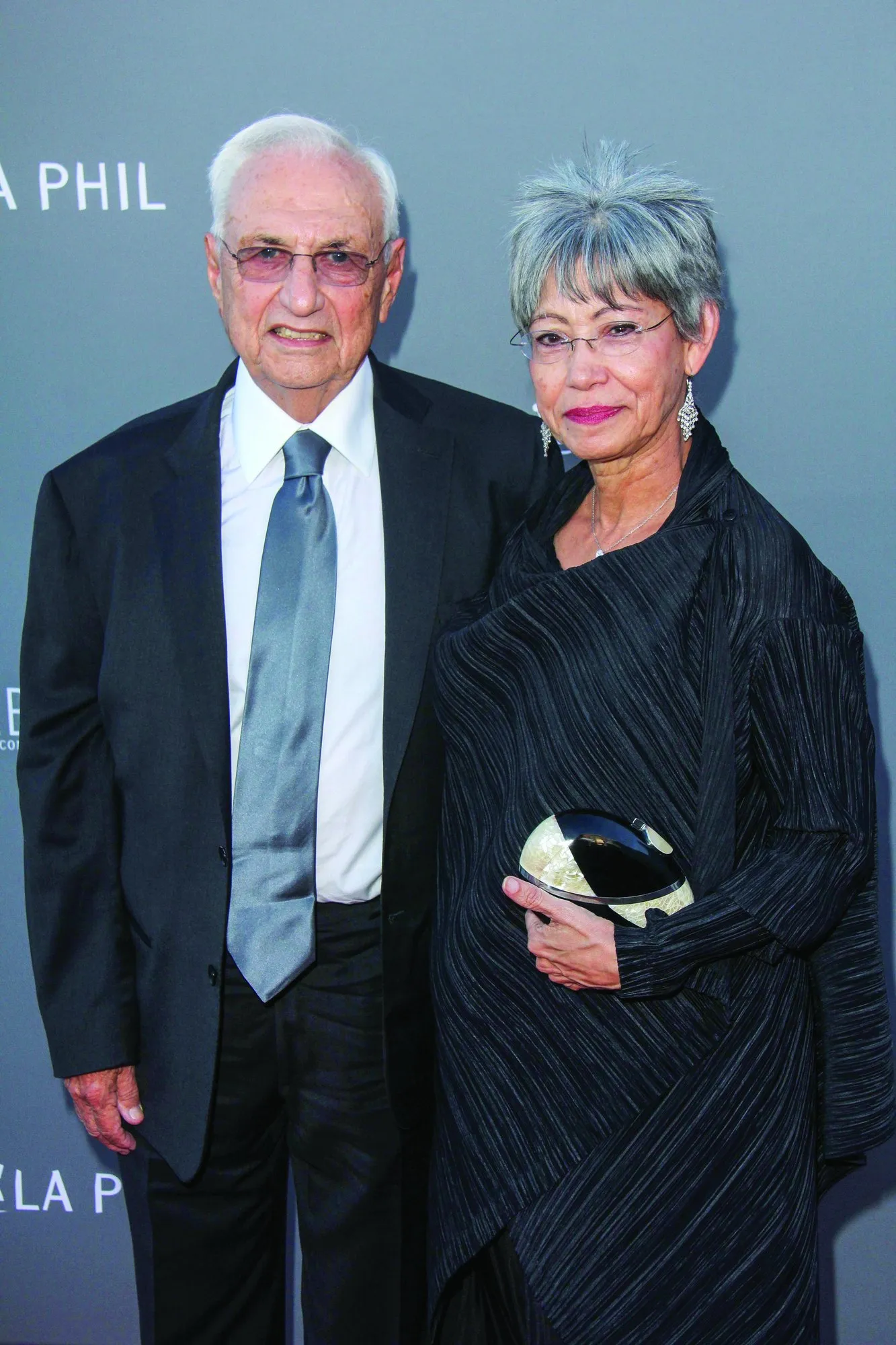
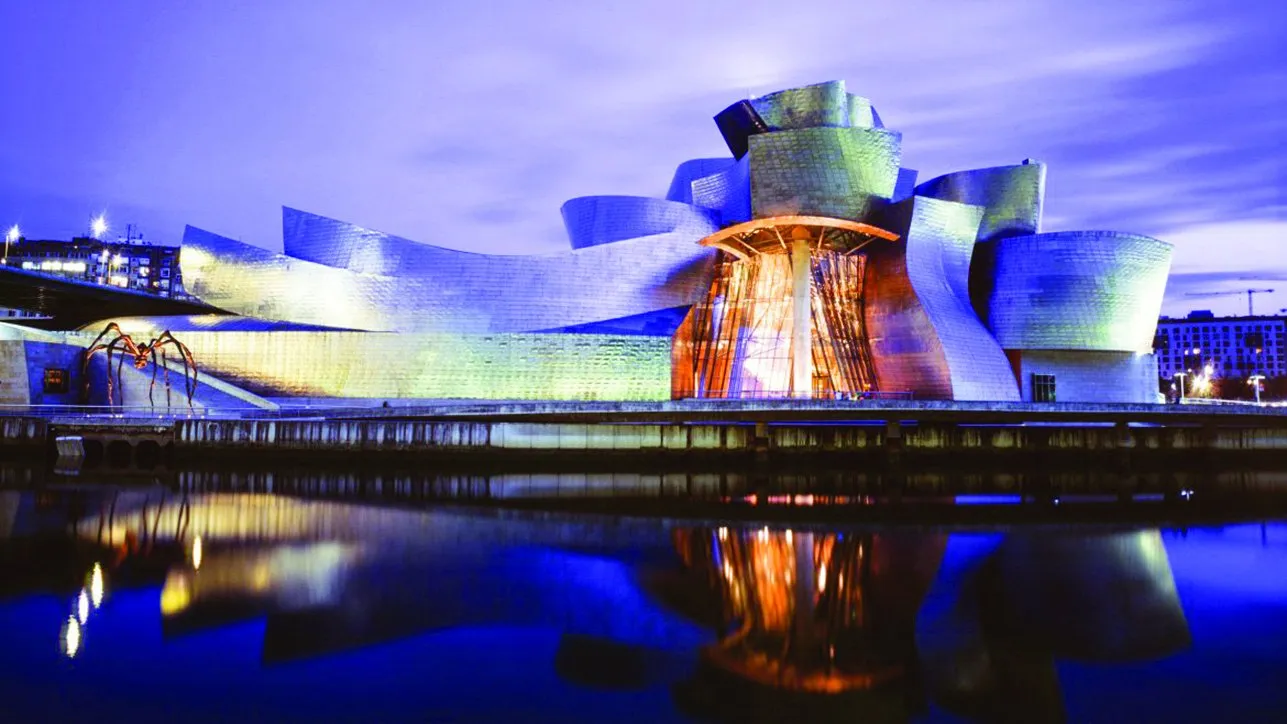
Frank Gehry is probably the first name that comes to mind when one thinks of contemporary architecture, and according to the 2010 World Architecture Survey, that is also a fact, a claim that led Vanity Fair magazine to name him "the most important architect of our age". The Guggenheim Museum in Bilbao and the Walt Disney Concert Hall in Los Angeles are merely a couple of his iconic designs that we can think of. The Louis Vuitton foundation he built in Paris became the talk of the fashion world in 2014, a cooperation that flourished when the Canadian-born architect became one of the six “iconoclasts” selected by the French fashion house to design a piece using their iconic monogram pattern as part of their "Celebrating Monogram" campaign. The 87-year-old genius is so restless that he even designed his first yacht in 2015, but it was back in 2009 when he presented us with a collection of six buttoned, black-and-white women’s leather boots for JM Weston. “You shouldn’t have to differentiate between disciplines, shoes are very architectural and always have been, and even more recently there are new shoes (that are) buildings” he said back then and the secret to his brilliance probably lies in the conventional styles he chose for the shoes, in contradiction to his flashy, amorphous architectural structures.
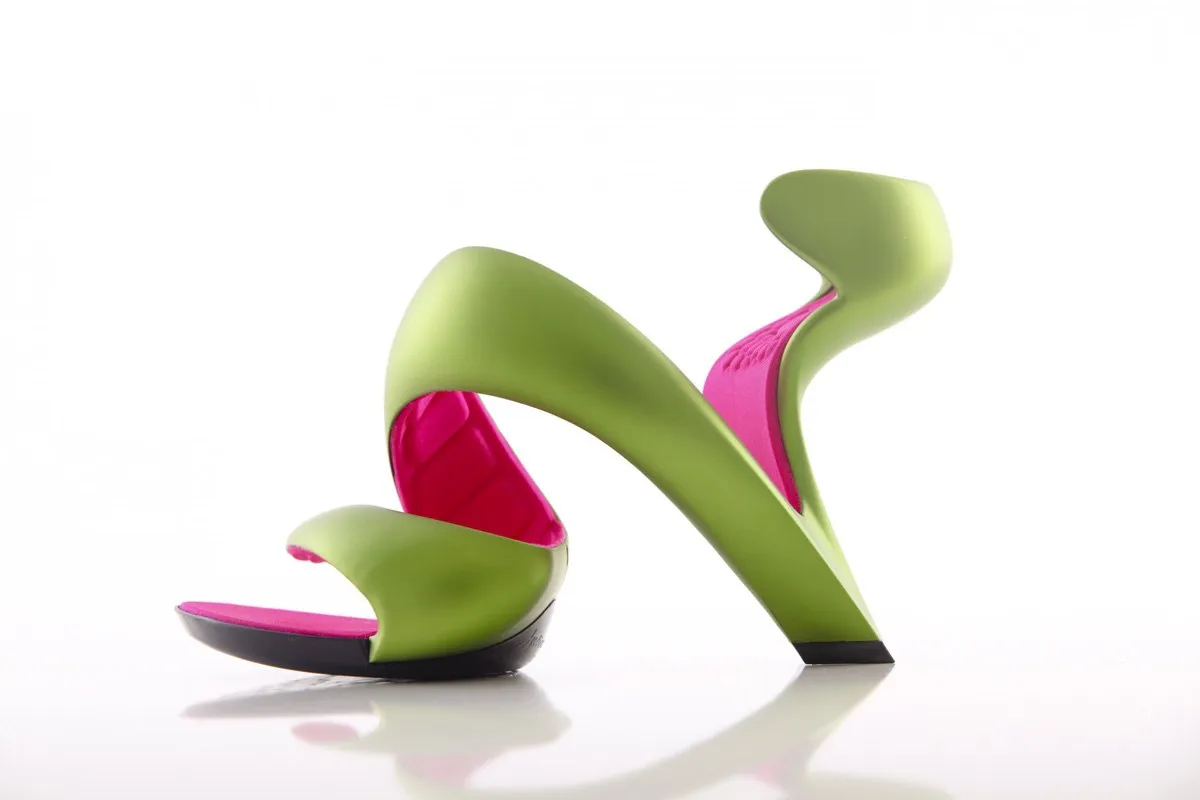
It is true that we live in a time where, to quote Gehry once again, “Architects create brand names”. Closer to a Renaissance way of creating than ever before, designers are free from the constraints of their work’s medium, left to create by using technology to their advantage and our surprise. When you design, it is pretty much irrelevant whether your creation will come to life through wood, concrete or leather. Or even rubber, for that matter, as did French architect Jean Nouvel, when he created a pair of leather and rubber boots for Italian shoe brand Ruco Line at the Interni Hybrid Architecture and Design exhibition in Milan, in 2013. The footwear, called “Pure”, reduced the concept of the shoe in its purest form, according to the architect. What more evidence do we need to understand this fascinating fusion of creativity, than this elementary and simple approach, stripped of any reference? On the same playing field, on the other side, sits the Mojito shoe by architect Julian Hakes, a pair of swirling stilettos he designed for Spring/Summer 2011 that is more about form than function, more about architecture than fashion – even though it made its debut on the runway of two shows of the London Fashion Week.
When these two worlds blend together perfectly we get the Tea Petrovic, the ideal hybrid of a shoe designer, strictly influenced by architecture. The Sarajevo-born designer and artist creates shoes that look like buildings with thin, fragile and detailed shapes, paying tribute to her architecture gods, such as Santiago Calatrava, whose characteristic arches are captured flawlessly in a series of cutting-edge shoes she created for a project at the Academy of Fine Arts in Sarajevo. Her words perfectly summarize the perfect, simple and natural matrimony between the two: “I have created a shoe collection that is centered around the idea that each shoe is a sculptured, architecturally structured form. To highlight their sculptural aspect the shoes are kept white, which also lays emphasis on the artistic language present in the entire collection.” Did anyone say “blank canvas”?
Spotted a mistake, or your photo used without permission? Report a correction