
Seetu Kohli: Stylistic Reflections
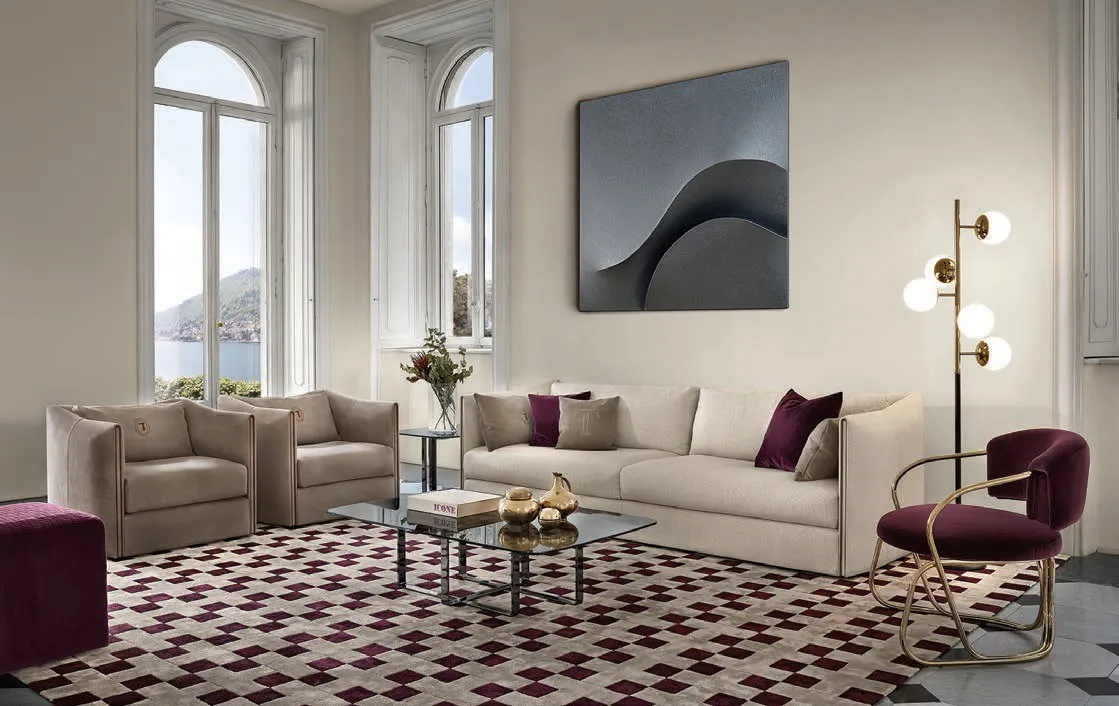




An architect who offers the finest and trendiest products in home decor, sheds light on the changing state of Indian design sensibilities, along with the industry’s conscious sustainable actions.
Adesign visionary by profession, Seetu Kohli’s passion revolves around enhancing the contemporary lifestyle; by making living a complete experience, luxury a way of life, and life a pleasure to live. This has made her one of the key players in the industry today. Her most significant achievement has been to officially and successfully bring the world’s most glorious brands of furniture to India; such as Bentley Home, Trussardi Casa, Roberto Cavalli Home, Gianfranco Ferre, ETRO Home Interiors and many more...
 L’Officiel India DigitalRead L’Officiel India in the digital libraryEvery issue and every cover story, on TCG Media.Read now
Her flagship company, Seetu Kohli Home, operates exquisite showrooms under her parent brand, Ace Maison in Delhi and Mumbai, and is often credited with single-handedly establishing the market for luxury furniture in India. Edited excerpts...
Tell us a bit about your background. How did you get your start in the industry? Also in what ways do you think your interior style and design philosophy has been influenced by your upbringing?
I was born and brought up in Jammu, with my family background in business and politics. I came to the big city of Delhi to pursue architecture and got married right after college. My husband and I started our first company Furncraft in 1998 and began working together. After a few years of working together we realised that we had completely different styles of working and decided to open our separate firms to pursue our careers ahead.
My upbringing has been in a large joint family and our home was an open house for visitors from all parts of the world. Since the beginning, I have been exposed to a lot of cultures and lifestyles and grew up realising that there’s more to this world than what we see around us. Therefore, my design style has been inspired by global sensibilites. The bon vivant look that I love to create is always highlighted with accents of traditional design and cultural nuances that the occupants can relate too.
What are your thoughts on the interior design culture of India?
I think that we have the most beautiful and varied interior design styles present in India. From the palaces to the temples, to the monuments left behind by grand dynasties in various parts of India, we have so much inspiration around us. It’s a pity that we haven’t been able to conserve and appreciate them properly, and have become used to living with filth around us, even in modern cities.
It deeply saddens me, but besides that, I think that the modern day homeowners and designers are doing a great job of spending time and effort on their homes and offices, and are getting back the intricate aesthetics that our once great maharaja’s and their beautiful cities used to enjoy. Of course the lifestyles have changed, therefore there’s a beautiful mix of tradition and contemporary style that is coming up these days.
As a contemporary interior design expert and curator, what has been your curatorial legacy?
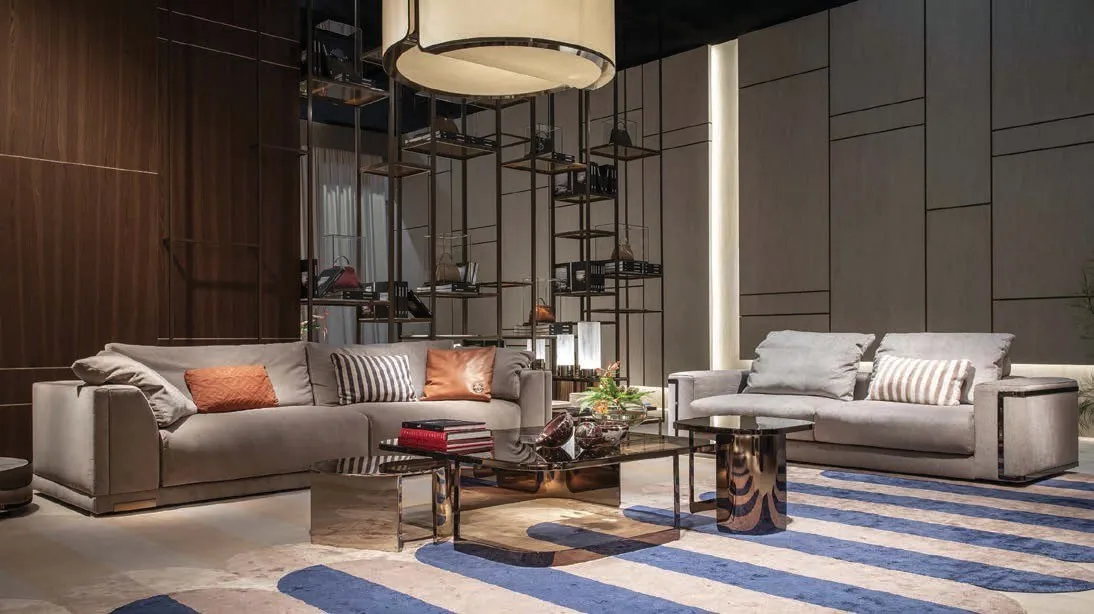
It is linked to my travel experiences and my interaction with people from all around the world. This includes the design fraternity that I meet for my projects, and also my experiences over the years with various luxury brands.
My biggest curatorial legacy are the international brands that I represent in India and the Middle East. I also love to use my in-depth knowledge on new projects, wherein I am able to create an atmosphere of exclusivity and panache, to help curate a very special look for the interiors.
You have been working with noteworthy global brands such as Bentley Home, Trussardi Casa, Ralph Lauren Home, Roberto Cavalli Home Interiors, Etro Home Interiors, Armani Casa and many more. How did the inception of your eponymous brand come about?
My brand was very incidental. I was always on a journey to seek more, learn more, until I fell in love with these global brands and their heritage. Once I started working with such luxury labels, I became addicted to their philosophies and their culture. After that it was a natural progression from one brand to another.
The missing link was completed when I brought Ralph Lauren Home to India — it is a brand that completely focuses on accessories, fabrics, carpets, lighting etc., as much as it does on furniture.
What is something you’ve found clients tend to overlook or miss in the design process, and how do you overcome it?
I think that sometimes clients overlook the need to have a lot of open and multi-cultural spaces. They are often so bogged down by practical things that they miss out on thinking about the vibe, which is required to create a beautiful yet breathable space. I always take down a few extra walls in the structure to let energy flow through the space.
Your work often embraces new forms of technology and materials. How important have these advances been in allowing you to fully realise the scope of your creative vision?
I think these advances have been one of the most important aspects involved in helping create comfortable and funcional contemporary interiors. Though a bit of classicism is always great, but interior design is a lot about evolution and moving into the future. The new technology and materials have done away with regular columns and beams in the house, thick slabs, and even traditional doors and windows. This has given us interior designers a lot of design flexibility, and we can create more design based interiors, that have the ability to sustain a more unconventional structure, not just a different look. We can totally break away from the shackles of traditional design constraints and literally fly freely in terms of our design sensibilities.
There is also a sense of timelessness in your work. How do you find the balance between classic and contemporary influences?
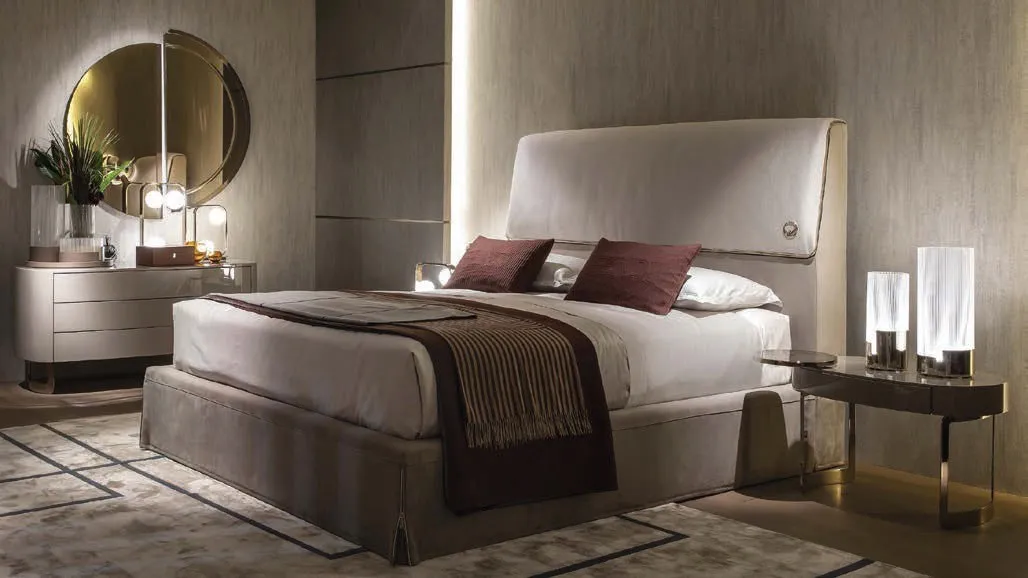
I think this has always been the basic underlying principle of my work. I distinctly remember, when I designed Falguni and Shane Peacock’s flagship store in Delhi, I gave them a very neutral ice beige high-gloss look as the base of the store, including the the walls, cabinets and paneling’s. To create a unique aesthetic, I used traditional black and white stone inlay work, done by an expert craftsmen from Rajasthan. This created a wonderful mix of an international look with traditional elements woven in.
The same principle was used in Manish Malhotra’s showroom but in a completely different way. I introduced blue walls and aged silver wallpapers in to his gorgeous white showroom. Manish, as a person exuberates the quality of timelessness, so I added a quintessential carved white fireplace at the entrance of his showroom, decorated with wainscoting. These elements helped me create a fine balance between a classic and contemporary look that macthed his unique fashion sense.
Working with Manish was really inspiring, as well as fun. A good example of that is the cinema room which we designed with lights inspired by film reels, and added black and white photographs of his favourite Bollywood actors to provide a subtle contrast.
What do you feel is the greatest challenge when it comes to designing for environmental sustainability?
The biggest challenge is lack of awareness. We are so blinded by the desire to outdo each other that we do not even think about environmental stability. A lot of materials that we use are not just unsustainable, in fact they are also hazardous to the environment. But unfortunately, there are no laws, or realisations in that area. The construction industry itself has become so large that it is the worst example of capitalism, destroying nature on such a big scale, and in so many ways. Even the grass in peoples’ houses has become plastic. I hope that there is widespread awareness over this concept amongst the main stakeholders, such as the designers and the builders.
What do you see as the future of design?
I think the future of design is great, provided we work on the environment to help provide the privilege of a future to our next generations. Having said that, the new and upcoming talent in the industry is extremely creative, and is not limited by any boundaries when it comes to their imagination. They are extremely pragmatic yet aesthetic in their approach. I see a lot of evolved passion towards design, as it is increasingly being treated as art these days, which is married with technological advances, and will surely change the world going forward.
Tell us something about your recent projects?
My recent projects have been extremely special ones. These include the late Arun Jaitley’s home. Falguni & Shane and Manish’s Delhi showrooms. And I have also launched a new line of home decor and furniture with Manish— Manish Malhotra x Seetu Kohli.
I am also doing a lot of international projects now including homes in LA, London and Doha. Besides that, the journey continues as we enter the Qatar market and are excited to see how that turns up.
From the January 2020 issue of L’Officiel India.
Spotted a mistake, or your photo used without permission? Report a correction












