
Revolutionary Driving Experience Ahead
With groundbreaking tech, jaw-dropping performance, and unparalleled luxury, the 2025 models are raising the bar to a whole new level in the ultimate driving experience. Dig in to explore the future of speed, style, and sophistication.
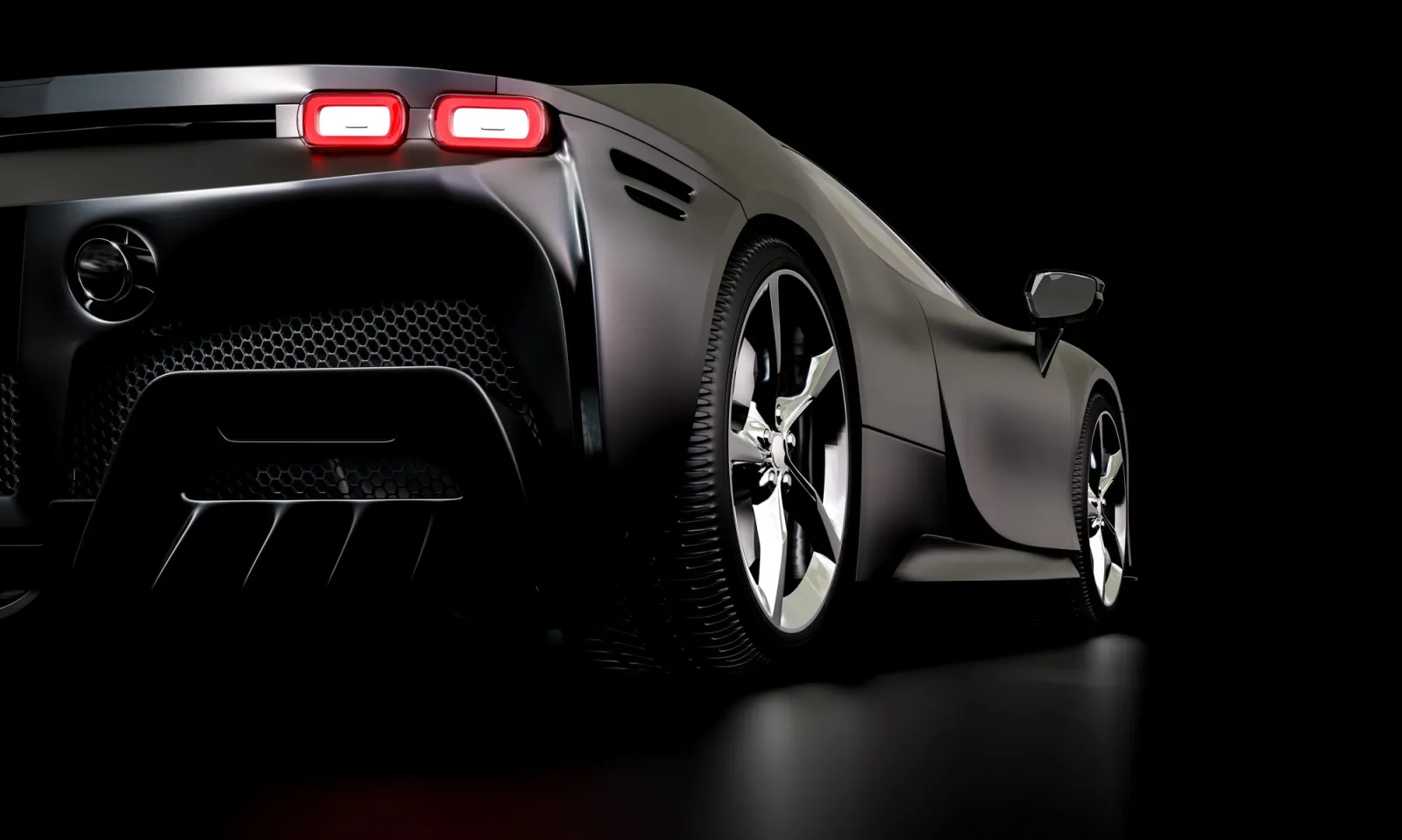




These luxury cars are designed to break through what is seemingly impossible when talking about performance, technology, and design. Promising the ultimate redesign of the driving experience and infusing innovation, performance, and elegance all so seamlessly.
2025 Rolls-Royce Ghost
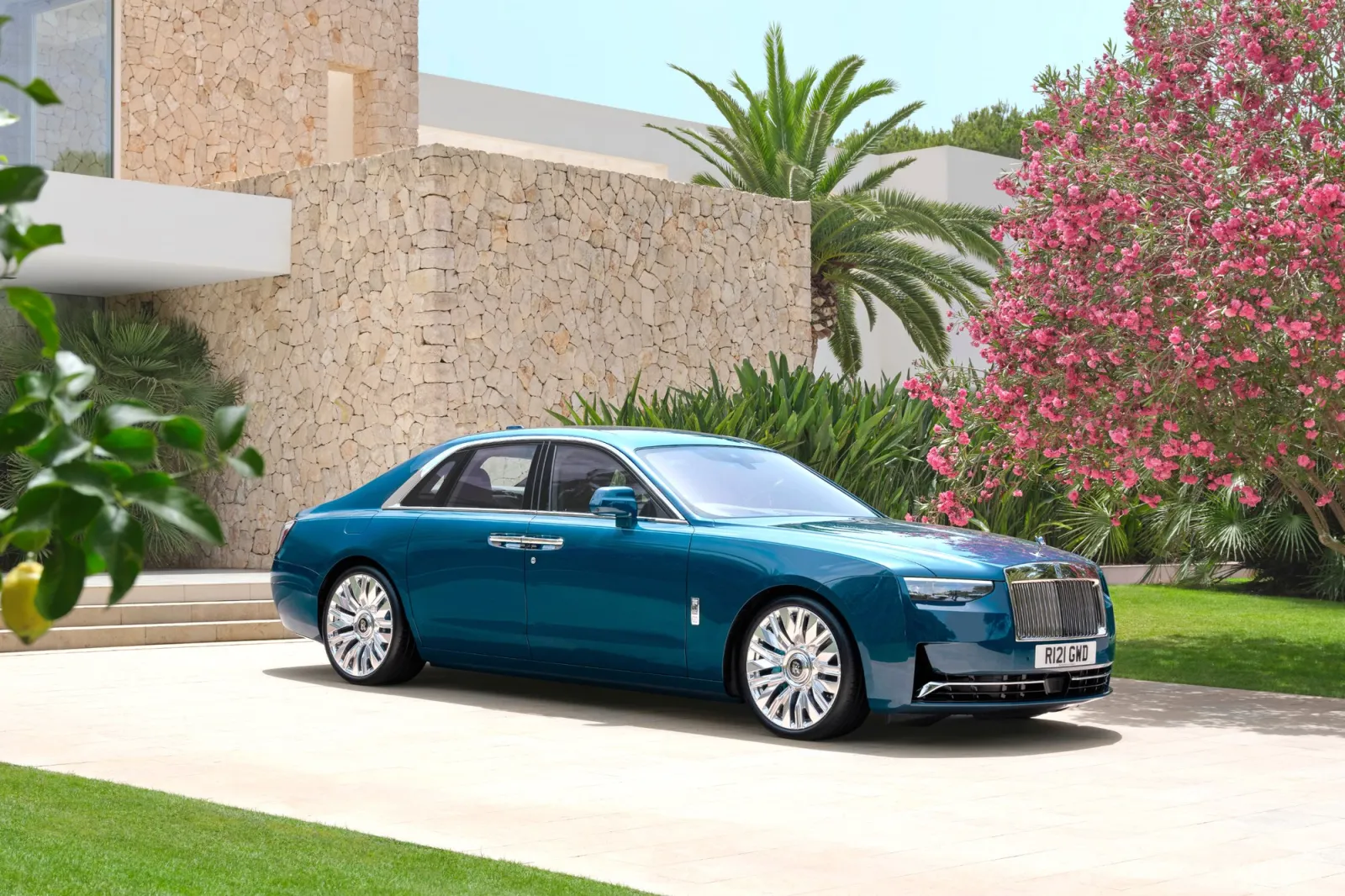
Rolls-Royce reimagines the Ghost for 2025 but now with a more subdued bodywork and sharper lighting, a finer-grained grille, and an eye-catching new wheelset. Inside too is an entirely much more tech-saturated luxury sedan through a wholly new glass panel in the dashboard that flows uninterrupted between the two A-pillars in the integration of infotainment, gauges, and a digital art gallery. This is an inventive Whispers application that allows the owner to remotely send instructions for navigating the system as well as access to the configuration of the car itself, the locks of its doors, and its location.
 L’Officiel India DigitalRead L’Officiel India in the digital libraryEvery issue and every cover story, on TCG Media.Read now
The Ghost rests under its own powerplant-a velvety 563-hp 6.7-liter V-12 the same engine found in the Cullinan SUV-as the Black Badge model reaches 592 hp. With an eight-speed automatic transmission and all-wheel drive, driving is silky smooth, and Rolls-Royce's optional all-wheel steering and evenly weighted 50/50 distribution make this car such a pleasure to drive. This Ghost says a lot for the brand in its efforts to combine luxury with the satisfaction of driving - it offers refined comfort and value to those who can appreciate splendor with strength.
2025 BMW M5
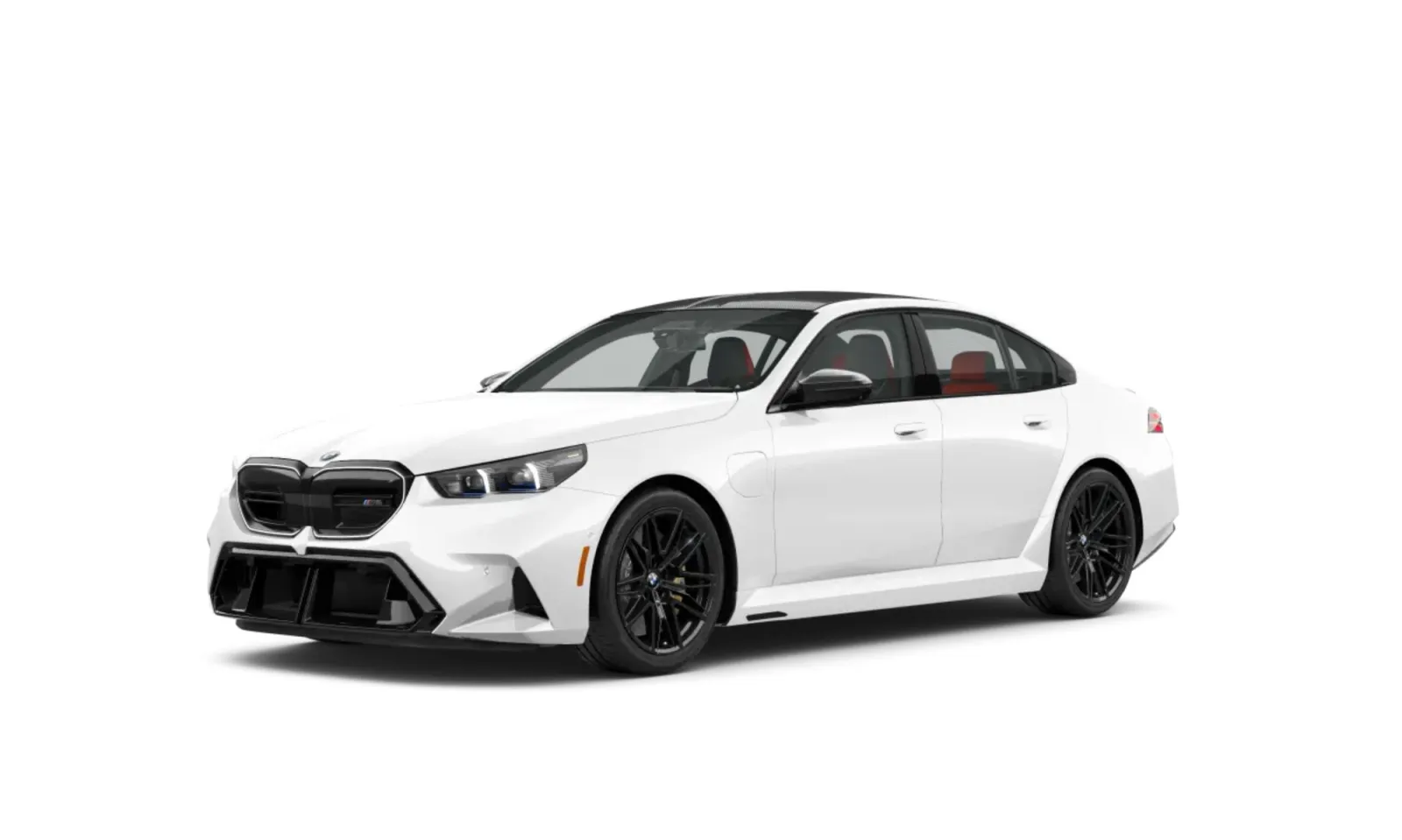
It's the game-changing 2025 BMW M5 that's all set to go in a whole new direction by way of innovative plug-in hybrid powertrain. Featuring a twin-turbo 4.4-liter V-8 along with an electric motor, the end result is almost unbelievable - a total of a tremendous 717 horses, 100 horsepower more than its predecessor. It has an eight-speed automatic transmission and all-wheel drive to make it easily performative. There's also a provision for the M5 for those who want to have fun with their car, including rear-wheel drive bias drift mode. Adaptive dampers, rear-wheel steering, and powerful brakes make the sale extra sharp, and precise.
The 14.8-kWh battery that goes into the M5 yields an estimated 25 miles of electric-only range and recharges at 7.4 kilowatts, but BMW hasn't revealed charging times. As with the usual case, driver-assistance features abound on the M5, from automated emergency braking to blind-spot monitoring. For the ultimate tech innovator, BMW allows the M5 to operate hands-free using its Driving Assistant Professional package.
Mercedes-AMG C 63 S E-Performance
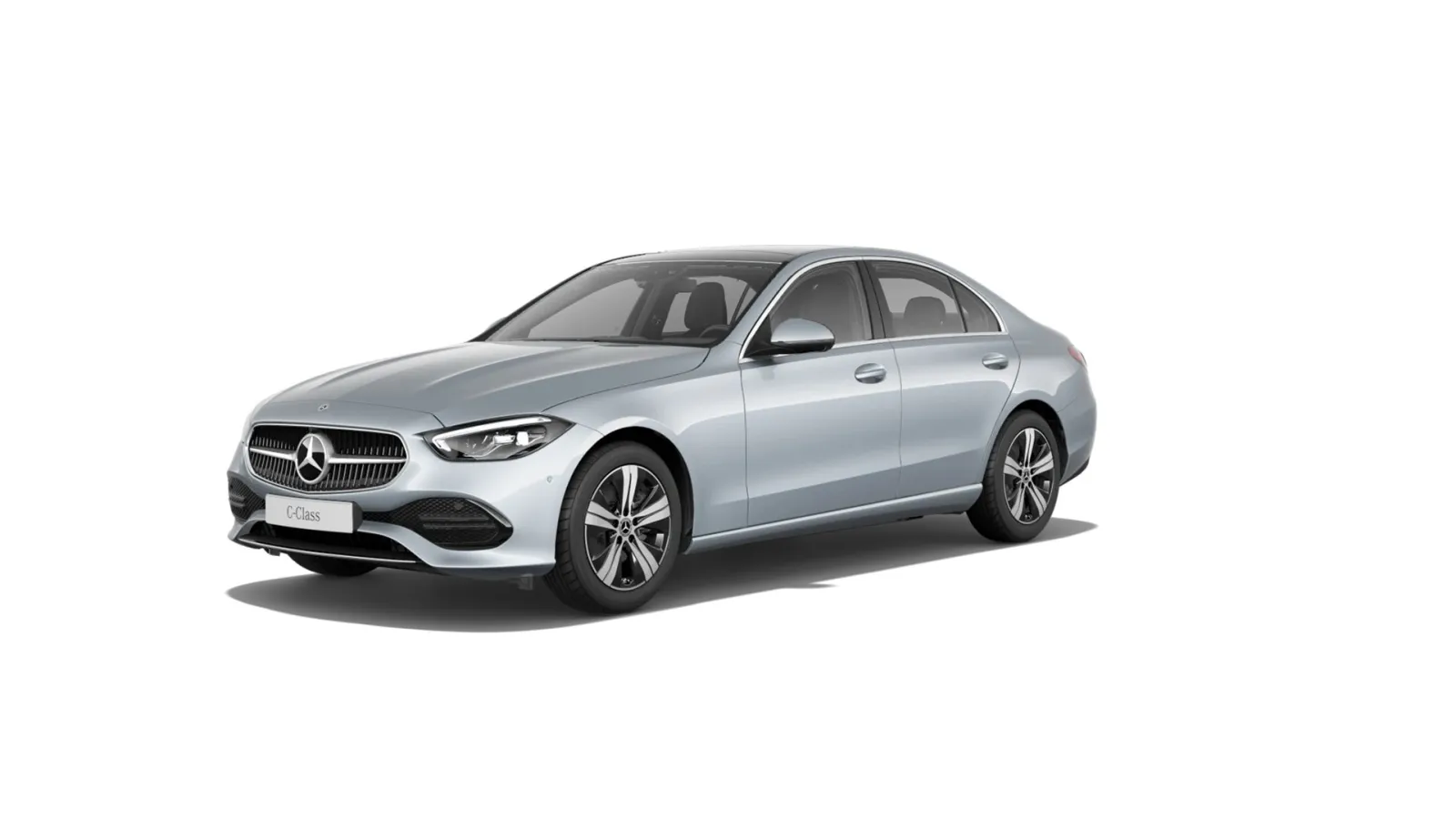
The Mercedes-AMG C 63 S E-Performance 4MATIC+ is a real monster when it comes to performance paired with the latest technology in an unbridled fashion. A 6.1 kWh battery and an electric motor boasting 204 hp, plus 320 Nm of torque, compose this plug-in hybrid. It features the same powertrain as well as a matching two-speed gearbox, and it also lets the motor accelerate up to 140 km/h while helping to push the engine up to 280 km/h, thus this performance sedan is a contender in class; with a combined output of 671 horsepower, this leaves its other contenders, such as the BMW M3 and the Cadillac CT4-V Blackwing on paper.
Although it has a small all-electric driving range of about 6 miles, the C63 hybrid system is more powerful and efficient than its predecessor. The cabin also mirrors the standard C-Class but with its own unique trimmings particular to AMG, such as different upholstery sport seats and a panoramic sunroof. This hybrid sports sedan cuts through the corners with wonderful handling and accelerates with explosive force. Both power and practicality come together in this beautiful luxury vehicle.
Lotus Emira
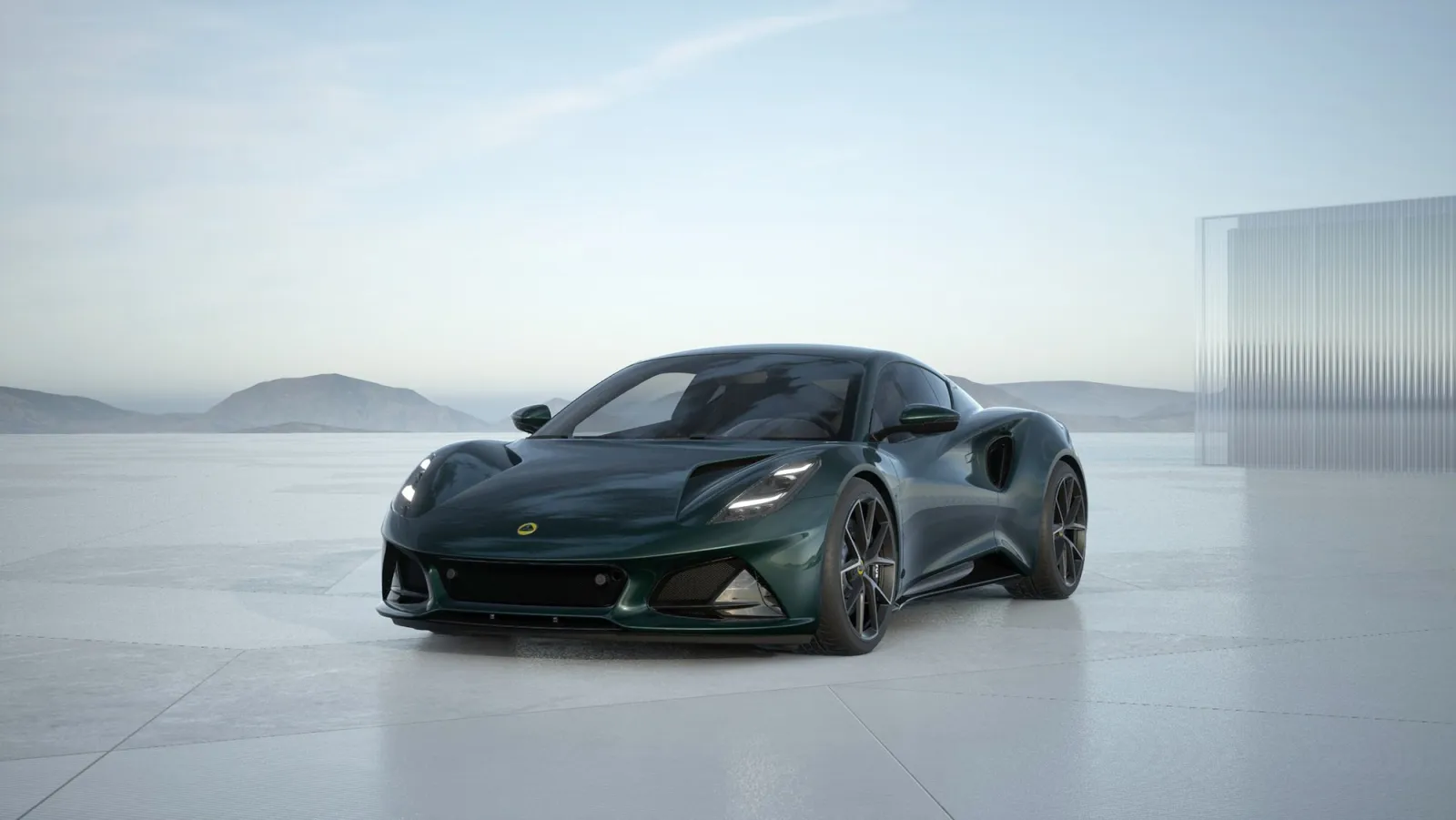
The Lotus Emira is a real driver's car: it perfectly strikes a balance between engineering precision and dynamic performance. With an athletic mid-engine design in which the engine just gets ahead of the rear axle, this one is powered by Mercedes-AMG's turbocharged M139 four-cylinder engine delivering 360 horsepower and 430 Nm of torque. Stronger versions are promised to follow. Alternatively, a supercharged V6 version is even more powerful, and both versions accelerate to 0-62 mph in less than 4 seconds.
For a more thrilling driving experience, the Emira V6 has a 3.5-liter Toyota engine that produces 400 horsepower and can achieve a top speed of 170 mph. The four-cylinder and V6 model options promise an exciting, yet refined ride with the choice of AMG's eight-speed dual-clutch transmission to ensure smooth gear shifts. Lotus continues with its tradition of delivering high-performance vehicles, and the Emira is a true rival to something like the Porsche Cayman.
Bentley Flying Spur
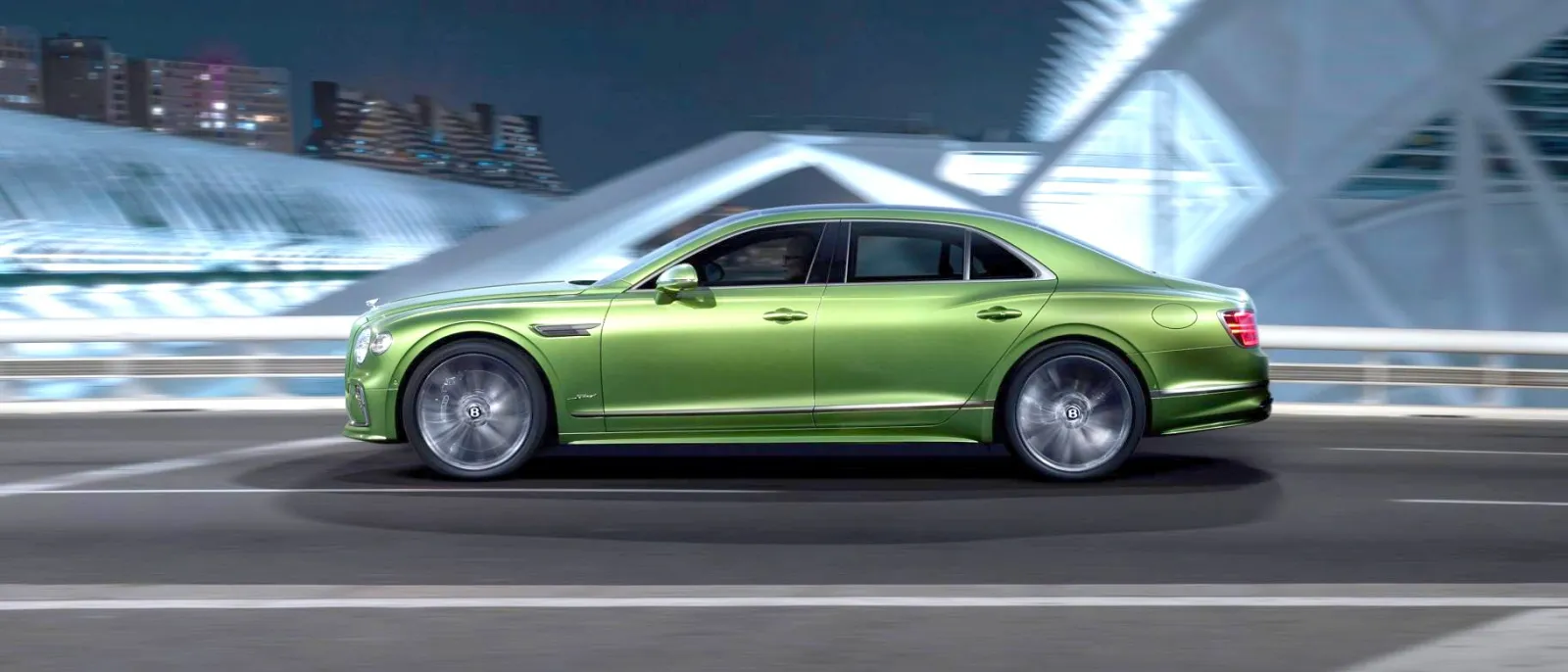
Under its bonnet, the Bentley Flying Spur draws on the Continental GT's 4.0-litre V8 hybrid powertrain, boasting a staggering 782hp combined output and 1,000Nm of torque. The extra weight of the Flying Spur doesn't dent its performance in the slightest as it sprints from 0 to 100kph in just 3.5 seconds, with electric-only range running to 76km. Its performance is thus guaranteed to make the Flying Spur the most powerful four-door car Bentley has ever made.
Under the long and elegant hood of the car, a twin-turbocharged 4.0-liter V-8 plug-in hybrid engine awaits. This represents a major leap for Bentley, which recently ceased production of its iconic W-12 engine this year. As Bentayga, Continental GT, and Flying Spur all switch to plug-in-hybrid powertrains, the company is embracing an entirely new future of powertrain innovation.
Pure combustion enthusiasts will find Sport Hold interesting because it turns the V-8 into an engine that could only be provided with battery boost assistance. That may sound disadvantageous, with 200 hp less than its W-12 sibling, but it's certainly not underpowered, and as always, engine noise adds something to the enjoyment of the driving experience: deep resonant burbles from the twin exhaust tips. On a crisp Arizona morning, the cold start of the Flying Spur hints at its Sant'Agata Bolognese lineage, adding that touch of exotic flair to the luxury persona.
Maserati Grecale Folgore
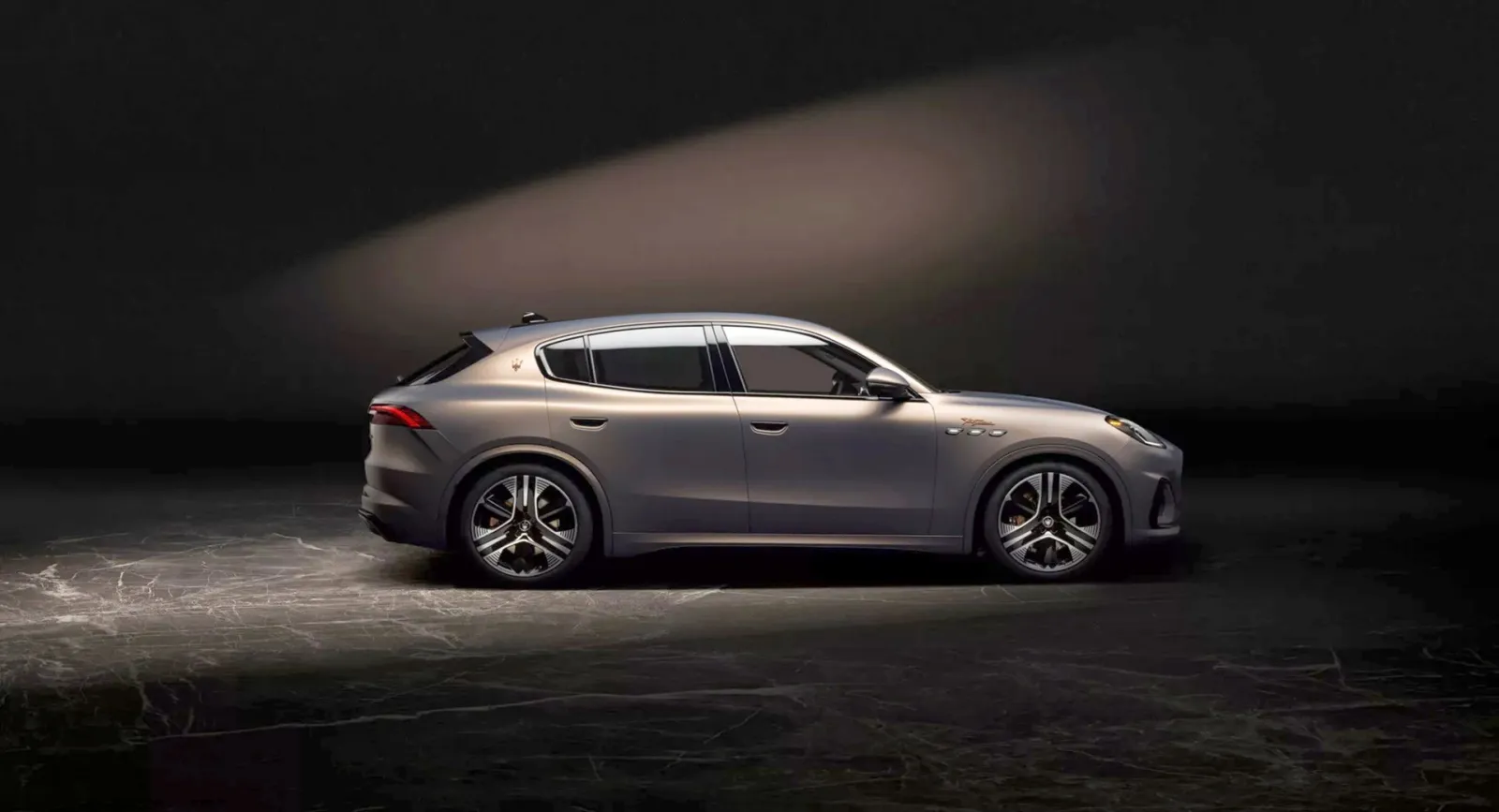
The Maserati Grecale Folgore has a class-leading combination of luxury with nice power and robust design. It has a gross vehicle weight of 2,480kg and is powered by two electric motors where there is one on each axle and a 105kWh liquid-cooled lithium-ion battery. There is a newly designed front grille with fewer openings to meet the cooling needs of the battery and motors, optimizing both performance and aesthetics.
At the back, a new diffuser is used for improved aerodynamics, while copper-colored accents on the brake calipers are indicative of the vehicle's electric character. The Grecale Folgore also has new alloy wheels in 19, 20, and 21-inch sizes that reduce drag and improve efficiency.
The WLTP range for the Grecale Folgore is 501km with a 105kWh battery pack and 400V charging capabilities. For power, the 557hp plus 820Nm all-wheel drive e-SUV accelerates a 2.5-ton vehicle from 0 to 100km/h in merely 4.1 seconds, while the stylish yet functional skin of the Maserati Folgore drew strong influences in its design lines from the rest of the automaker's last sports car batch. Inside lies a minimalist set-up with the three digital displays, enhancing not only functionality, but also modernisation and a techie feel, for that truly futuristic experience behind the wheel.
Volvo EX90
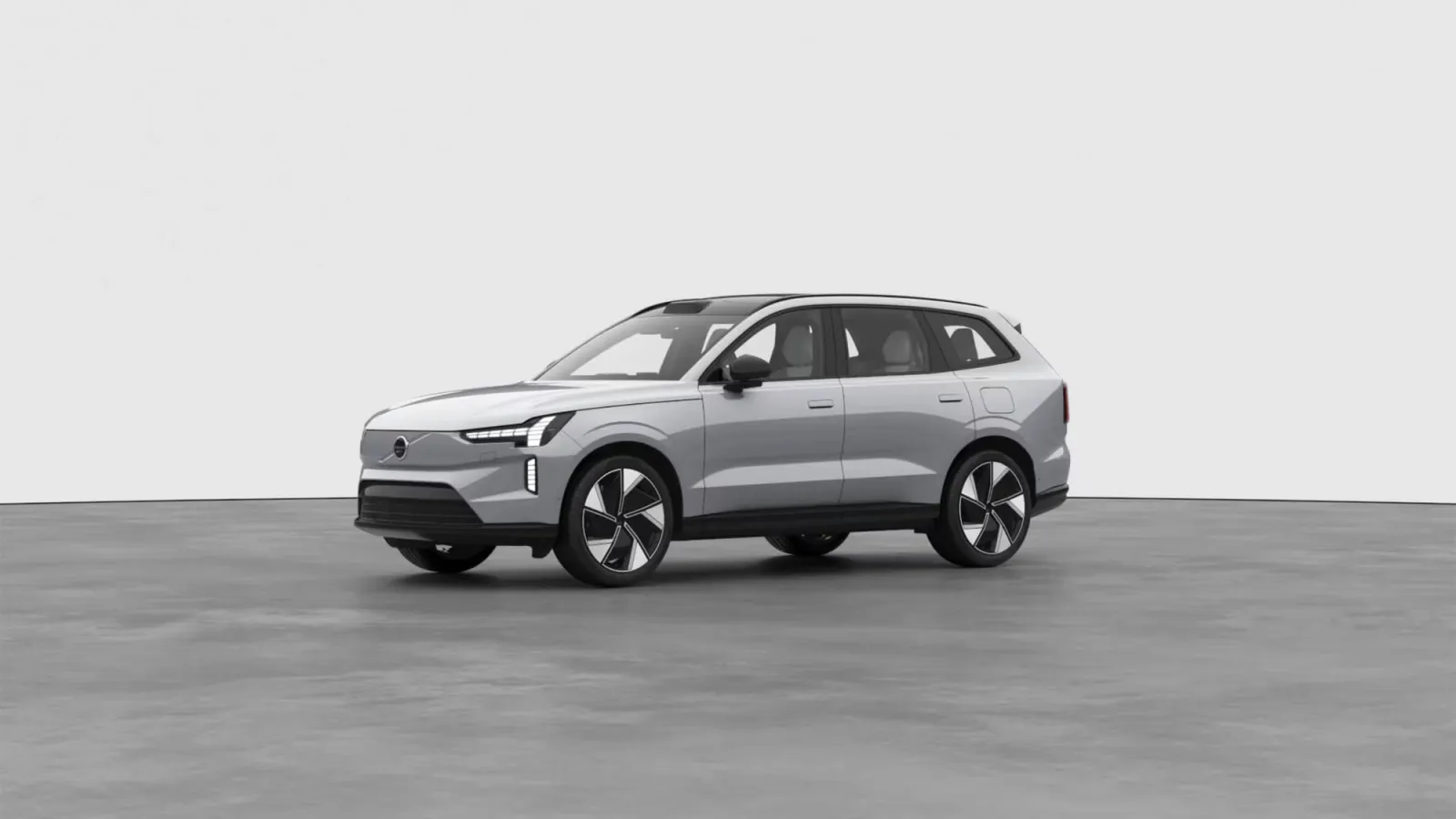
It's not without note that the EX90 is Volvo's first-ever three-row flagship SUV. A critical step for the company, it is built on Volvo's new SPA2 platform and is equipped with up to a 111kWh battery and all-wheel drive, powered by twin engines. The power versions include 408hp and 517hp and are claimed to have a range of 600km. Although the EX90 is a bit larger than the current XC90 in India, it has better aerodynamics and shares many design elements with its predecessor.
The EX90 is highlighted by a 14.5-inch vertically oriented touchscreen that controls everything from lighting and temperature to audio and other functions, running Android software from Google. The screen is fast, intuitive, and visually appealing, but it demands the driver's attention compared to the more tactile and physical controls of traditional systems. The EX90 is a huge leap in terms of design, driving dynamics, and technology. But now Volvo has gone on high alert considering the growing electric backlash in Europe and other markets.
A facelifted version of XC90 is due to hit roads in about two months, and top-spec plug-in hybrid variants are available at £84k while attaching a waiting list of three to four months. Meanwhile, the EX90 sold out to see up to eight months ahead, while a similar waiting period remains attached. Instead of developing proprietary software, Volvo has used Android for its interface and focused on using familiar software for an efficient, user-friendly system. This only reinforces the need for drivers to interact with the touchscreen while driving, something avoided by more intuitive, physical buttons or switches.
Spotted a mistake, or your photo used without permission? Report a correction












