Oscar de la Renta: The Essence of Elegance

The great American designer of Dominican origin, Oscar de la Renta, went on to become one of the most sought after designers in the world. Loved by First Ladies, socialites and stars alike, his recent demise at the age of eighty-two, reminded us of a glorious era of fashion; a time when savoir-faire met art de vivre.
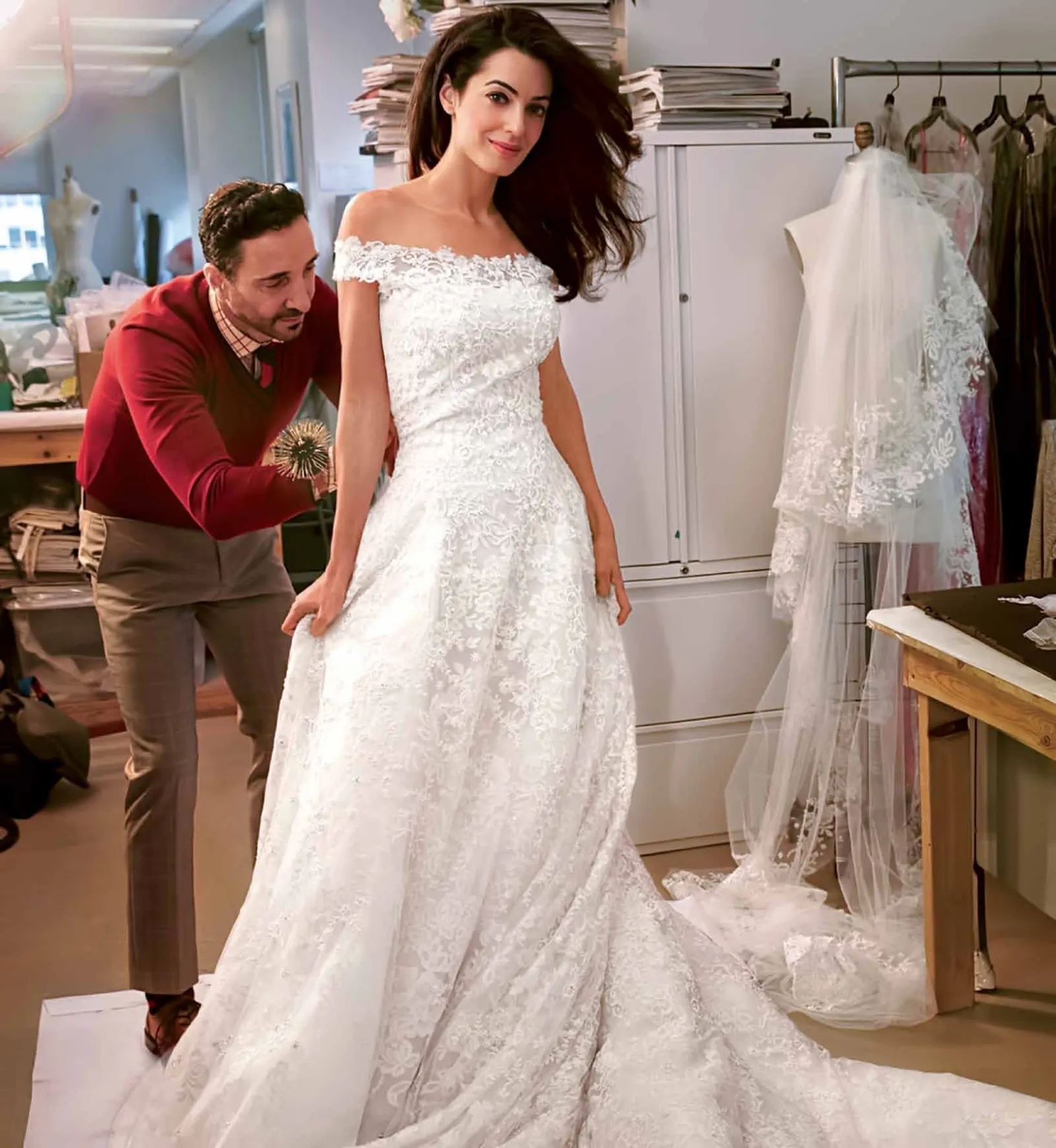
Clothes need to take a back seat; they must not be in conflict with the character of the one who wears them. There needs to be an agreement between clothes and the wearer,” de la Renta told L’Officiel in 1984. “A woman will choose one designer over the other because she sees a resemblance between him and her; they share secrets, so to speak,” he added. It comes as no surprise that this charming, diplomatic gentleman with the mesmerising eyes, had an enviable rapport with his clients. Refusing to succumb to the diktat of trends, the classic designer created wardrobes for his socialite friends Babe Paley, C.Z. Guest, Marella Agnelli, Marie-Hélène de Rothschild and Hélène Rochas. After having been introduced to the Kennedy clan by another great designer, Porfirio Rubirosa, he began designing dresses for the First Ladies of the White House-Nancy Reagan, Hillary Clinton, Laura Bush, and even Michelle Obama. He was also popular among red carpet queens like Sarah Jessica Parker, Penelope Cruz and Jennifer Garner. And just before his demise, he designed a magnificent ivory tulle dress for Amal Alamuddin for her Venitian wedding to George Clooney.
 L’Officiel India DigitalRead L’Officiel India in the digital libraryEvery issue and every cover story, on TCG Media.Read now
Timeless Luxury
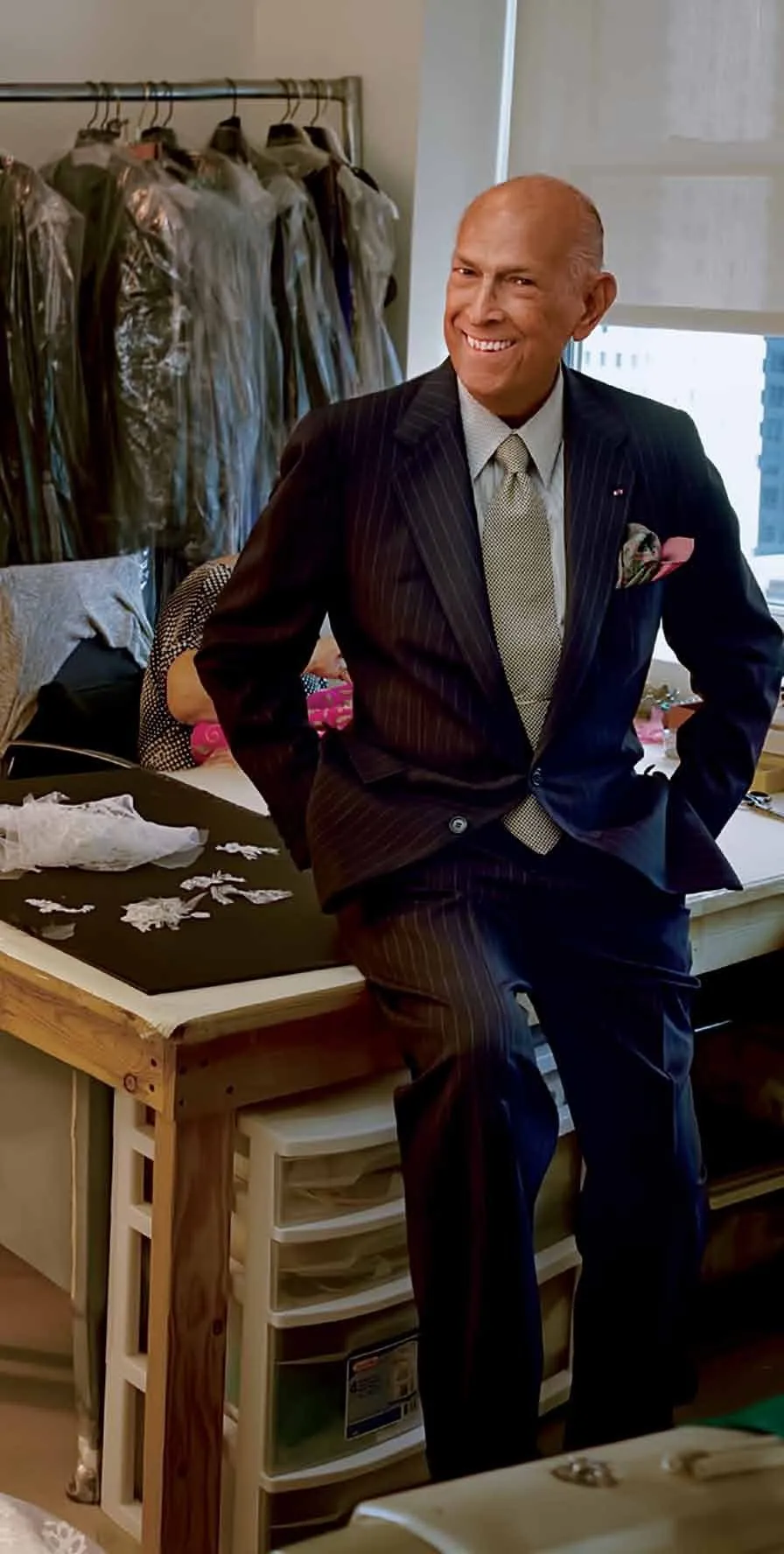
Born in 1932 in Saint-Domingue, de la Renta was the youngest son of a patrician family. His father worked in insurance, and surrounded by six sisters, the young de la Renta soon developed an inclination towards art, and wanted to become a painter. At the age of nineteen, he left for Madrid. But in post-war Spain, his newfound sense of freedom led him to the buzzing flamenco bars and cafés of Madrid, and he was tempted to start a career as a dancer. Instead, he met Cristóbal Balenciaga, and became a designer under him. When he wanted to go to Paris, his boss’ attempts to stop him did not prevent the young de la Renta from hopping on a train to Paris. Here he found a job with Antonio del Castillo at Lanvin in 1961. His next stop was New York, with Elizabeth Arden, who wanted to create her own couture creations. He then moved on to Jane Derby in 1965. After Derby passed away, de la Renta took over the company and put his own name on the label.
Classic Style
The designer’s spectacular, classic style seduced the world. His silhouettes were characterised by a blend of fitted corsets worn over romantic, colourful, long dresses. This sense of opulence in couture was seen in his Gypsy collection, which was showcased in 1967. His training in the Parisian style of haute couture rendered his work simple, precise and confident. He never got carried away by his own success and was gifted with a sense of humour as strong as his business sense. No wonder he ended up becoming a multi-millionaire.
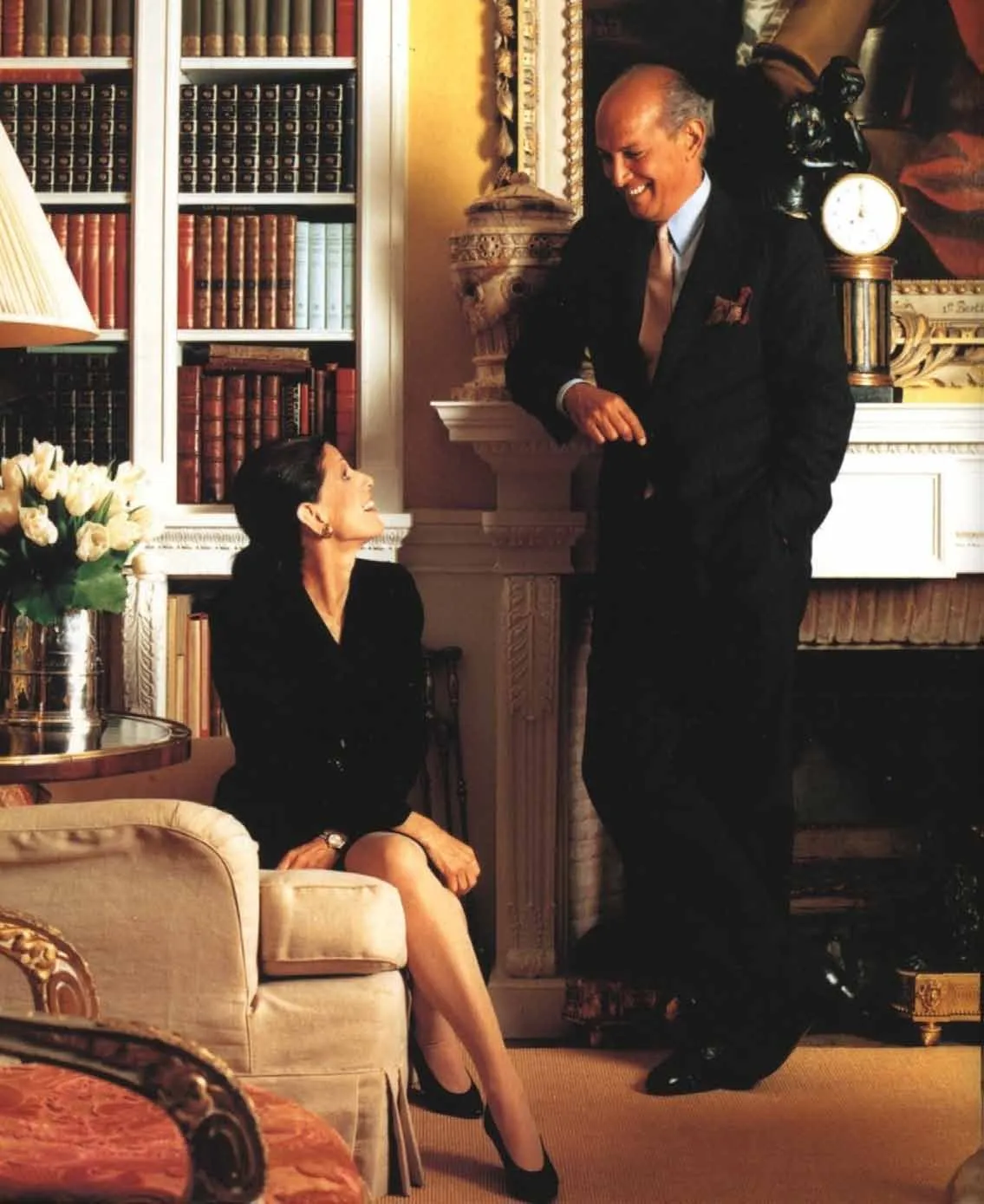
Between 1993 and 2002, he worked as Creative Director for Balmain in Paris. His clients appreciated his impeccable taste and refined style. Journalists expecting a more spectacular sense of creativity were often left underwhelmed by his understated, classic style. He silenced his critics one day when he said, “Never confuse what is happening on the ramp with fashion. The ramp is a show, a spectacle. It only becomes fashion when a woman chooses to wear those clothes.”
A Gentleman of Good Taste
Going by the stunning décor of his various residences, he was indeed a man of good taste. His two homes in Casa del Campo and Punta Cana in the Dominican Republic, have been widely photographed by interior magazines. Besides his New York residences, he also had a house in Kent, Connecticut, where he died.
He spent every summer in Punta Cana, surrounded by family and friends, amid good cheer. The house in question, a colonial mansion, was frequented by the likes of Bill and Hillary Clinton, and Nancy and Henry Kissinger.
Art de Vivre
The designer had an interesting philosophy towards the good things of life: “For me, luxury is not about buying expensive things. It is living in such a way that you can appreciate things.” De la Renta loved art and French culture, and married fashion editor and interior designer Françoise de Langlade in 1967. When she died in 1983, the designer met philanthropist Anne France Engelhard, the daughter of a mining magnate and ex-wife of a famous investment banker. They married in 1989, and soon became the It couple of the world’s socialite circles.
Eight years ago, when the designer was diagnosed with cancer, it did not stop his company from expanding by 50 per cent despite the uncertain economic climate. Boasting of a career that has spanned over five decades, the designer presented his last collection at New York Fashion Week last September. Besides his prêt-àporter collections and his perfumes, he leaves behind his wife Annette and his son Moises, three sisters, three stepchildren and nine grandchildren. His legacy will be carried forward by designer Peter Copping of the Nina Ricci fame, who was named creative director of the label a few days before de la Renta passed away.
“Never confuse what’s happening on the ramp with fashion.”
Signature Style
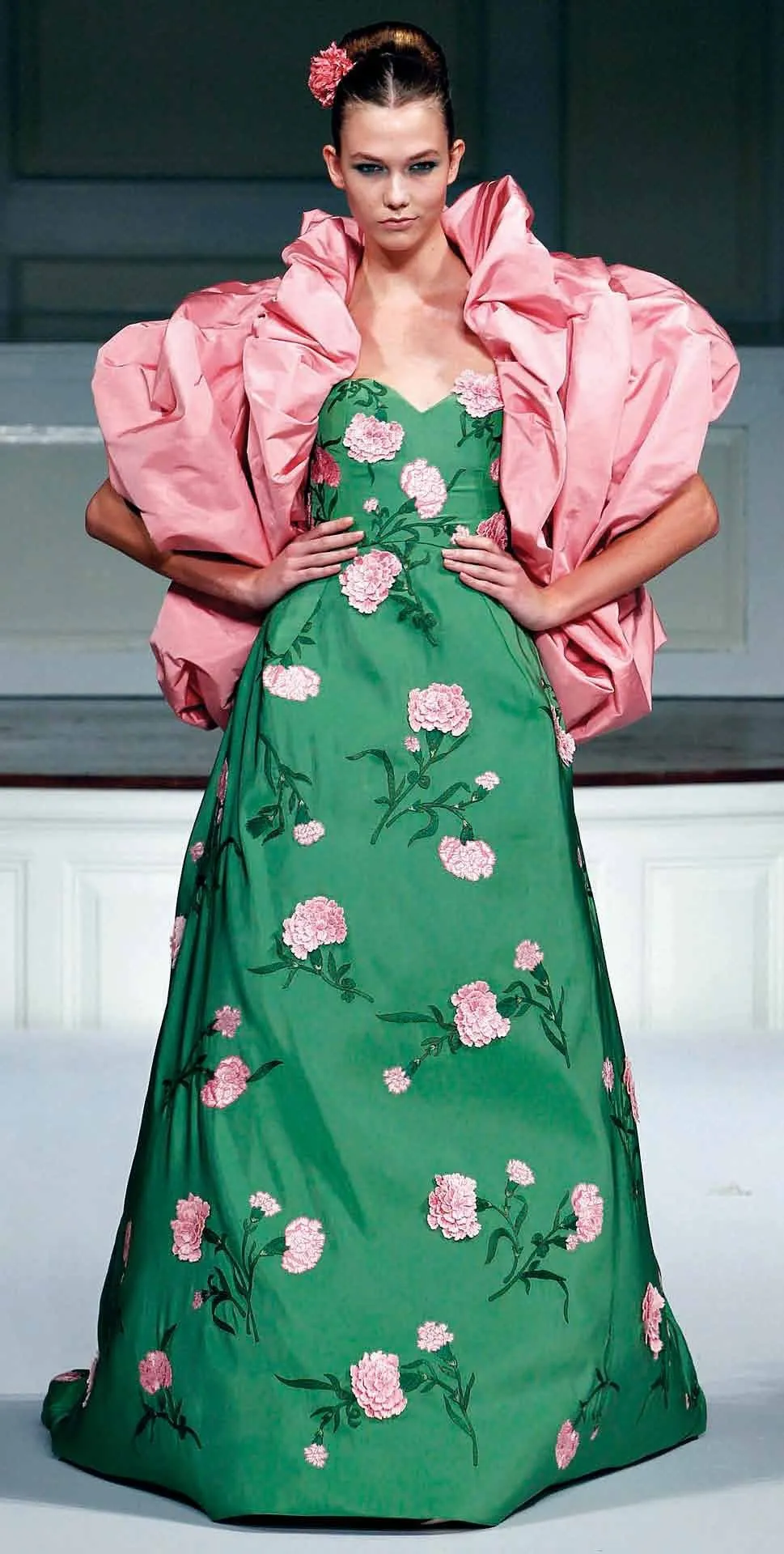
Oscar de la Renta’s creations inspired innumerable show-stopping, red carpet moments down the years. His collections, often made from unusual fabric of the highest quality and sewn with great attention to detail, evoked style and grace, with their contemporaryclassic appeal. Elusive silk prints, smooth silhouettes, beautiful ornamentation and bright colour palettes, were trademarks of the designer’s flatteringly feminine style. And his impeccably tailored, pretty blouses, feminine jackets and fabulous jewellery could make any woman look stunning. We take a look at some of the designer’s most extraordinary creations, often inspired by the tropical vegetation of the island of his birth, Saint-Domingue.
Silk prints
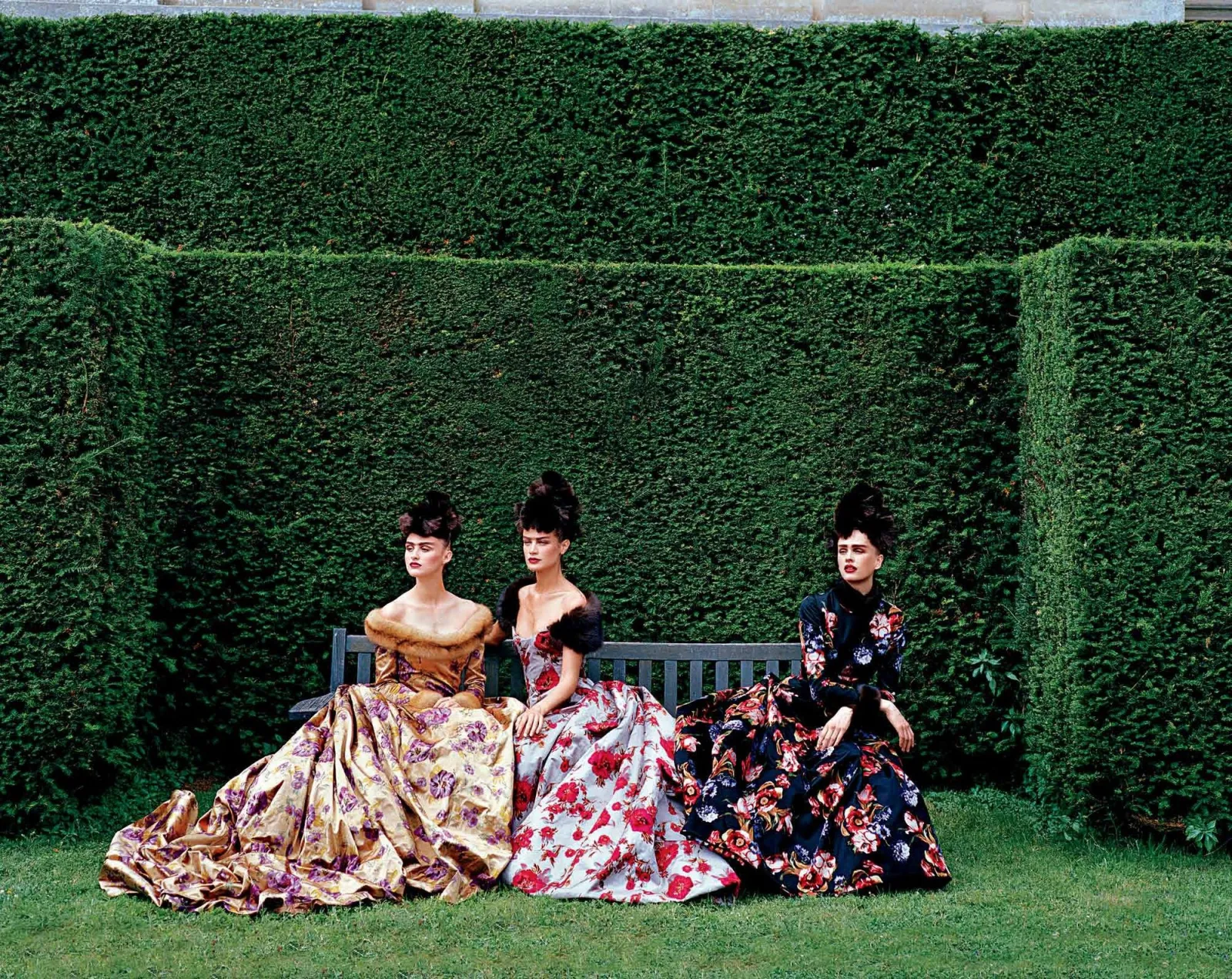
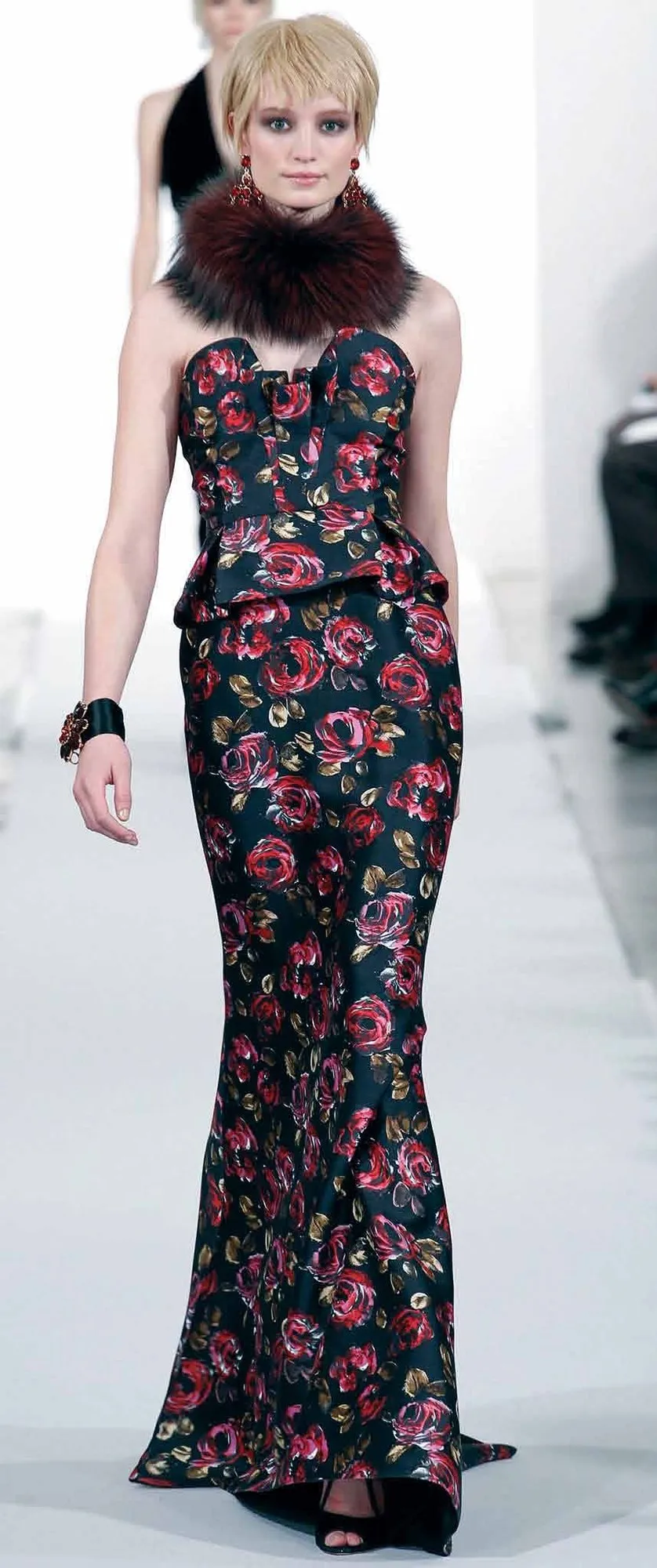
The designer’s famous silk prints exuded sophistication and elegance. Cleanly tailored, and handcrafted from the finest, smoothest, crispiest silk by skilled artisans in New York, these silk print pieces made for superior luxury wear, and were worn by socialites and A-listers. Some of his exclusive prints were inspired by art and paintings, like the Japanese cherry blossoms that were finished with a puff print flower. De la Renta’s love for prints and floral patterns can be seen in full bloom in this elegant silk faille tulip skirt in a floral print, and beautiful evening-wear piece.
Soft silhouettes
Flatteringly soft silhouettes with full skirts and cinched waists, often rendered in soft hues and floral patterns, are trademark de la Renta. The designer created the effect by detailing the shoulder with smooth shoulder lines in the tucked torso of a dress. His evening clothes reflect the same crisp handling of varied silhouettes; his breathtakingly beautiful strapless gowns were made of soft silk taffeta in layered ruffles, fitted at the waist and bust with an in-built corset, subtle bust padding, and with a soft waist shift, in brightly coloured silk. His dance dresses in the Spanish silhouette, with their tight long torso bodice and double flounced flamenco skirts, remain yet another de la Renta trademark.
Handcrafted embroidery
The designer’s ornamentation and embroidery were complete bespoke creations. His sequined embroidery dresses and black tulle cocktail dresses with their illusion necklines and sheer skirts, stay etched in our memory, and his hand-painted gold flowers with their jet-black beading and glass crystal are some of his most well-crafted pieces. His masterpiece collections were often inspired by Japanese art and fashion; his signature navy silk faille coatdresses featuring Japanese maple leaves embroidered on silk faille, were an intricate mix of bronze lame appliqué leaves, natural mother-of-pearl square paillettes and tonal glass caviar beaded vines. Crafted to perfection in New York, using the finest artisan techniques, some of these intricate handcrafted creations took more than 175 hours to make.
For his extraordinary craftsmanship, Oscar de la Renta remained one of the most loved and celebrated designers in the American fashion industry, right up to his death in October 2014. And his legacy continues to live on.
From the December 2014 issue of L’Officiel India.
Spotted a mistake, or your photo used without permission? Report a correction