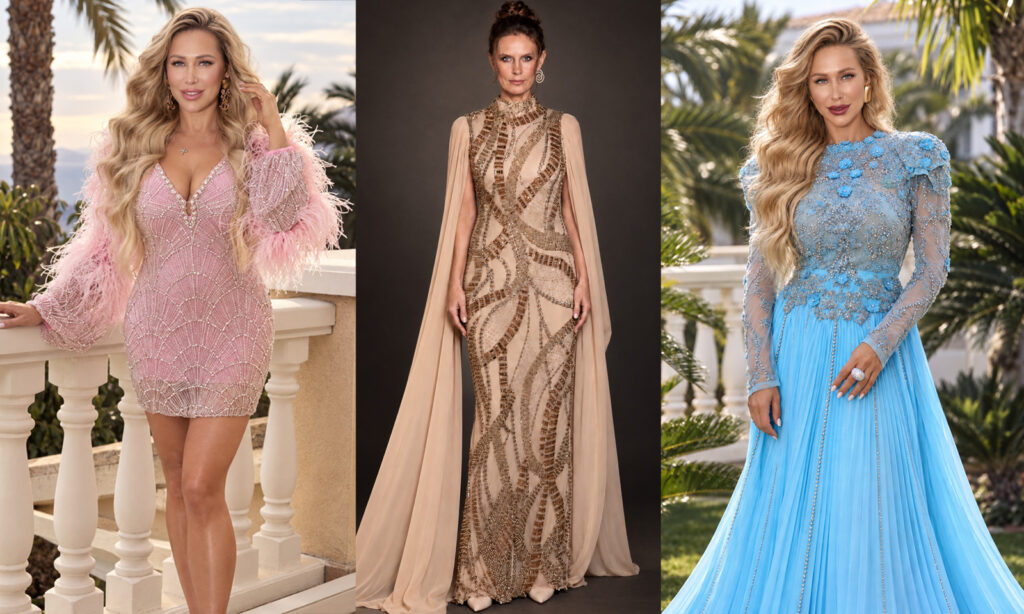
Northeast Fest 2020: Upscale meets Upcycled
A shift is being observed from fast fashion to slow and eco-friendly couture practices where even the most high end fashion brands are aiming for upcycling.
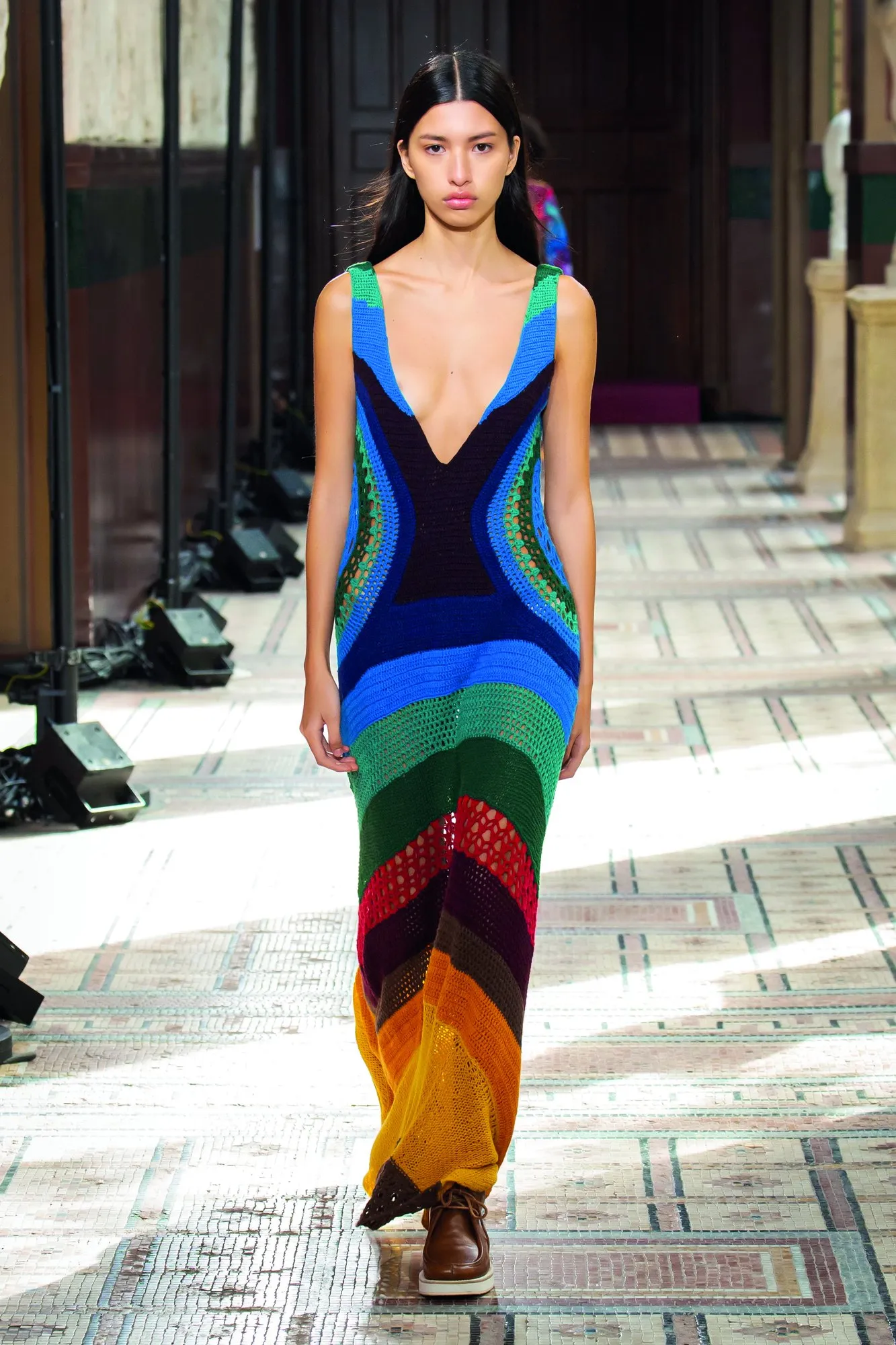




When Balenciaga’s courtier Demna Gvasalia launched its AW21 collection ‘Afterworld: The Age of Tomorrow’, the virtual reality runway demonstrated the dystopian world but at the same time instilled hope for a better future anchored by a balance between mother nature and fast-growing fashion industry.
There have been many brands and renowned designers who have been piloting the idea of sustainability in the past couple of years and by December 2021, many brands have already taken some incremental measures.
 L’Officiel India DigitalRead L’Officiel India in the digital libraryEvery issue and every cover story, on TCG Media.Read now
From Gabriela Hearst reportedly using 60% of deadstock in her SS21 collection ‘Retrofit’ and trying to “fix the planet” to Prada diving deep in the ocean waters to extract regenerative Nylon harnessing plastic waste, the fashion industry is trying to cut down on fast fashion and imbibe sustainability.
"People have learnt to survive with minimal means after Covid-19 pandemic. I feel the trend would be more for comfort, eco friendly and simple dressing rather than loud fashion”
The need to go green stems from fast fashion being a major contributor to pollution. This happens when high volume of cheap, easy to dump off products invade markets leading to massive clothing waste as brands need to dispose of the past collection to make space for new arrivals. Moreover, the process right from the procurement of raw material to the creation of product and shipment leads to more and more burning of fossil fuels and release of greenhouse gas emissions that warms and harms the environment.
Research by McKinsey and Company revealed that the global fashion industry produced 2.1 billion tonnes i.e. 4% of total GHG emissions in 2018. If no serious action is taken towards sustainability, the emissions are likely to rise to 2.7 billion tonnes by 2030.
With upscale brands now taking some transformational steps for upcycling, here at home, designers from Northeast India are pioneering eco-friendly fashion by reviving the region’s rich textile heritage.
We talked to the innovative designers gracing their collections in Northeast Fest 2020, a 2-day reverie where seven sisters and a brother joined forces over food, fashion, arts and culture.
Arita Kashyap
Guwahati-based Arita Kashyap who works under the label Doyna is replacing fash fashion with slow, organic and eco-friendly couture. Her designs at the Northeast Fest 2020 had sustainable textiles like Tassar Silk and Khadi dyed and printed naturally.
“We have used Eri Silk and Khadi as they do not leave any carbon footprint when they are disposed of. Khadi dyed in natural dyes becomes softer and reusable. We used onion skins and turmeric for dye and plant-based printing techniques to make the whole process more organic.”
Northeast is abundant in natural dyes extracted from plant sources like Nettles, Saffron and Madder (Rubia spp.) that are in use since time immemorial. These, along with many other dye yielding plants are scattered on the rich topography of Assam that Arita aims to streamline in her creations.
The natural printing, bleaching and organic materials used in making the couture make designs more long-lasting in contrast less durable clothes.“The moment we say no to fast fashion and yes to slow fashion, we try to bring the rural to global.”
She added how her sustainable fashion line gives livelihoods to the weavers from Bodo, Mishing and local Assamese communities. “We are working with 45 weavers directly and over 30 others who materialise our creations. We try to make sure they keep learning throughout the year and have a good livelihood ahead for which we pay them more than the market rate. If they keep growing, we all will!”
“When we will grow products from natural resources, it shall imperatively generate a need to produce more green cover.” She predicts that with a more aware population who cares about carbon footprint, sustainability is going to rule in the future fashion world.“People have learnt to survive with minimal means after Covid-19 pandemic. I feel the trend would be more for comfort, easy-breezy, eco friendly and simple dressing rather than loud fashion.”
Barsha Aditya Singh
The Guwahati-based designer, Barsha showcased a shimmery collection of contemporary gowns made of Mulberry silk in the NEF 2020. In the past editions of the fest, she has showcased Muga Silk gowns. Muga, Eri and Mulberry silk are the wildest and most organic silks, prominently found in Northeast.
Barsha apprehended the global demand to work with natural and indigenous textiles of Northeast for her couture. "During an October 2018 exhibition in Singapore, I was exhibiting a collection of traditional Indian lehengas. But what caught the attention of people was the local handwoven Mekhela Chador that I was donning. They were so enamoured by the local attire that after returning back to India, I received heaps of orders for the Mekhela Chador.”
For the unversed, Mekhela Chador is a two-piece indigenous saree like attire worn by Assamese women. Its bottom includes a cylindrical skirt aka Mekhla while the top Chador is draped around the chest. It is made of Muga, Eri, Mulberry silk and that gives it a glossy off white colour and enhances its traditional glory.
Yana Ngoba
Designer Yana Ngoba who hails from Arunachal Pradesh showcased her collection made of Eri silk. Called as the ‘Queen of Silks’, Eri silk is known as a non-violent aka ‘Ahimsa Silk’ because it is processed without killing the silkworm in the harvesting.
Eri silk is durable, strong and is widely used in curtains, bed covers, cushions, home decor items, that Yana also specializes in making.
Her label Organic Bloom believes in the motto of “local to vocal”. It seeks to harness the power of organic textiles from Northeast like Muga, Eri, Jute, Cotton, Wool, Ramie that promote sustainability.
Spotted a mistake, or your photo used without permission? Report a correction