In the Midst of a Design Renaissance




If you’re thinking intricately latticed minarets, juicy jewel shades, gold hookahs and silk carpets, think again. The region most identified with opulence is seeing the rise of a new generation of contemporary design talents. We pick three torchbearers from three Middle Eastern cities, who are setting new standards in world-class design.
AUTOBAN–ISTANBUL
 L’Officiel India DigitalRead L’Officiel India in the digital libraryEvery issue and every cover story, on TCG Media.Read now
In the city that historically straddles the East and West, a design studio is bashing out a prolific, progressive architecture and interior projects, along with an edgy, in-house high-concept product line. Having moved their offices last year, to the business district of Levent, Autoban has expanded its studio to a gallery, library and workshop area along with an exclusive selection of design objects. This is where you’ll find their signature designs, including the oversized Cloud Table, which exemplifies the studio’s work with natural materials.
“We have great loyalty to the historical richness of the city and a colossal excitement for modernisation,” Autoban founders Seyhan Özdemir and Sefer Çağlar enthuse. “As designers brought up and still living in Istanbul, we had the chance to breathe in a multicivilisational and multi-cultural environment on both architectural and social levels.” A case in point is the Turkish Airlines CIP Lounge that Autoban designed in 2011. Aiming for a ‘contemporary Turkey experience’, they turned to traditional roadside inns (kervansaray), century-old mosques and the famous Grand Bazaar for inspiration. In their work for the new terminal at the Heydar Aliyev International Airport, they blended the hospitality, craftsmanship and warmth of Azerbaijani values, with forward-thinking, global design points. Another fine example of Özdemir and Çağlar’s ‘globally Turkish’ design philosophy is a project from their burgeoning overseas portfolio; the duo has incorporated vivid blue handmade Turkish Iznik tiles into the interiors of London’s Babaji Restaurant even while keeping its hipster Soho vibe intact.
ALÃAN ARTSPACE, RIYADH
A four-year-old art hub based in the capital of Saudi Arabia, Alãan (which translates as ‘now’) is a chic platform for contemporary artists to cultivate engagement with Arab audiences via interactive events. With a stunning street level space, a library and curatorial support, it has an eclectic vibe–a modern take on the majlis culture-that’s got locals and outsiders excited.
From organising artist talks to setting up Riyadh’s first pop-up designer event, CRATE, Alãan Artspace’s Founder Director Neama A. Al-Sudairi continues to be bullish on, ‘a sense of urgency and opportunity’ in the city’s design and art space. An anthropologist and professional photographer, Al-Sudairi has earned her Fine Art chops from New York, Boston and Paris. Her passion for the ‘universal potency’ of art has contributed richly towards changing the Saudi art landscape.
From Ehab Mamdouh’s exhibition, ‘Muqueem,’ illustrating contemporary Islamic art–the Egyptian artist has adapted the human form into geometric symbols, representing the five postures of prayer–to an event called ‘Soft Power’, discussing the theme of ‘Riyadh versus Jeddah’, Al-Sudairi’s nouveau art space is working on several levels, with an exciting line-up of events in the coming months and the new year.
WHITESPACE ARCHITECTS-DUBAI
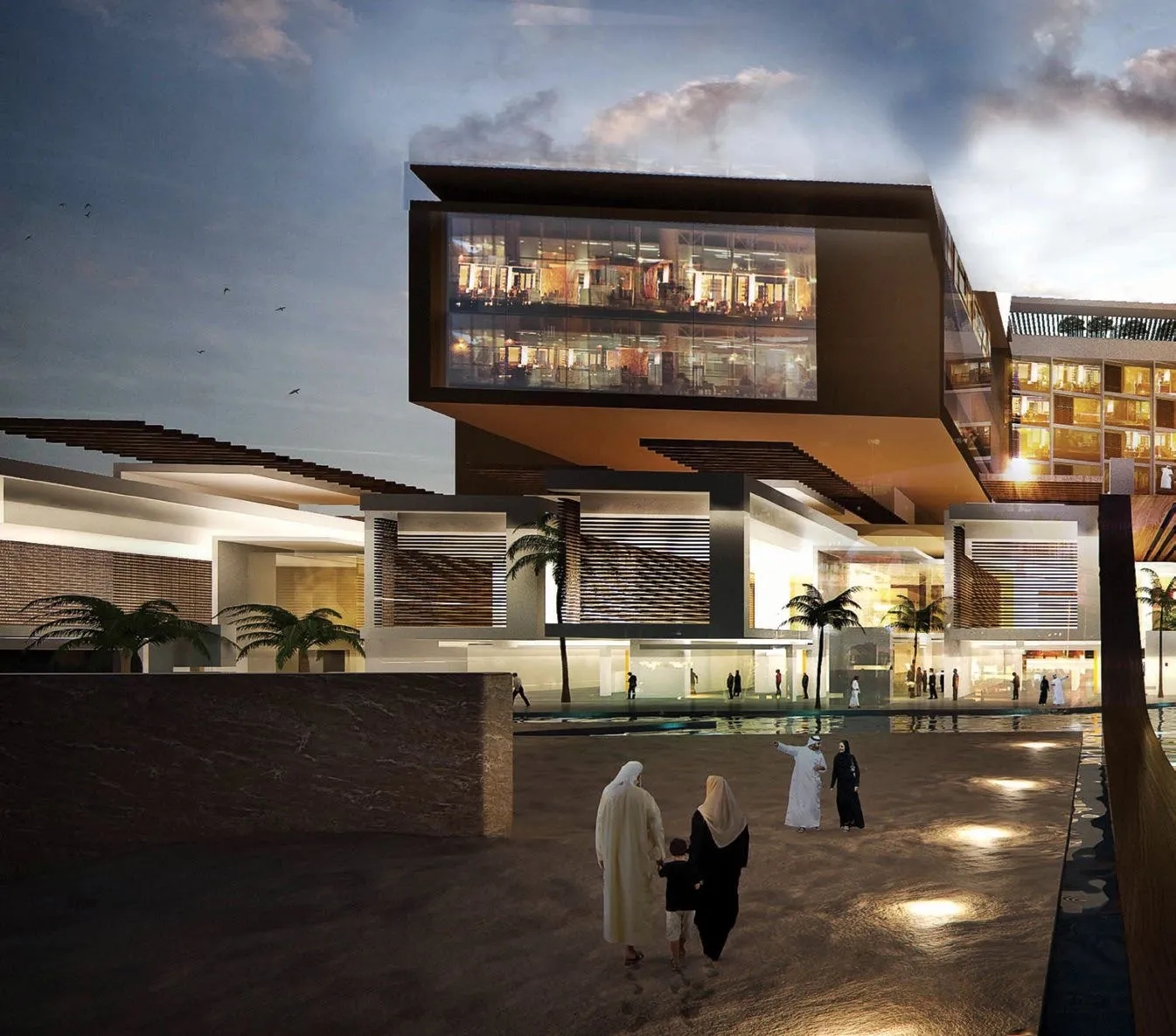
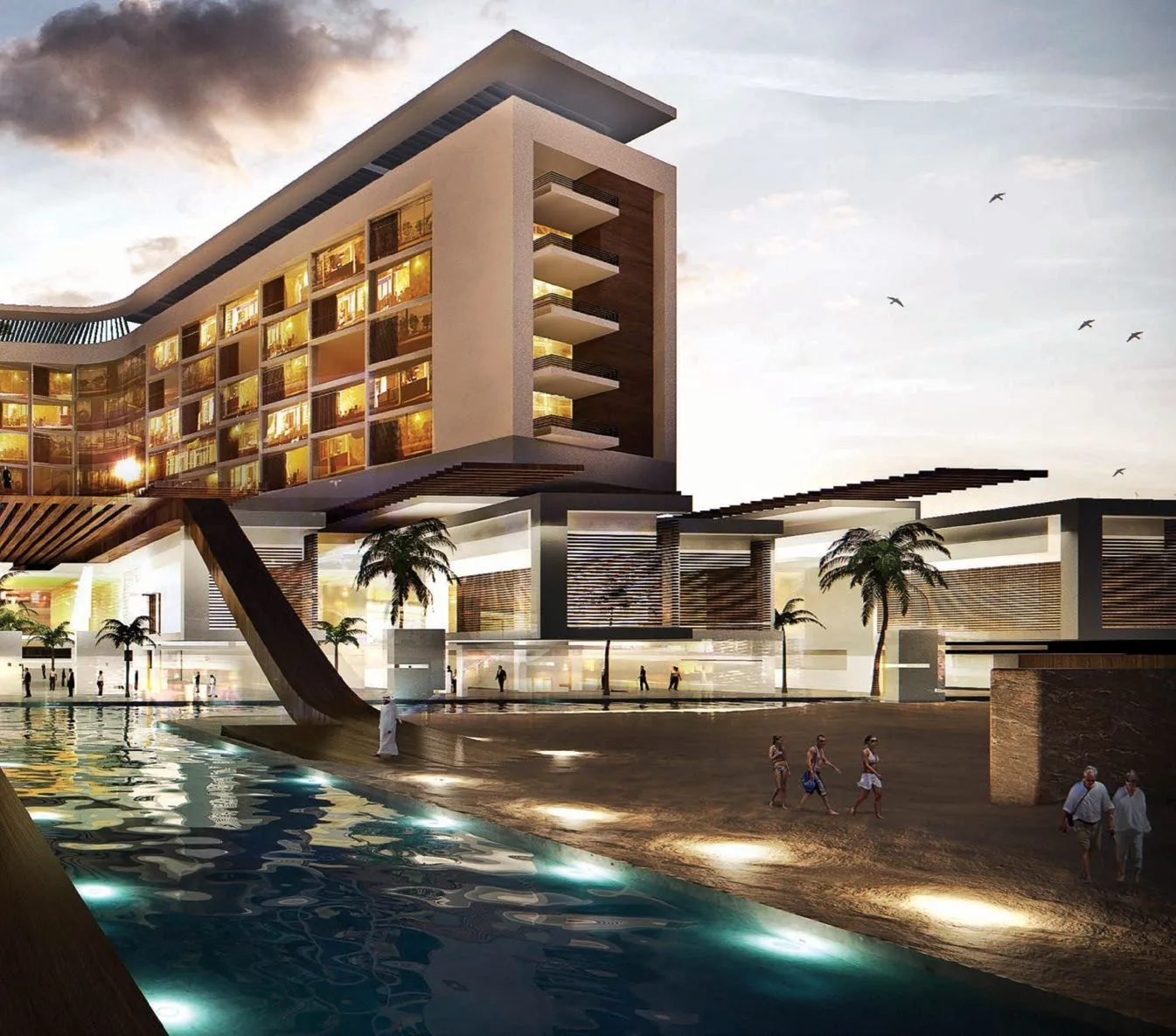
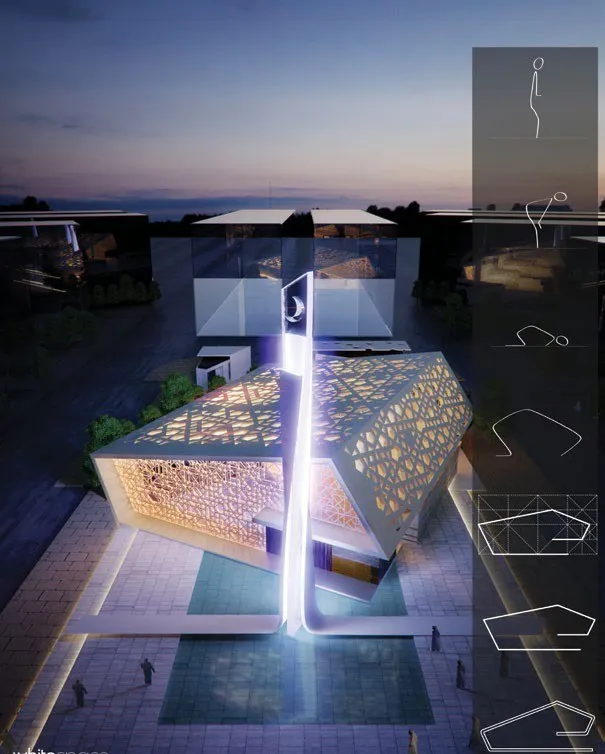
Dubai sharpened its globalisation chops faster than anywhere else in the Middle East, and continues to lead cutting-edge design across the world. Blending its often-ignored cultural heritage with futuristic elements, Whitespace, a consortium of architects, researchers and urban designers, is rolling out world class projects throughout Dubai, Sharjah and Abu Dhabi. Co-founder Yasser Abuelnasr is passionate about the company’s unique vision, that of ‘a pragmatic utopian architecture that steers clear of the petrifying pragmatism of boring boxes and digital formalism’.
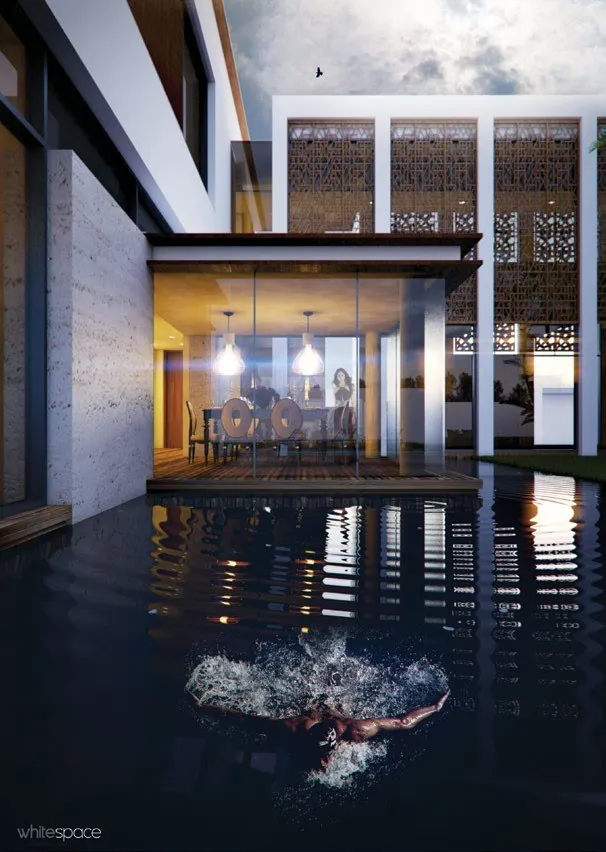
Whitespace’s trend-setting portfolio includes its 2012 work on the Palm Jumeirah Hotel, which breaks the trend of towers and podiums and moves towards a more sustainable design by creating a more user-friendly internal urban form. Of its many standout residential projects, The Floating House is a study in modernist luxury, typical of the company’s organic approach to design. While he describes the company’s aesthetic as “modern and innovative with a sense of place and culture”, Abuelnasr is also emphatic about the role that their geographical location plays in their work. “Our projects are all about the relation between the contexts and surroundings. The Middle Eastern climate is a key element in this design progress. We see the landscape as an extension of the internal spaces. There are water features and greenery, providing cooling for the outside and forming a décor for the interior space. The play of daylight creates a changing scenery in the projects. For sustainability, we try to reduce energy use by keeping the heat out but use its sources to create the energy we need.”
From the July 2016 issue of L’Officiel India.
Spotted a mistake, or your photo used without permission? Report a correction