
Mater: Simply Complex
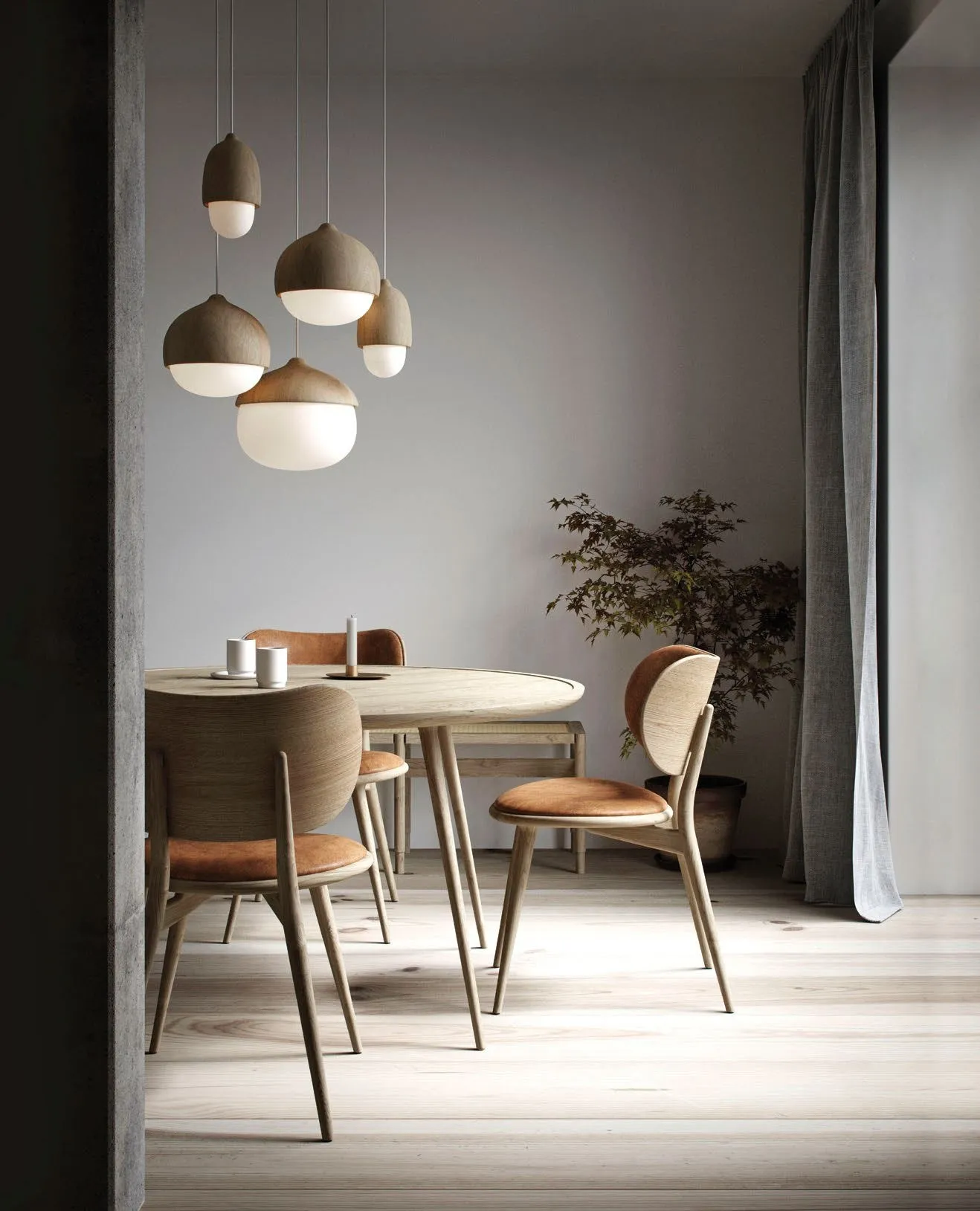




Scandinavian designs are not just about uncomplicated structure and clean lines. It is a functional philosophy.
There is something captivating about Scandinavian designs, even if it finds its origin in functionality, not vanity. Clean lines, earthy colour palette and practical, with liberal use of wood are its essence. Recently, there has been a surge in their acceptability and popularity, even in India, where heavy, more intricate furniture has been preferred. We spoke to Henrik Marstrand, CEO & Founder of Mater, a Danish design brand to understand what’s the buzz about recently concluded Salone del Mobile 2019 in Italy and their India connect.
 L’Officiel India DigitalRead L’Officiel India in the digital libraryEvery issue and every cover story, on TCG Media.Read now
What is the essence of Scandinavian design philosophy? Do you think its acceptability is increasing globally?
Scandinavian design’s DNA consists of timeless shapes, honesty in usage of material, clean lines, and attention to craftsmanship. It’s definitely becoming more popular globally. There is a general shift in the desire for lighter materials, especially wood, but also there is a general interest globally in how we live and the products we have around us. There has been a great focus on Danish food and interiors of leading restaurants, which has without a doubt, helped businesses reach a global audience.
There is a lot of buzz around design events. How do these events, say Salone del Mobile, help designers and brands?
Salone del Mobile is the world’s biggest design event and attracts more and more visitors every year. Leading global architectural practices and retailers only select a few fairs every year to visit and this is why it is important for so many brands to have a presence there.
In India, we have a very strong influence of our culture on our design philosophy. We still believe in handcrafted products over mass-produced lines. Can you relate to this?
Absolutely. India is home to such amazing crafts. Understanding the crafts in a sustainable manner, both in terms of material and production, to preserve our environment is vital for us too. The constant growth in business and high demand for products give more and more craftsmen the opportunity to work. Having said that, some products like the Ocean chair made from waste plastic and fishnet are meant for mass production and made by machines. Understanding production skills and the right design applicable to local skills is a vital part of production success.
What is truly needed to make a brand like yours sustainable? Do you think sustainability has a flip side and that we tend to spend uncontrollably in order to keep the product sustainable, without having real control on the process?
Sustainability is very hard to define. For me, it breaks down to “good stories” that a modern audience can relate to. Our production and process are transparent for everyone to look into if they want. We must put all the information forward and tell everyone openly about what we do, then let people make up their mind. I am constantly looking for products that connect to a design oriented audience, which means topics such as upcycling, recycling, and waste management become even more important for us. I do believe that consumerism is here to stay and we, as manufacturers, have a responsibility to make fantastic products out of waste materials. If we can motivate people to spend their money on these products, it in turn will help clean up our planet. You must think and motivate people to consume responsibly and maybe spend a little less on useless items. Imagine if we sell so many Ocean chairs that we run out of fishnet waste... that would be something.
Tell us something about the beginning of Mater.
Mater was founded in 2009 with a desire to pioneer sustainability and craftsmanship with great design. Mater means mother in Latin and our name reflects that being back to values of protecting mother earth is the way forward. Our values also support the UN Global Goals for sustainable development and all new launches comply with several of those goals, such as efficient use of energy (LED lamps), responsible consumption (recycling, upcycling, circular economy), protecting life on land (well managed forests) and protecting life below water (ocean plastic waste cleaning).
What were the challenges you faced in the formative years?
It was a struggle to get manufacturing partners to commit to our values and ethics in the beginning. Today, however, we have established great partnerships and the growth of our business, even as the demand for product proves that it makes commercial sense to make the changes in production and work with various waste materials.
How do you think the products that you have on offer are different from others?
We are constantly in search of new ways of converting waste products into new pieces. It is super exiting. Take for example our Ocean collection that makes us the first brand to roll out products made with ocean waste such as fishnets. The dining chairs from Space Copenhagen is a follow up on our successful high stool.
Where are the products manufactured?
We manufacture mainly in Europe to reduce our eco footprint, but also make sure that the wood comes from well-managed forests through the FSC program. We also have manufacturers in India mainly working with waste mango wood (for our Bowl Table range), which allows us to work and support master artisans.
What are the raw materials you usually use? Where do you source them from?
We mostly use wood. It is not only important that we can trace each chair back to its origin through the FSC certification, but also to ensure that there is a controlled process of replantation. Our main materials are beech and oak wood from Europe. When we launched Nova, we were first one with a chair made entirely of recycled excess pieces of beech veneer. It is not only important for us to secure responsible sourcing of wood, but also what can be made out of the waste. Waste mango wood from India is also a major source for us. Once the mango tree ends its productive life as a fruit tree, the trees are cut and new trees are planted. We source the waste wood to craft our products. It creates value in the production chain of a resource that essentially has little value.
How many collections do you launch in a year? Where do you retail from? What is the price range?
The last few years have been busy with new launches in lines of furniture, lighting, and decor accessories. Over 50 products have been launched in the last two years. More are in the pipeline for 2019. We retail through design shops across many countries as well as from our e-commerce portal and showrooms in Copenhagen, London, and Hamburg. We have products ranging from €100 onward. The price for limited bespoke collections and sofas can go up to €5,000.
What are your plans for the coming years? Any big projects in the pipeline?
We are currently involved in a very large hotel renovation project where we are taking the waste from within the hotel and processing it into new furniture and lighting that will go back into the renovated hotel. We are more and more involved in the process of converting different waste products into new production technologies. We are also working to convert beer waste into fibre as well as new ways of adding more waste wood fibres into production methods that are already in the market. The future looks bright and the rate of innovation grows rapidly, which is good for the entire industry.
From the May 2019 issue of L’Officiel India.
Spotted a mistake, or your photo used without permission? Report a correction












