
Japandi 2.0 is the Future of Zen Design
Whether you’re revamping your home or starting fresh, Japandi 2.0 gives you the freedom to create a space that’s sophisticated, tranquil, and undeniably cool. Ready to dive in? Your zen awaits, with just a hint of drama.
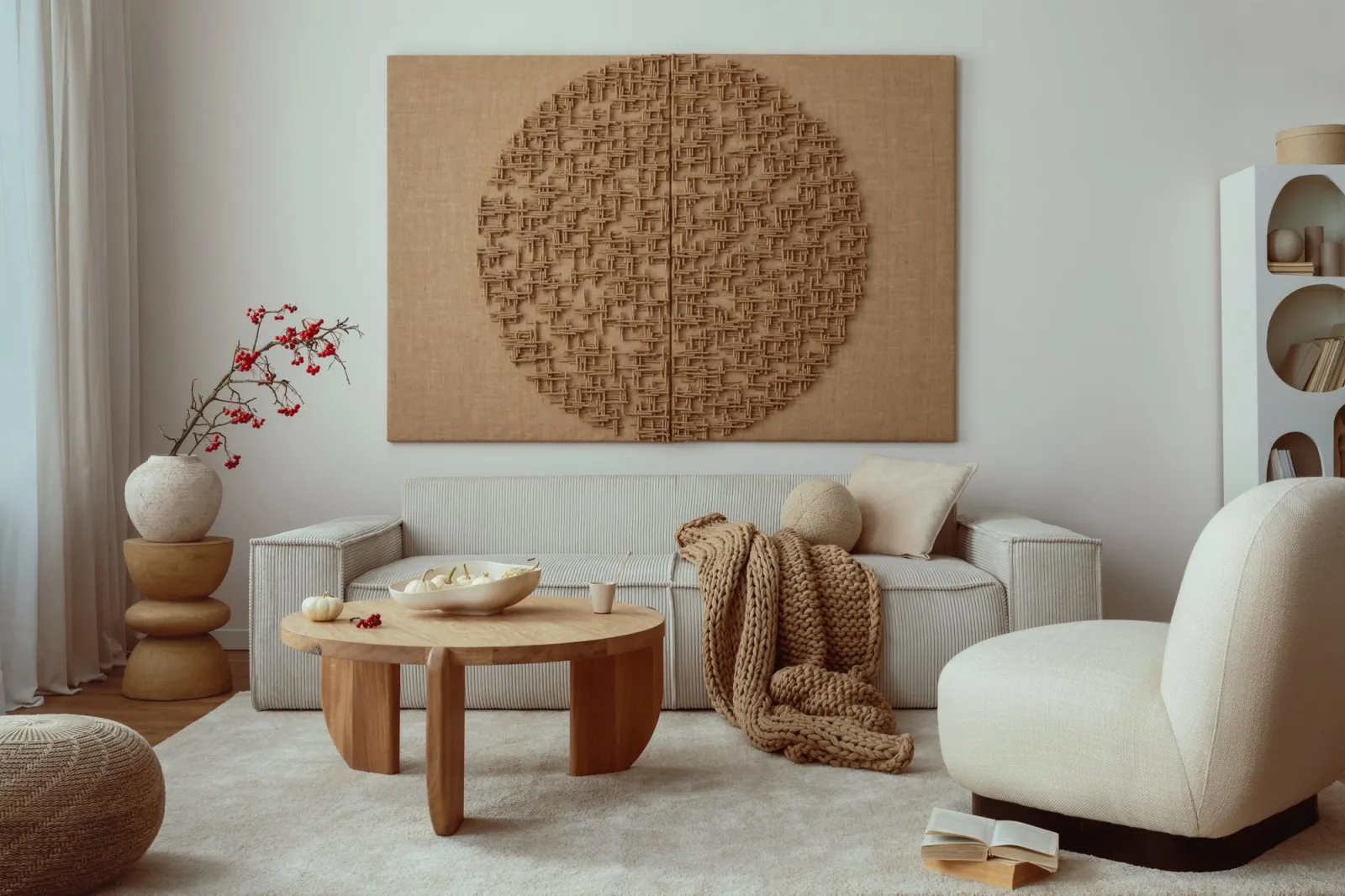




Japandi, a hybrid of Japanese and Scandinavian design principles, has long been celebrated for its calm minimalism, neutral tones, and clean lines. But as we step into the future, Japandi is undergoing a major transformation—enter Japandi 2.0. This updated version of the Zen-inspired aesthetic brings bolder contrasts, deeper hues, and a touch of drama, all while retaining the core values of simplicity, functionality, and tranquility.
Japandi has always emphasized minimalist principles, focusing on uncluttered spaces, natural materials, and functional beauty. Japandi 2.0 builds upon this foundation but adds a layer of depth with richer color palettes and dramatic contrasts. Think of the classic soft neutrals and natural wood tones now being complemented by darker woods, black accents, and deep greens—textures that evoke a sense of quiet luxury while maintaining the serene, balanced atmosphere that Japandi is known for.
 L’Officiel India DigitalRead L’Officiel India in the digital libraryEvery issue and every cover story, on TCG Media.Read now
Color Palette: Embrace the Drama
The color palette of Japandi 2.0 is one of the most notable departures from its predecessor. While traditional Japandi leaned heavily on pale neutrals like beige, soft greys, and whites, the new version is all about bold contrasts and rich, moody colors.
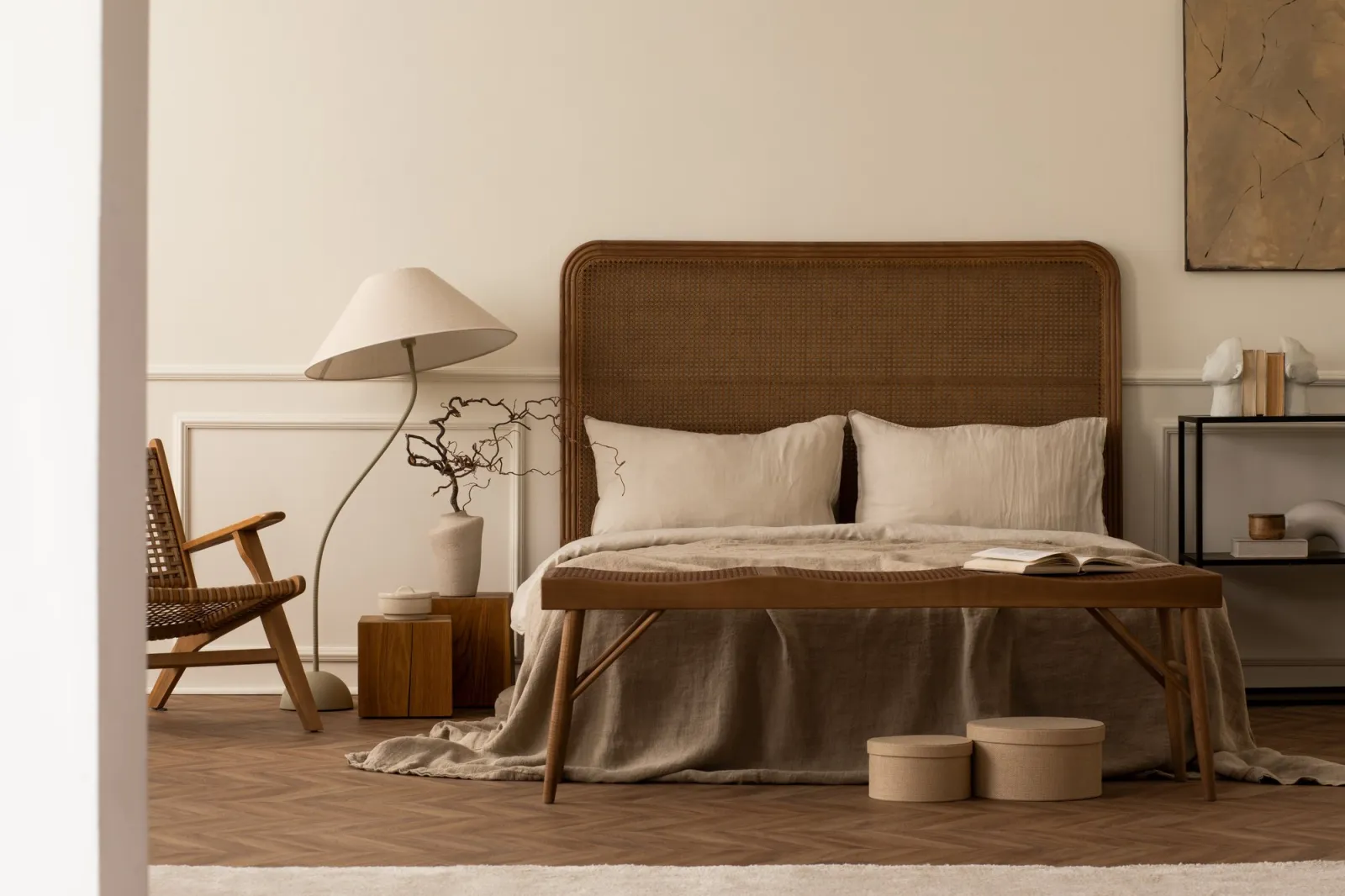
Japandi 2.0 builds upon this foundation but adds a layer of depth with richer color palettes and dramatic contrasts.
Dark Woods & Black Accents: Dark woods, such as walnut, ebony, and charcoal oak, take center stage in Japandi 2.0, replacing the lighter tones of pine and bamboo that once defined the style. The introduction of black accents—from matte furniture to black-framed windows—adds a sense of depth and elegance to spaces that were previously more subdued.
Deep Greens & Earthy Tones: The calming presence of deep green hues is a standout in this new iteration, adding an organic richness that evokes a sense of connection to nature. Think mossy greens, forest tones, and even deep olive. These tones are often paired with earthy browns, terracotta, and beige to create a balanced yet grounded environment.
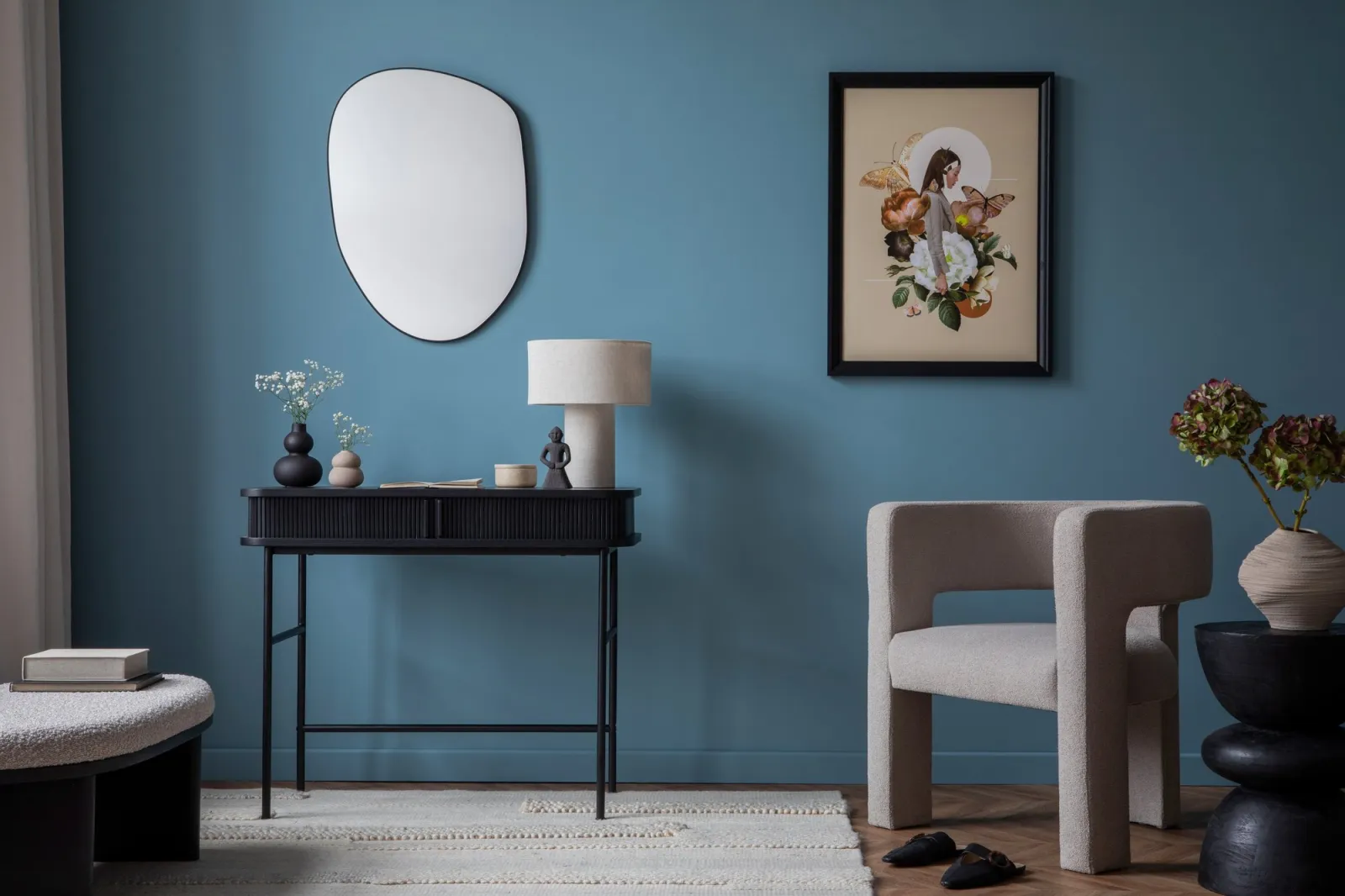
Gold and Brass for Accent: To elevate the minimalist design further, Japandi 2.0 incorporates small but striking touches of metallics—brass or gold. These accents serve to break up the monotony of the earthy tones, adding sophistication and warmth. It could be a sleek brass light fixture or a gilded mirror that punctuates the quiet sophistication of the space.
Materials: The Luxe of Nature
Japandi 2.0 continues to rely heavily on natural materials, but with an added emphasis on tactile experiences and luxurious finishes. The focus is on quality over quantity, selecting materials that feel authentic and are built to last.
Wood: The continued use of wood is a cornerstone, but the emphasis has shifted toward dark, rich grains like walnut and teak. The grain pattern adds character to furniture, flooring, and walls, creating visual interest while still honoring the Zen-inspired principles of simplicity. Textured wood finishes also play a role, offering a contrast to the smooth, polished surfaces.
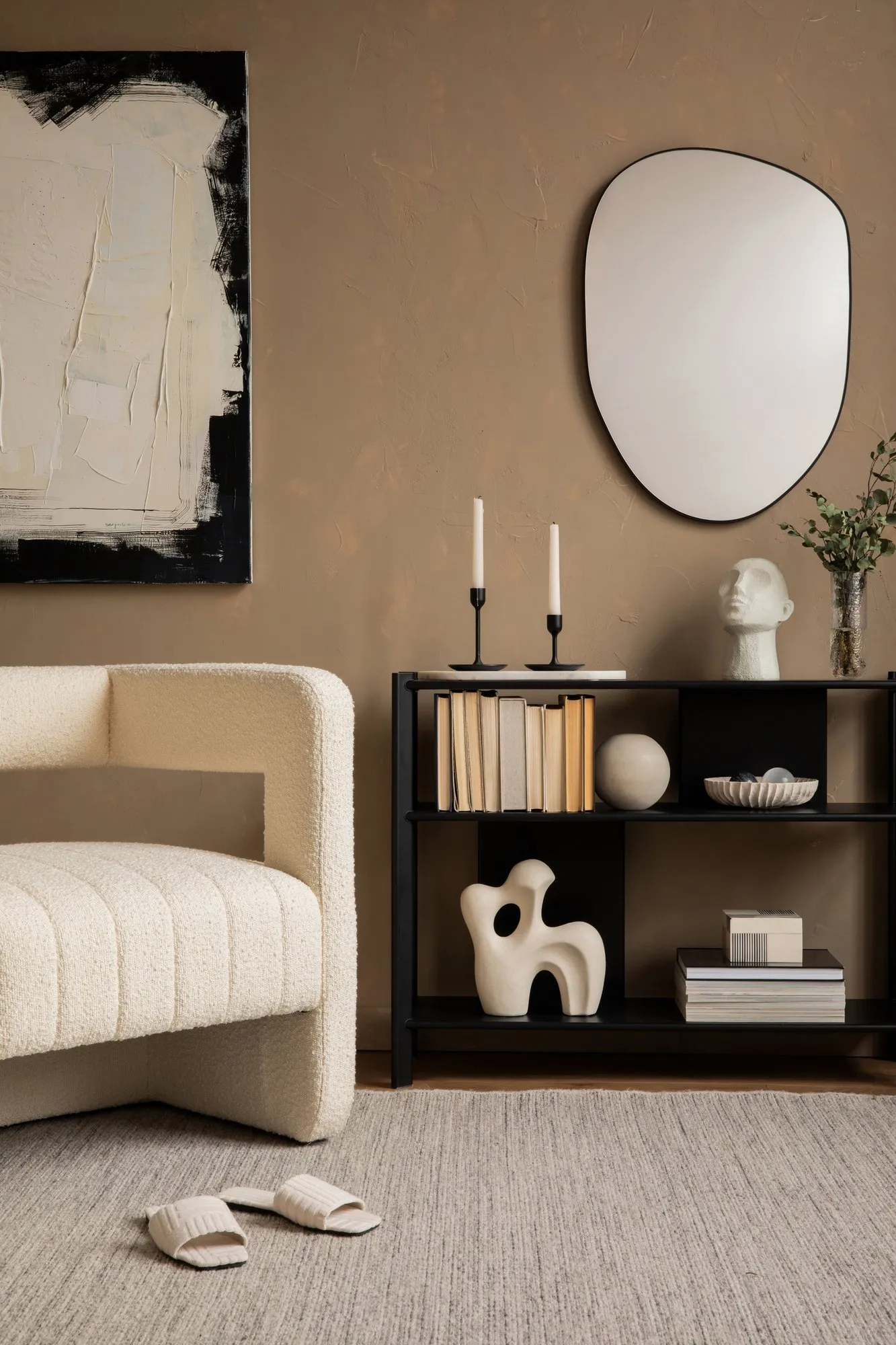
Stone: Materials like marble and limestone make their way into Japandi 2.0 spaces, often used for statement pieces such as countertops, statement furniture, and even flooring. The use of stone introduces an organic, timeless quality to the decor.
Textiles: In terms of fabrics, Japandi 2.0 embraces textured textiles like linen, wool, and cotton, which feel natural and inviting. Plush throws, handwoven rugs, and large, soft cushions are balanced by minimalist, clean-cut furniture. This mix of textures creates a cozy, layered feel, while still adhering to the style’s pared-back approach.
Furniture: Sculptural and Statement-Making
Furniture in Japandi 2.0 maintains the same clean lines that define the original style but with a stronger focus on sculptural, statement-making pieces. Think low-profile sofas with oversized cushions, rounded wooden coffee tables, and sleek, minimalist shelving units. The materials might be simple, but the shapes are bold and almost artistic.
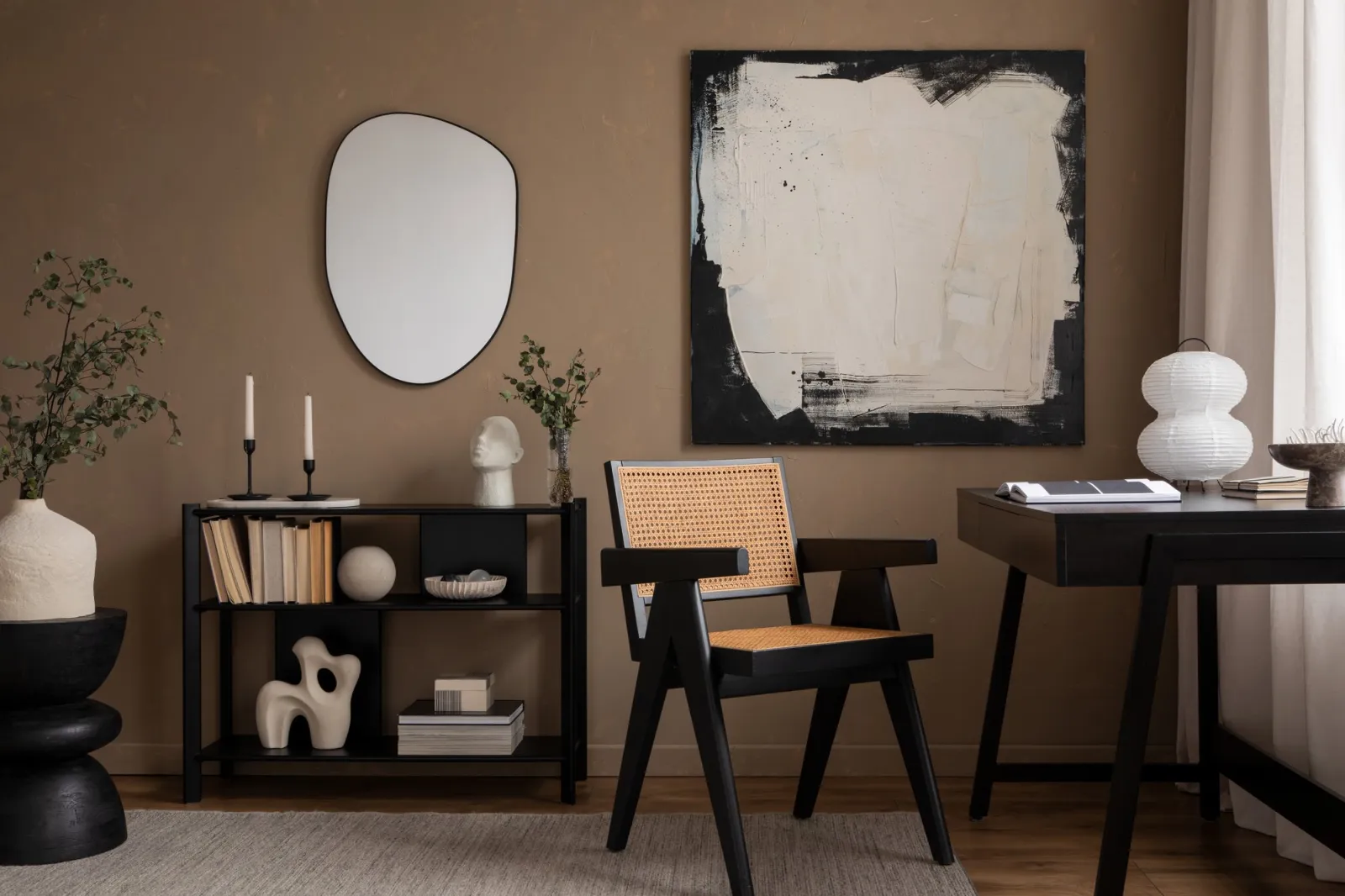
Modular furniture is another growing trend within Japandi 2.0. It allows flexibility and practicality, enabling furniture to move with your changing needs while maintaining a minimalist aesthetic. For example, sofa sections can be rearranged into various configurations and storage solutions that are integrated into walls or cleverly concealed.
It’s about embracing the yin and yang of life—a perfect blend of calm and bold, soft and strong. It’s the kind of aesthetic that doesn’t shout for attention but still makes you stop and admire it. With its dark woods, dramatic contrasts, and tactile richness, Japandi 2.0 allows your home to be more than just a living space—it becomes an experience.
So, go ahead—start layering, sculpting, and adding those pops of drama. Your evolved, zen-inspired masterpiece is waiting to unfold. After all, isn’t life better when it’s both calm and a little daring?
Spotted a mistake, or your photo used without permission? Report a correction