
Healing of nature meets lavishness
As cities are rapidly urbanizing and environmental issues are continuously growing, architects are keenly focusing on bridging the gap between people and nature through their designs. Dig in to know more about this natural luxurious trend.





Humans have a natural affinity with nature, be it the crackling of fire, the fresh scent of rain, or the soothing color of green. Such elements of nature create deep impressions in us. As cities are rapidly urbanizing today and environmental issues are constantly growing, architects are keenly focusing on bridging the gap between people and nature through their designs. They have attempted to use rammed earth, recyclable materials, and even solar orientation for a given site. With the mushrooming of green architecture, though, the line began to blur between what is sustainable and what only is "greenwashed." What has helped to establish a more realistic biological connection with nature has been the bringing indoors of nature through thoughtful design.
Nature in the place
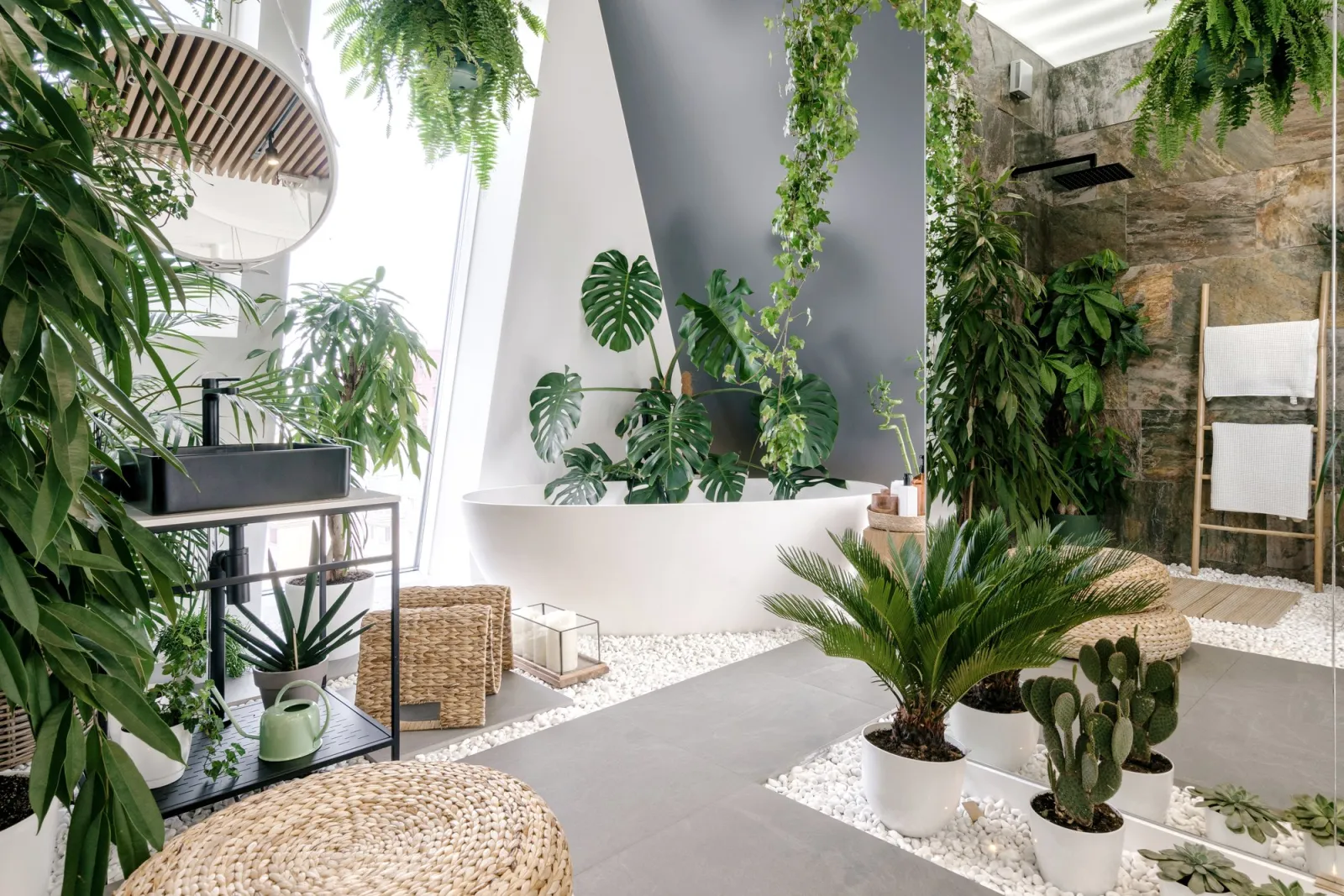
One of the most distinctive ways architects infuse elements of biophilia into the interiors is through greenery, water, and fire aspects. Plants have a vast array of advantages. Adding to the aesthetic value is just one; they lessen stress, increase focus levels, and bring an area more at peace. Depending on the climate and geographic settings, when plants are properly selected, it further bolsters the sense of actuality of how a particular space is linked to Mother Nature. Water, too, is used to create a peaceful ambiance. Research has found that seeing or even listening to water can slow down the heart, reduce stress, and give a sense of peace. This is the reason why architects put more water features in their designs like fountains, aquariums, and small ponds.
 L’Officiel India DigitalRead L’Officiel India in the digital libraryEvery issue and every cover story, on TCG Media.Read now
Indoor gardening as a hobby had caught on in the United States by the mid-1800s, and corporate "interiorscape" programs—the concept of adding greenery to offices—followed in the late 1950s. Biophilic design has expanded over time from these origins into myriad strategies to bring the outdoors indoors, from a potted plant to a large atrium with water and fish. Now that scientific studies say that nature improves our sense of well-being, productivity, and even health benefits, integration of nature into our living and working spaces will be done more thoughtfully than ever before.
Organic and Biomorphic Forms
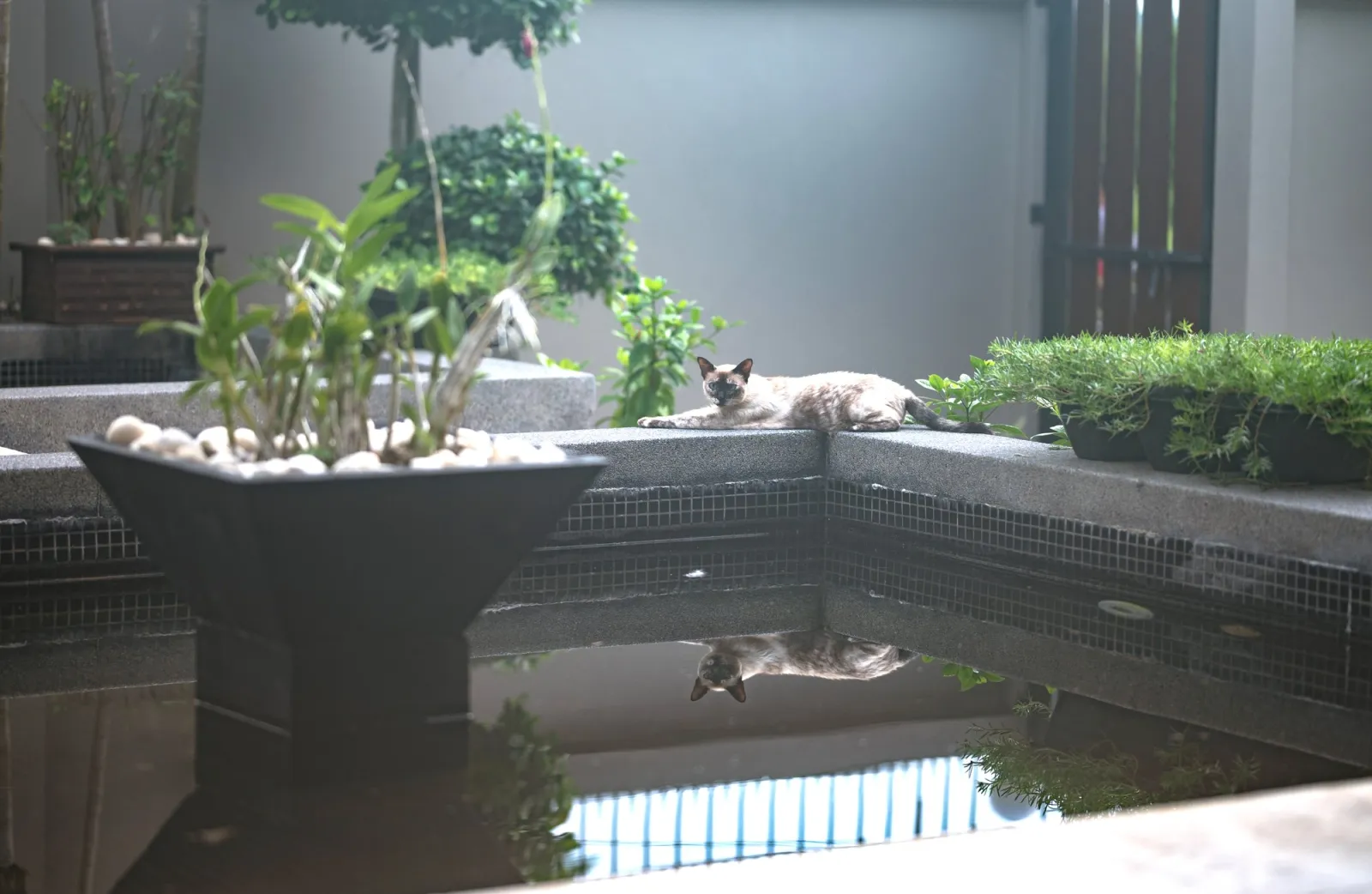
Along with the incorporation of natural elements like plants and water, many architects are inspired by the shapes and patterns found in nature. Organic or biomorphic forms have become very popular in interior design, with curves and asymmetrical lines often dominating design trends. These natural shapes are no new thing in architecture as architects have been borrowing concepts from nature for hundreds of years. Curves particularly are loved for the very reason that they show a sense of safety and peace. Man's brain has always been naturally attracted toward curved forms because it signals that there is no danger nearby. This preference has taken the shape of many design motifs: from furniture and lighting to textiles and partitions.
Biomimicry
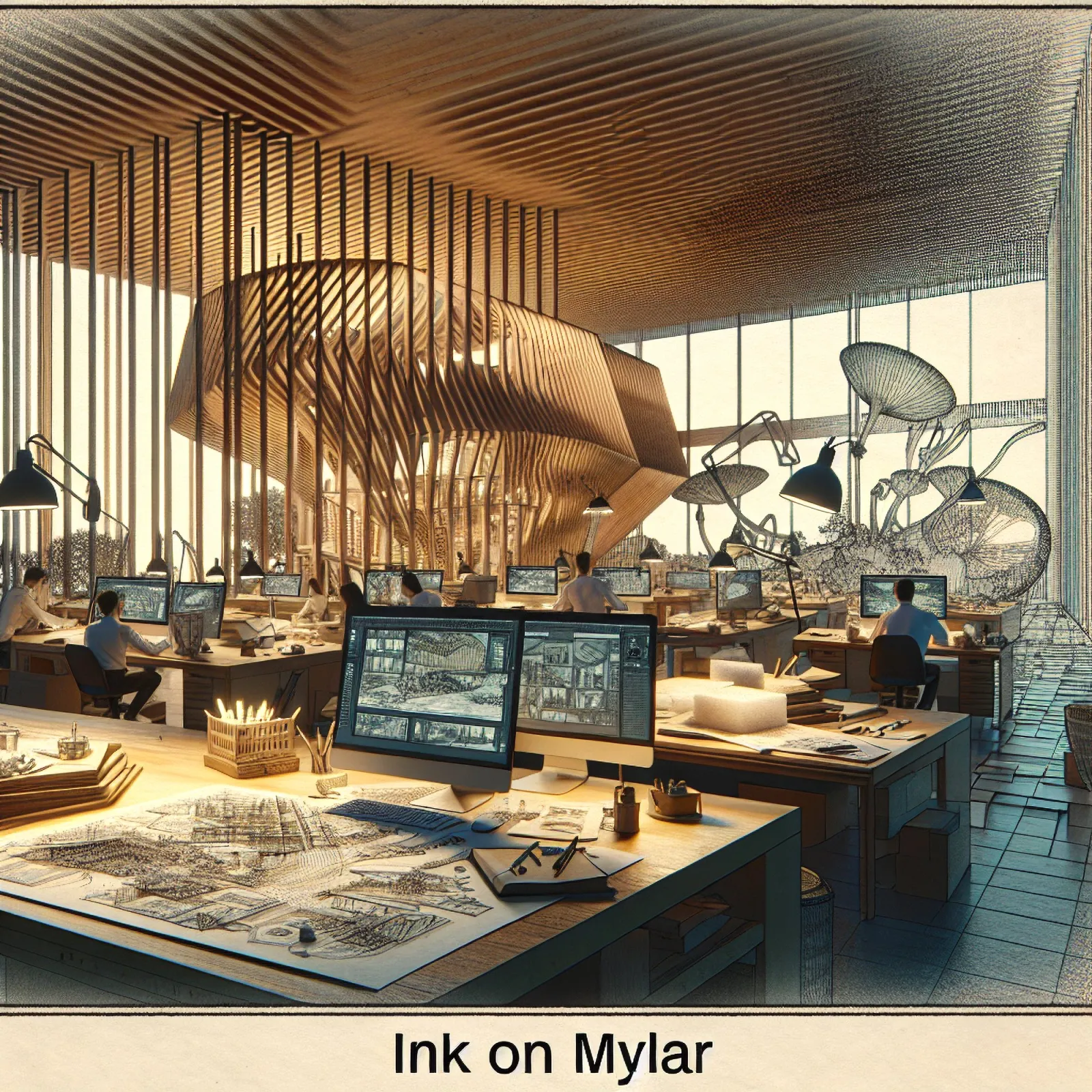
The idea of biomimicry, the way of getting inspiration from the form, process, and system in nature, is widely becoming popular in modern architecture. Janine Benyus described in her book three essential levels of biomimicry: imitating form and shape, emulating processes, and learning from ecosystems. Imitation of form and shape takes inspiration from the features created in nature, such as the streamlined shape of the fish, which inspired the designs for efficient wind turbine blades. Emulation of processes describes the replication of nature's biological processes, such as how plants photosynthesize to make energy. Lastly, learning from ecosystems considers the relationships among the organisms and applies those principles to human systems. This can be illustrated using the concept of industrial symbiosis, whereby waste from one industry feeds into another, thereby copying the concept of ecosystems devoid of waste.
Biophilic Interior Design

Biophilic interior design applies to the incorporation of nature indoors. The term "biophilia," which translates from Greek to "love of nature," forms the basis of this design philosophy, which emphasizes spaces that provide some form of visual connection to the natural environment, enhancing well-being, health, and productivity. Adding plants is possibly one of the simplest but most effective ways to create biophilic interiors. Studies demonstrated that plants are not only decorative within a dwelling but also have the capabilities of reducing stress, lifting moods, and healing. NASA's Clean Air Study in 1989 found that plants were capable of cleaning up the air inside an enclosed area by removing several harmful pollutants in furniture and building materials from cities, like benzene, formaldehyde, and trichloroethylene. This reveals why the use of plants contributes to making a room healthier than beautiful.
Auditory Stimulants in Biophilic Design
Apart from visual aspects, there are also acoustic elements considered as a prime element in biophilic design. Sounds of nature such as those made by birds or pounding ocean waves elicit feelings of peace and serenity. Therefore, with the addition of sounds in space, architects can create further sensory experiences that could help build and enhance the overall mood of being in a peaceful state.
Listening to the sounds of the natural world rather than the noise in the built environment can improve recovery after stress and cognitive fatigue by speeding up restoration. A water feature like a fountain would mimic a river or a stream that could bring elements of the benefits of nature into the room. This use of noise does not only decrease stress but also increases motivation and productivity, enabling the space to be both more relaxing and more work-friendly.
Spotted a mistake, or your photo used without permission? Report a correction