
Goodbye Uniformity, Hello Character!!
Move beyond cookie-cutter patios and heavy, outdated fire pits, decking and lawns — embrace layered materials, purposeful zones, eco-friendly landscapes and unique textures to create inviting, modern outdoor living that feels personal and timeless.
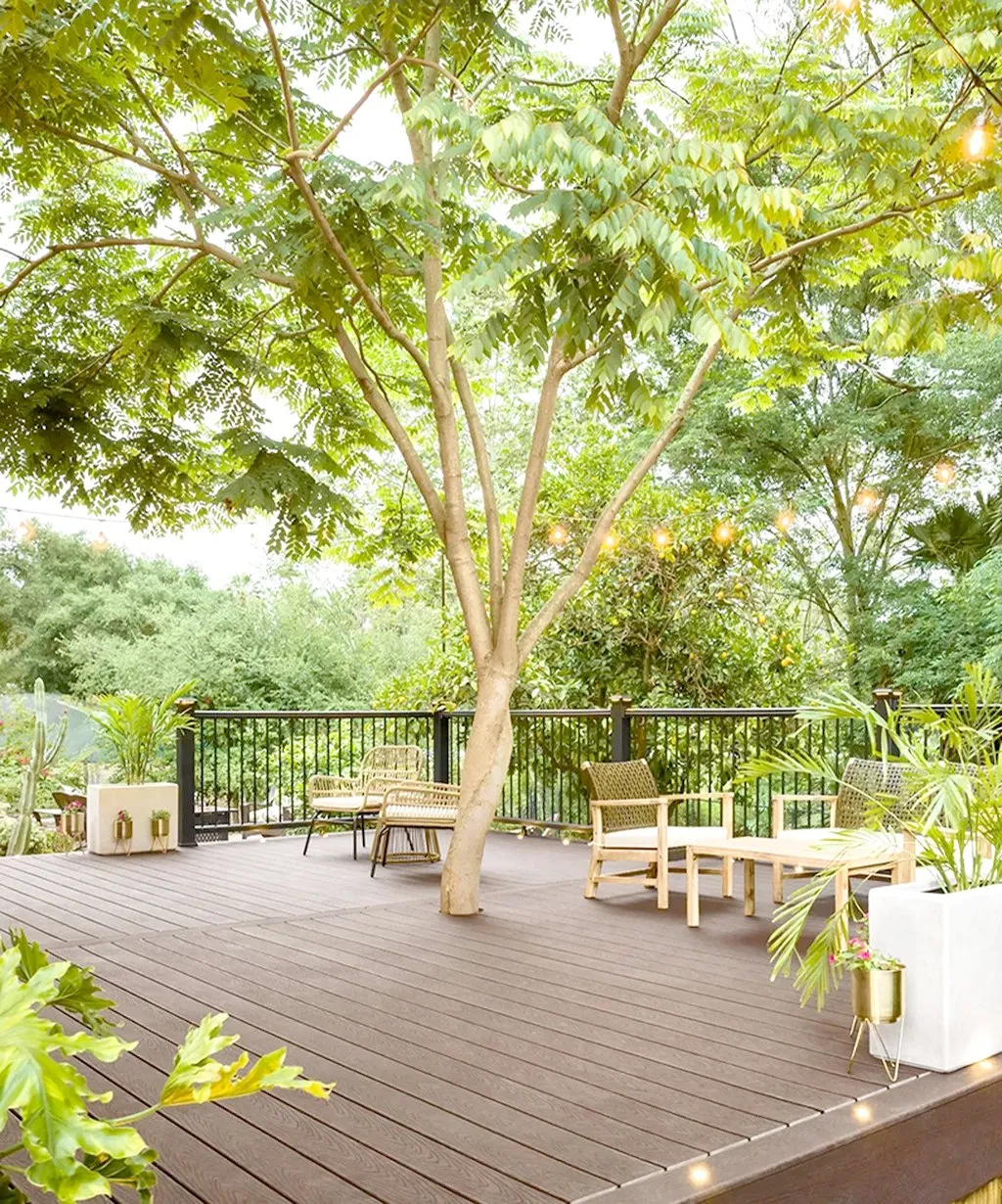




This year, outdoor spaces are letting go of stiff, predictable design and embracing warmth, character and individuality. Instead of cookie-cutter furniture and flat, uninspired layouts, gardens now celebrate layered materials, organic shapes and nature-led planting schemes. From textured surfaces and earthy tones to flowing borders and meadow-inspired florals, these evolving landscapes spark curiosity, comfort and joy — transforming outdoor areas into inviting, lived-in retreats that reflect personal style and blend harmoniously with the natural world.
Move Beyond Generic Patio Furnishings
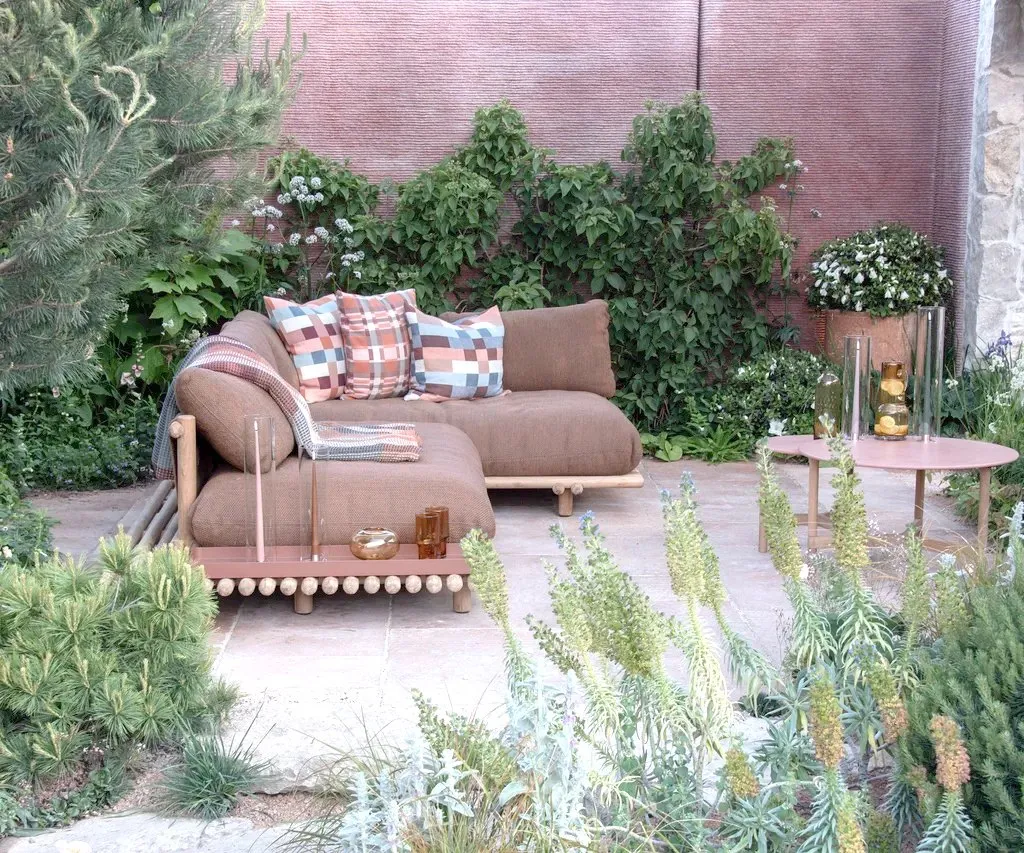
Ornate and generic matching furniture sets—once seen as a simple way to furnish outdoor spaces—are now considered outdated in modern garden and patio design. Designers advise moving away from heavy, overly coordinated pieces and instead mixing different materials, textures, and styles to create a more personal, curated look. This eclectic approach adds character and visual interest to outdoor areas, making them feel inviting and unique rather than generic and uninspired.
 L’Officiel India DigitalRead L’Officiel India in the digital libraryEvery issue and every cover story, on TCG Media.Read now
Fire Pits That Don’t Overwhelm Your Space
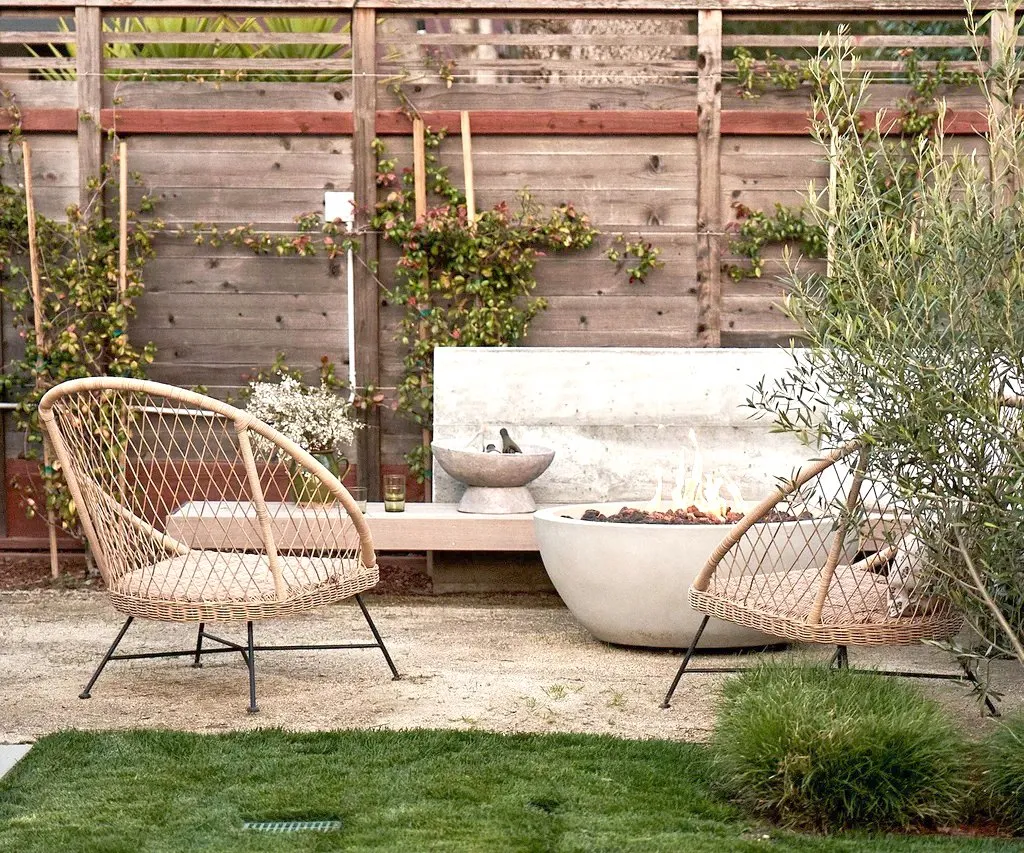
Over-designed, integrated fire pit features—such as large custom fire tables built into outdoor kitchens or seating walls—are becoming less popular because they often dominate outdoor spaces and go unused. Designers now recommend simpler, standalone options like small fire bowls, chimineas, or minimalist fire features that invite gathering without overcrowding a patio or garden. These relaxed, functional fire elements create warmth and atmosphere without taking up valuable space or feeling overly engineered.
Deck Reimagined
Outdated decking — such as large, single-level “floating” wood platforms — is now seen as a dated backyard feature that can make outdoor spaces feel blocky and under-utilised. Designers are shifting toward multi-level, zoned decking with separate areas for lounging, dining, cooking and fire features, which feels more purposeful and inviting. Materials and finishes have also evolved: warmer, natural-inspired colours and low-maintenance composite boards are replacing traditional wood that fades, warps or demands constant upkeep. Updating decking enhances both aesthetics and functionality in modern outdoor design.
Overly Manicured, Flawless Yards
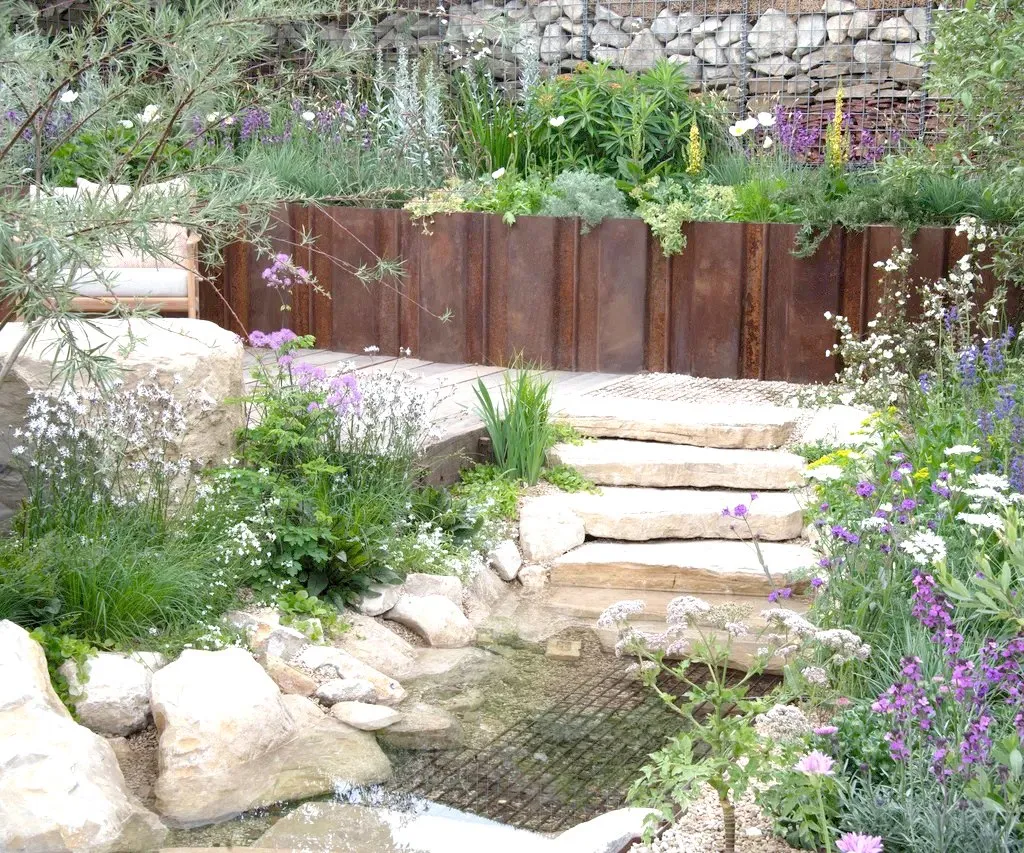
Overly manicured, flawless yards—once a symbol of pride—are becoming less popular as garden trends evolve toward naturalistic, eco-friendly landscapes. Perfect lawns and meticulously clipped hedges require constant watering, chemical treatments, and hours of maintenance, making them both resource-intensive and environmentally unfriendly. Designers now favour relaxed, nature-inspired styles with native plants and meadow-like areas that support biodiversity, attract wildlife, and are easier to care for. These organic designs also feel more welcoming and less sterile than overly polished, pristine yards.
Spotted a mistake, or your photo used without permission? Report a correction