Glitterati
Lebanese jewellery designer Gaelle Khouri left her job as a senior economist to launch her own brand, sharing how her design journey began.
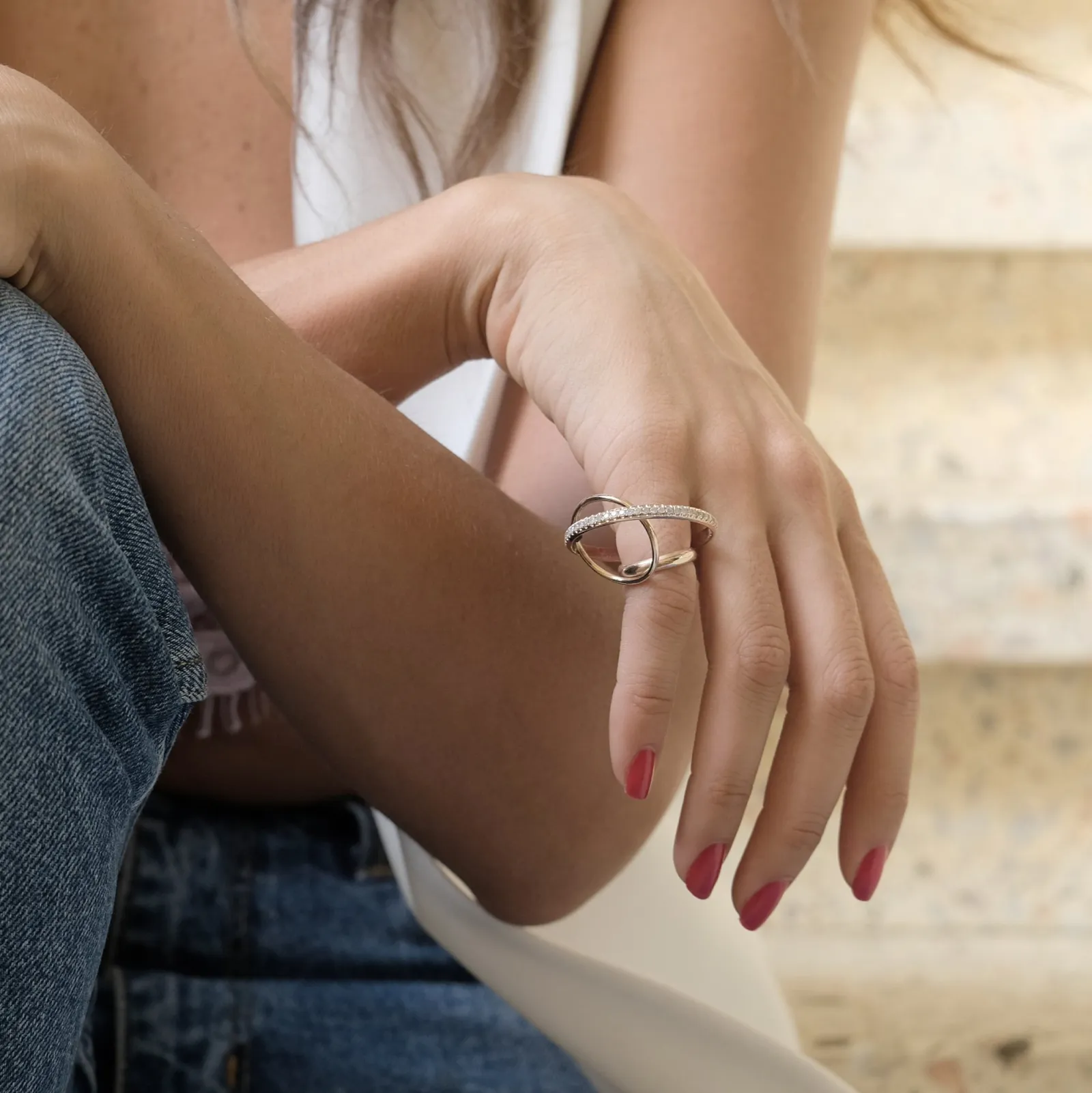




Lebanese jewellery designer Gaelle Khouri has found inspirations at odd places and creates inimitable pieces.
She had a normal and smooth childhood. Speaking of jewellery, I recall when I was about 9 years old, my mum took me to the jewellery store and bought me a custom made gold bracelet. We spent some time at the store choosing the elements to attach on it. I was so happy with it that I was showing it around to everyone until I lost it. I still remember how much I cried at night and the next morning I woke up feeling terrible. My mum – who always had a scary sixth sense - dreamt that it was under my brother’s baby seat in the car and she was right. I cannot describe the joy I felt when I saw it again! But then my mum pulled me aside and said to never be attached to material things. I didn’t understand what she meant by it at the time but now I do and try to live by it. Between Beirut and Paris. My workshop is in Beirut, and part of the operations is being managed from Paris and press from London.
 L’Officiel India DigitalRead L’Officiel India in the digital libraryEvery issue and every cover story, on TCG Media.Read now
When (which year or episode) it occurred to you that jewellery is your calling? Who was the first one you shared your ideas with?
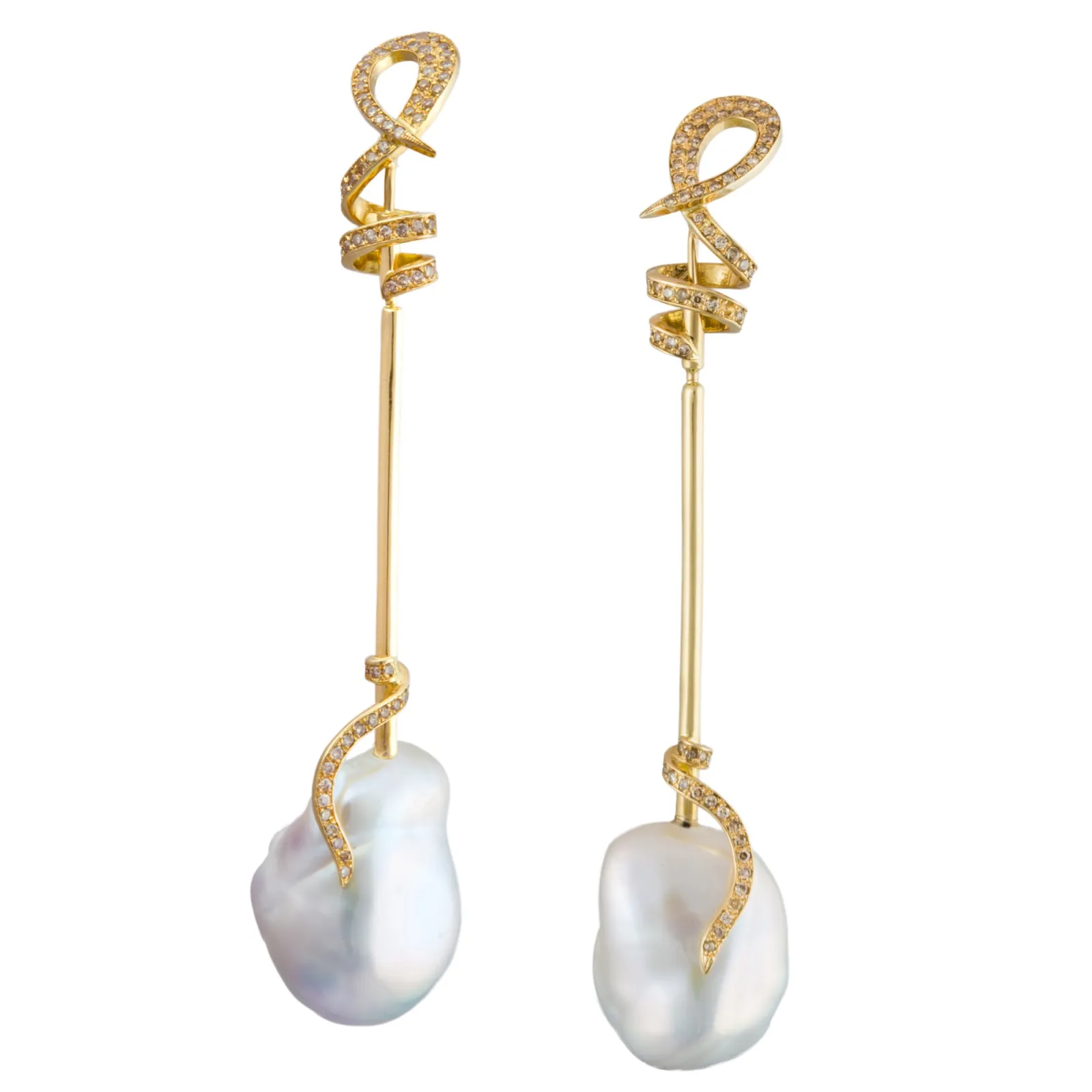
I started my jewellery design journey seven years ago. At the time, I was working as a senior economist at one of the top financial institutions in the MENA region. As much as the transition from science to the design world seems unusual, it was the most natural step forward in my case and led me to launch my eponymous jewellery brand ‘Gaelle Khouri’ in July 2015.
How was the beginning? What did you learn in your formative years?
I started learning about the industry in 2011, and launched the brand in 2015. I took 4 years to master the technical skills before going public. The learning curve has been quite steep. I learned a lot on the production side, I learned about stones, metals, and craftsmanship. And I had the opportunity to learn it all on set which I think is mostly rewarding, especially when applied to designs as complex as mine.
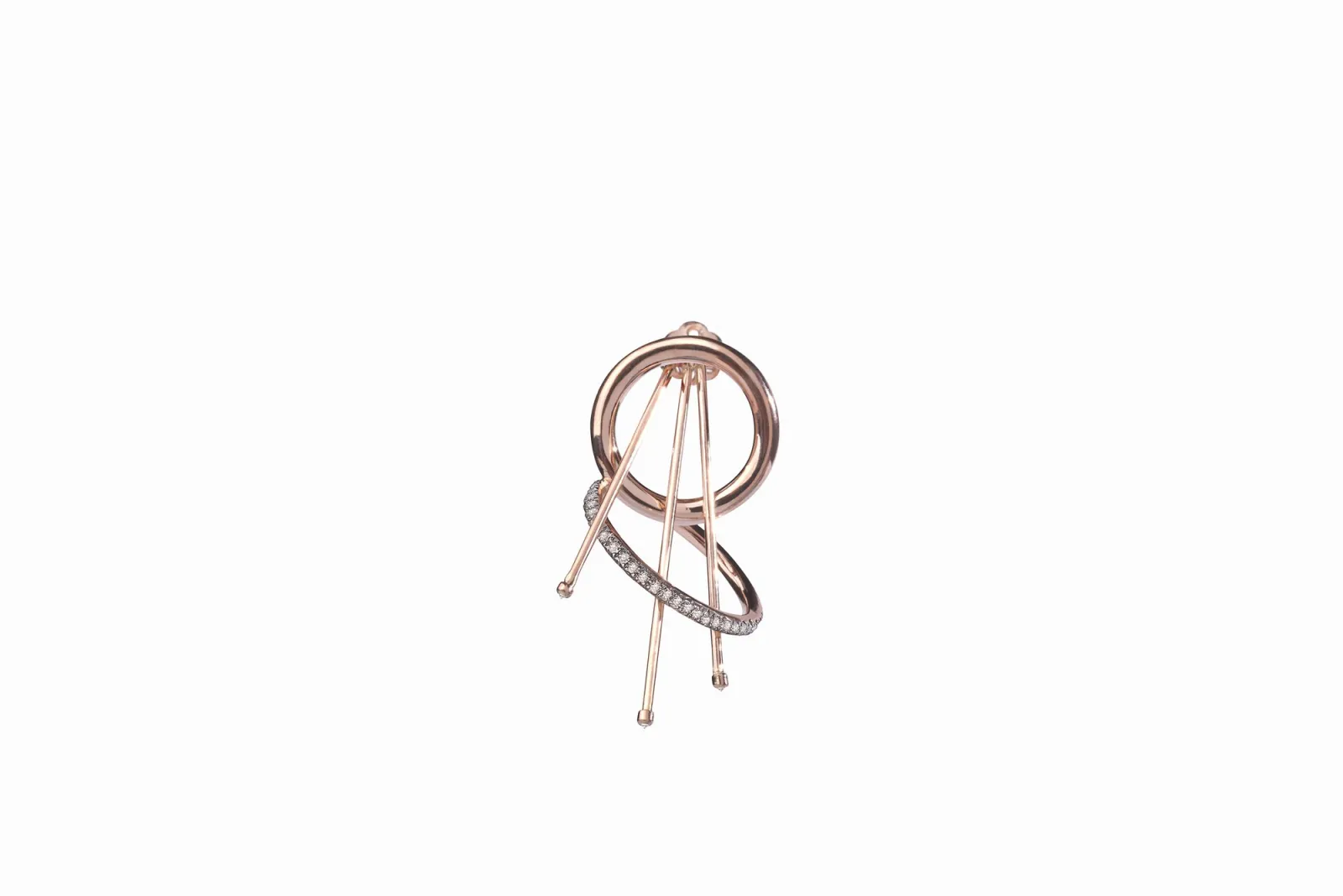
What kind of jewellery attracts you as an artist? Do you remember the first jewellery piece that you designed?
I think any piece can attract me, as long as I feel it has a soul. It’s not something I can easily explain but the eye can directly see whether a piece was given the time it requires to be created, or was it more rushed out. The design certainly has to be interesting, but equally if not more important is the craftsmanship. It is not about the style of the piece, but the designer's creative approach to it and the work behind it.
The first piece I created was the Bouquet ring which I still feel it is the most beautiful piece I have created.
You were raised in Lebanon. How has that influenced you personally and professionally?
Being Lebanese, I grew up in a country that witnessed constant war and suffering. I think this has endowed me with the resilience and strength to get out of my comfort zone and pursue what I want.
What is your brand philosophy? What inspires you?
For me, inspiration comes from within. In each piece, I create a tangible form of my emotions and thought process, and I think the ability to create something physical out of abstract and conceptual things like feelings is what drives my passion. I also enjoy translating the complexities of the human emotional range into a complex movement of the piece – a 3D approach to design - while at the same time keeping it wearable and elegant to fulfil its purpose. I think we are all constantly influenced by everything that surrounds us such as music, stories, random shapes and forms. The amount of information we have access to is growing even more due to various social media platforms. With such information and material now made so easily accessible, we are subconsciously storing the things that we are exposed to in our memory and, for designers such as myself, everything we are exposed to influences our work whether we actively seek it or not.
Where do you source the materials from? Where is your workshop?
I buy my stones from local certified suppliers in Beirut that deal with diamond suppliers based in Antwerp and India mostly.
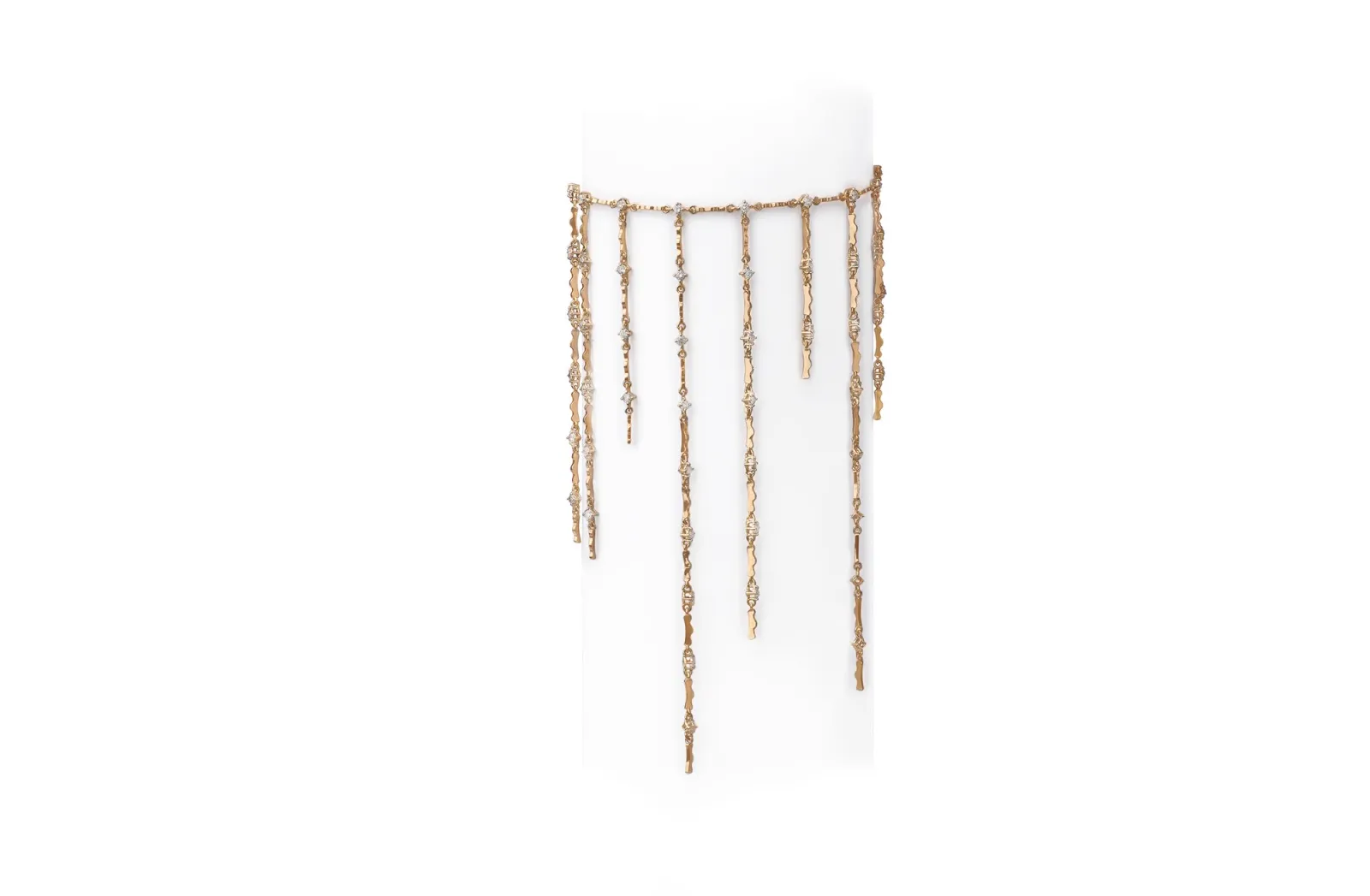
My workshop is in Beirut. All the pieces I create are handmade which means they are crafted on wax first, like a little piece of sculpture and this requires great craftsmanship skills, which we have in Beirut. Alongside Turkey, Beirut has the most competent craftsmanship in the Middle East. It is worth mentioning that the jewellery industry was introduced to Lebanon with the Armenians’ migration after the Armenian Genocide in 1915.
How difficult is it to maintain quality when you are using unconventional materials in jewellery making?
I have always used unconventional materials in my work - I once used a piece of wood and added a delicate scent to it. I also used transparent thread on two necklace pieces to play on a visual illusion.
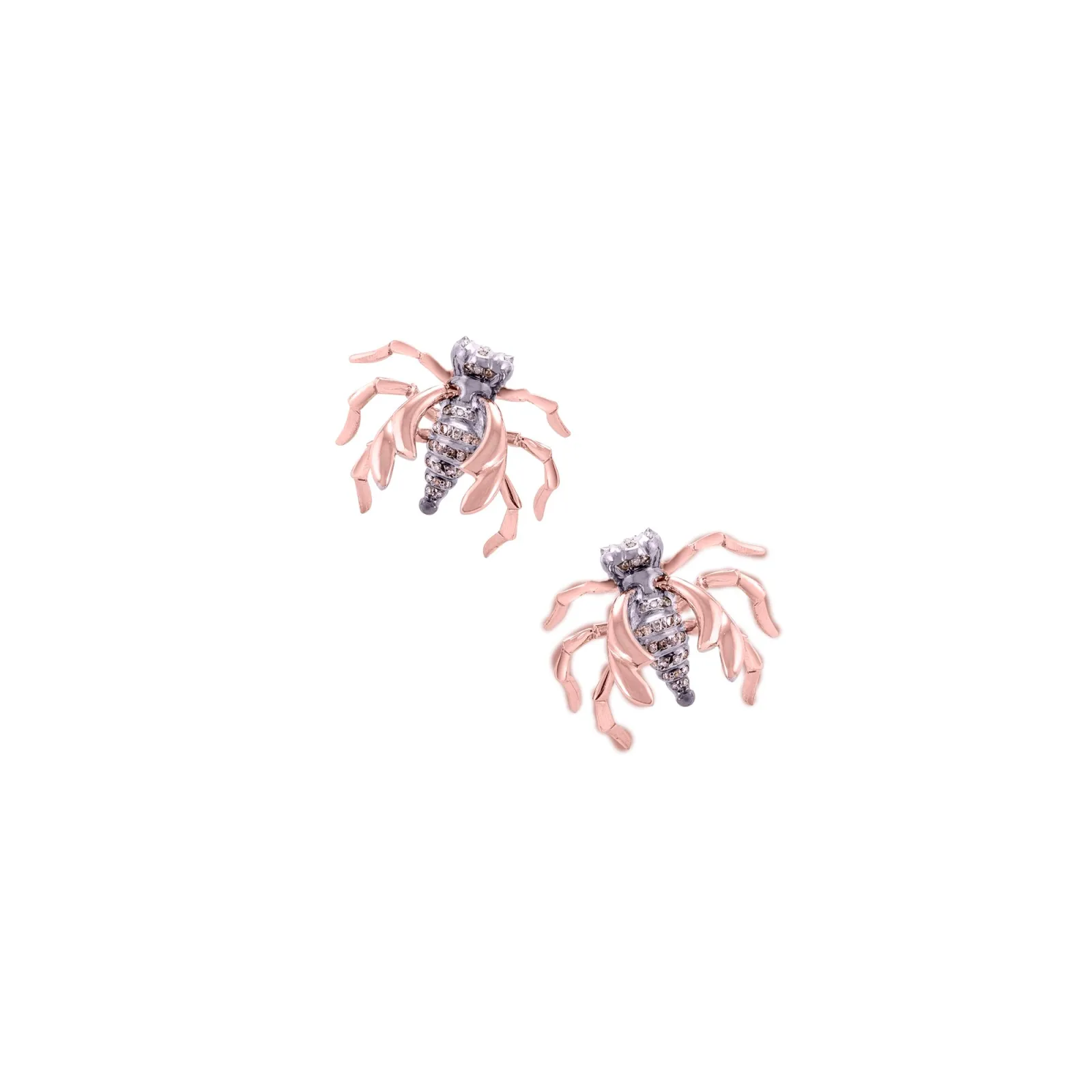
It is always challenging to incorporate unconventional materials in a piece. And secure a great finishing when metals are mixed together. But the challenge is not bigger than the technical challenge we face in producing the pieces that tend to be very 3D oriented and complex. That’s the importance of having a strong craftsmanship which can only be possible if the designer has total control and supervision over production. And that’s why my presence at the workshop is crucial.
Where are all pieces crafted? How much handcrafting involved in the process?
My workshop is in Beirut and all the pieces are handcrafted on wax like micro sculptures.
What techniques of jewellery making do you use?
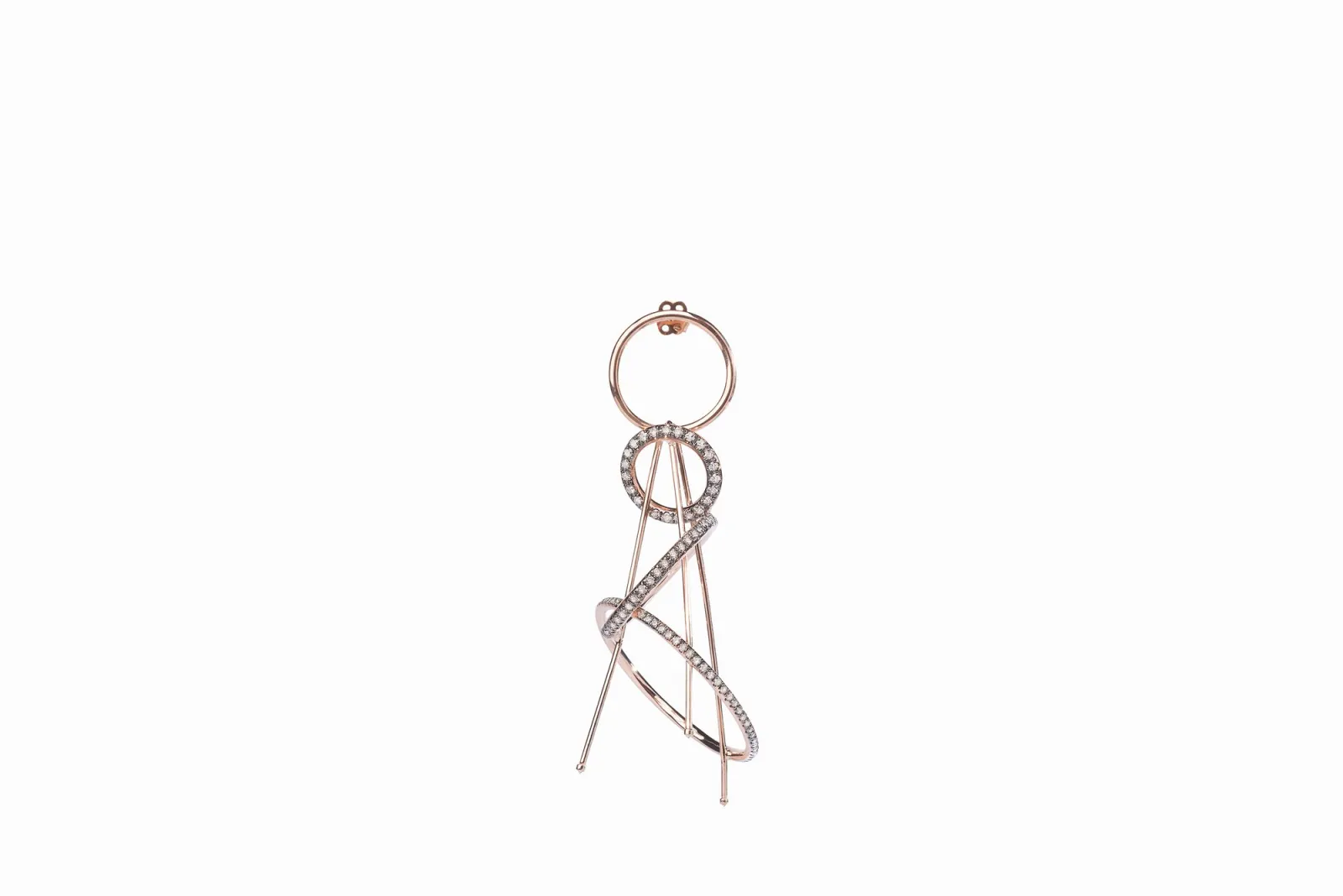
The pieces I create are initially carved on wax which I think distinguishes my work and gives it my personal stamp. The pieces have a lot of movement – I have a 3D approach to design - and have technical intricacies. If you look at pieces from different angles or a different distance, you will see different details and a different aspect of the piece. I also mix various metals such as 18ct gold with blackened sterling silver or matte treated bronze. The alloy of the bronze metal is also done in-house.
How long, on an average, does it take you to create a piece?
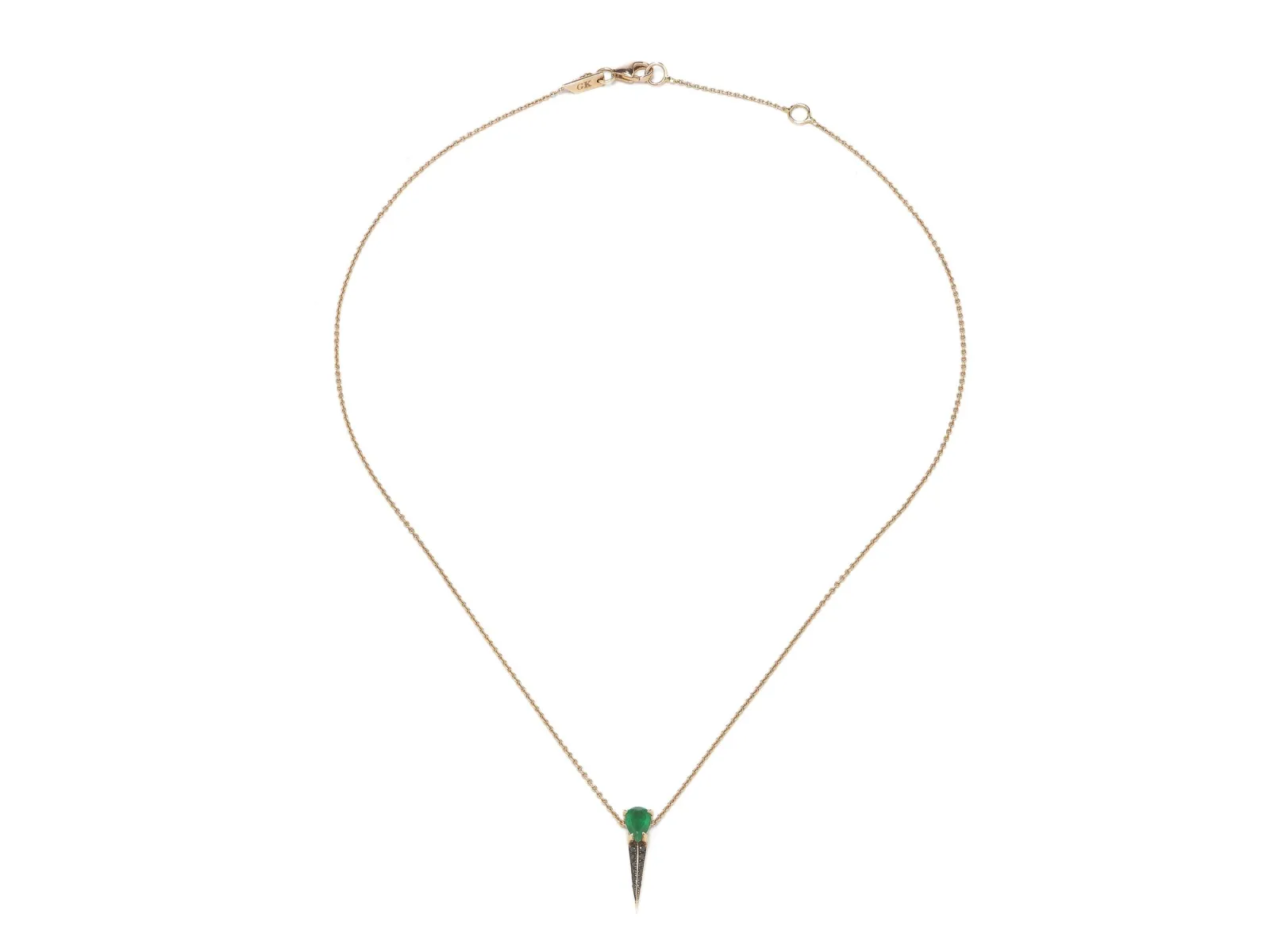
It really depends; the creative part (design) is the easiest and least time consuming! The bulk of the work is carving and technique: it can take up to a week to carve a piece on wax, and a few days to find and implement the right mechanism for a particular complex piece. So it can take up to two weeks to create a challenging piece. But sometimes it can take less time, depending on the level of technical difficulties and the details that go into the piece.
How many collections do you launch in a year?
It really depends, sometimes one collection, sometimes two collections. But given the craftsmanship involved and the amount of dedication and work in each piece, the pieces are timeless so can be worn over years, for instance, some of my best-selling pieces today are first pieces I create back in 2015.
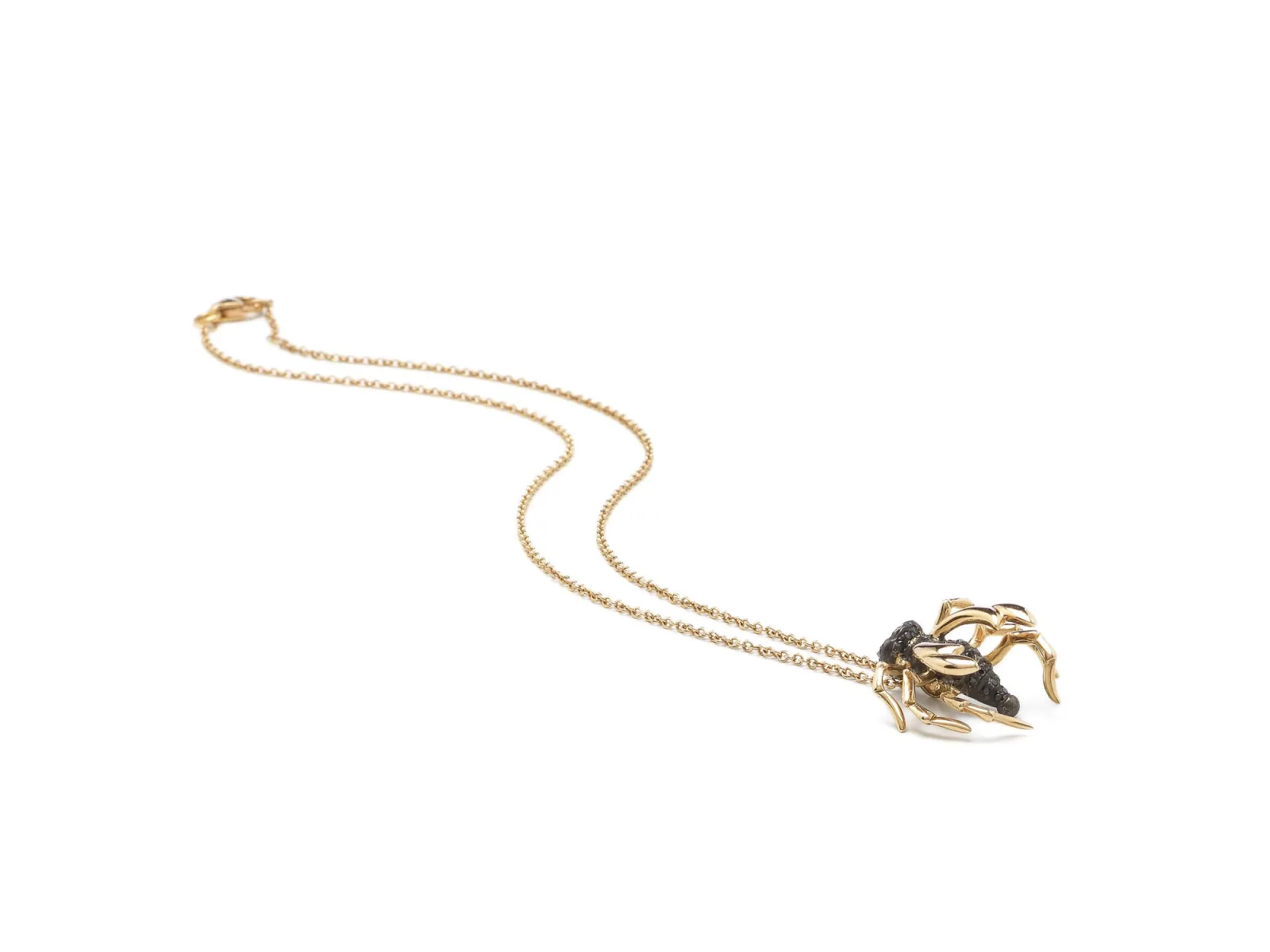
Collections launch in two curated parts that use fine metals, 18ct gold, diamonds, and precious stones. Some pieces combine more interesting materials such as treated bronze kept under its matte form, sterling silver, and wood.
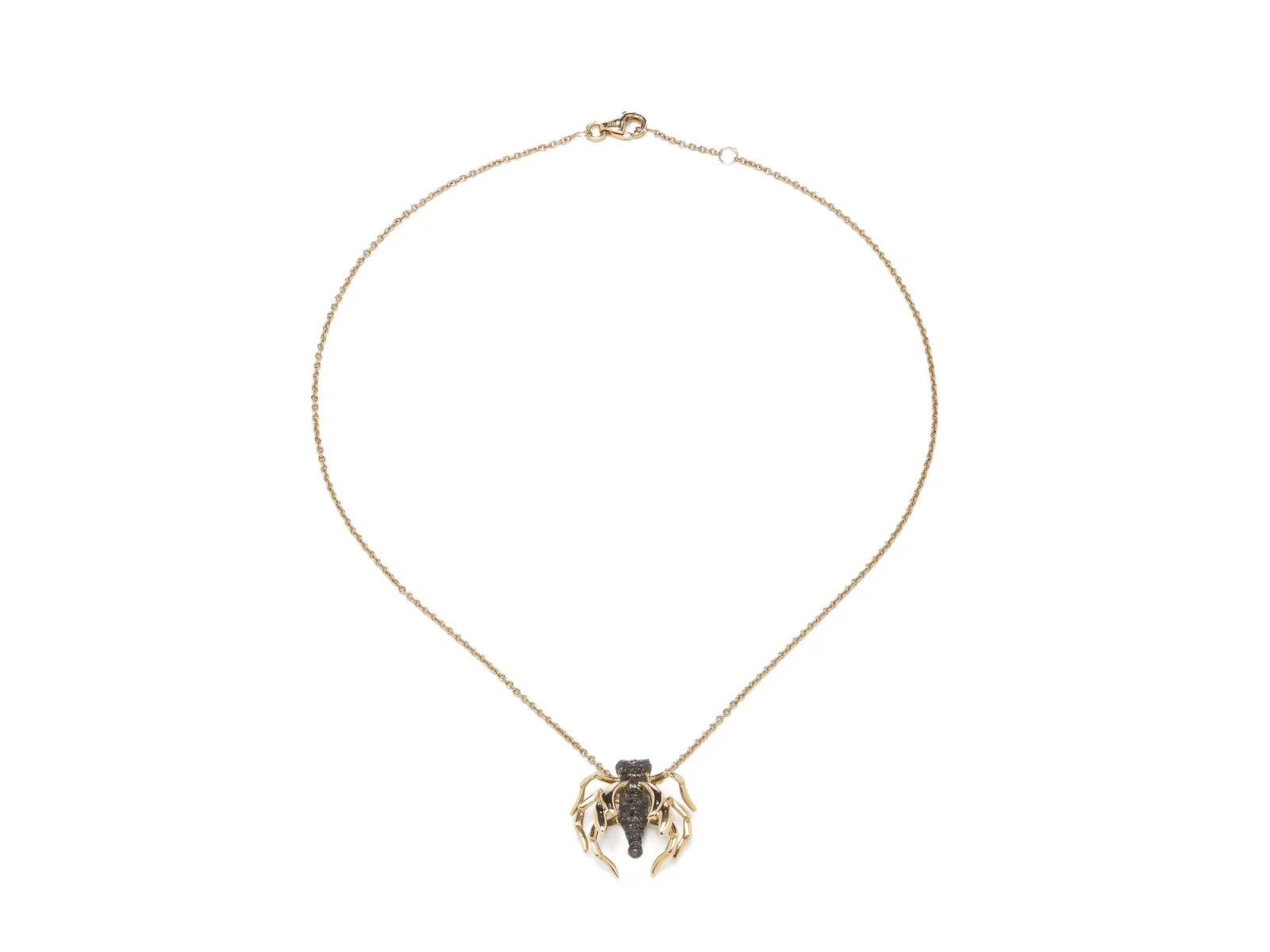
COUTURE embraces pieces designed around tangible elements of nature
CONCEPTUAL embraces pieces designed around abstract forms.
HAUTE, is a third curated part that embraces very fine heavy pieces.
Where do you retail from? What is the price range?
Prices range from USD 1000 to USD 35,000 depending on the piece. But the average price is around USD 3000/USD 4000
How do you think people’s perception, understanding and expectation from jewellery changed?
The industry is changing a lot mostly led by the radical change in consumer behaviour. I think we live in a fast forward time, where people’s lives are constantly exposed through social media platforms, hence their need to constantly change their wardrobe, style, clothes.. This puts tremendous pressure on designers and fashion houses to create more and more often. And to add to the challenge, designers have to create at a lower costs: people’s need to change their wardrobe more often means they are willing to invest less on an item to buy higher quantity, and the existing strong competition on the market along with the growth in fast fashion brands, forces selling prices down. People’s constant need to change their wardrobe, makes them more tolerant to buy accessories that look like jewellery as opposed to real jewellery, or cheap jewellery made with weak craftsmanship and not very clean stones. Also, today people are diversifying their spending, and investing more into experiences such as traveling, and less into products. Which adds another layer of challenge to designers.
At the same time, people are becoming more knowledgeable about jewellery and diamonds. They ask about the quality and quantity of diamonds set on a piece, they double check prices at different stores. So the challenges are many, and this pressure is bad for designers whose creativity thrives on a peaceful environment.
Spotted a mistake, or your photo used without permission? Report a correction