
Get Real!
Remember, the future of computing is about stepping into the screen, not just staring at it.




The moment of digital transformation is upon us! The excitement of new possibilities saturates the market, microprocessors are ready for action, and your perception of reality is about to be fundamentally changed. Whether you're constructing intricate 3D environments with massive processing capability or seeking photorealistic clarity for critical training missions, a new class of immersive hardware is the star of the show. In the spirit of embracing this technological jump, we've gathered five exceptional systems of visual immersion that are not only engineering marvels but also inject character and cutting-edge design into how you experience the digital realm. This is about celebrating innovation with profound performance and a dose of visionary brilliance. So, let’s explore, create, and interact our way toward the most advanced digital experiences yet!
Apple Vision Pro with (M5 chip)
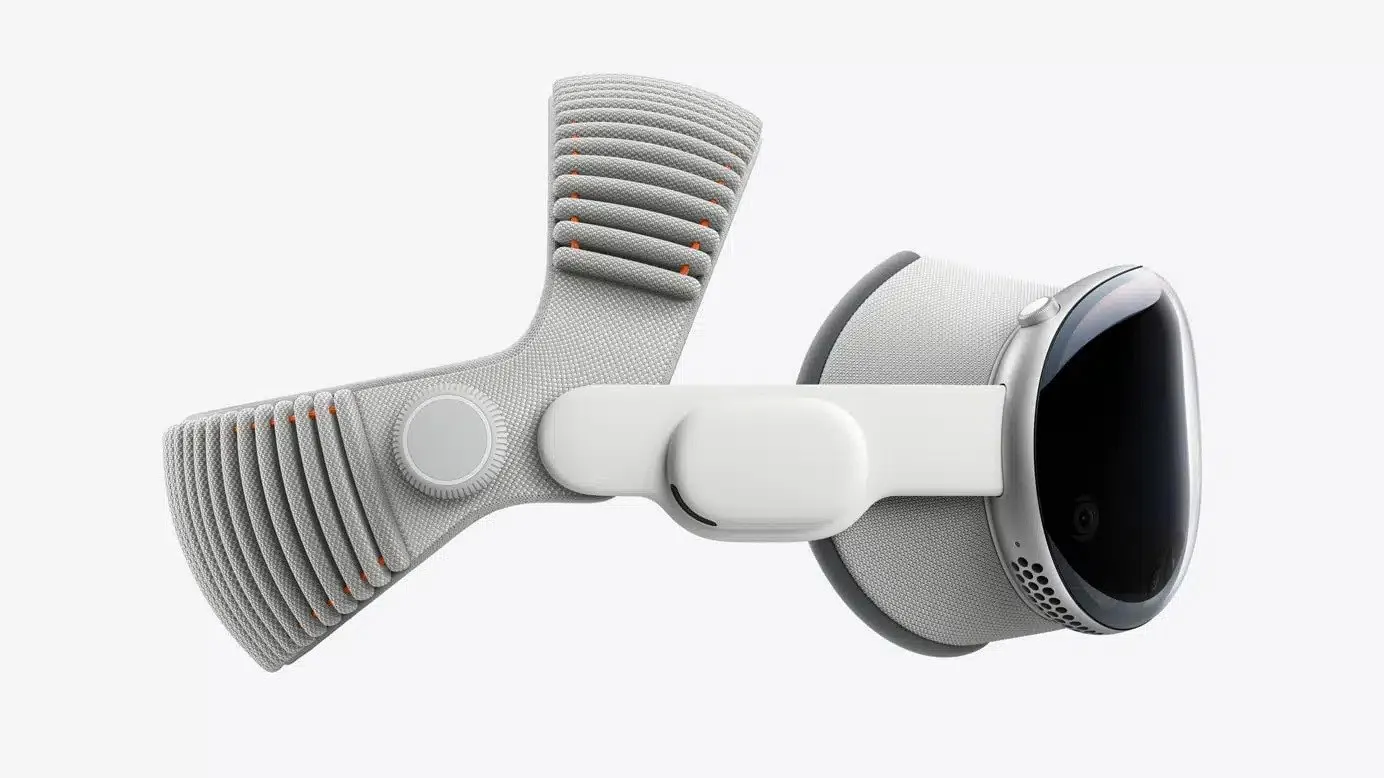
The Apple Vision Pro, featuring the advanced M5 chip, is all about performance and architectural integrity, built for those who take their spatial computing seriously. The polished aluminium alloy frame and custom-laminated glass front exude professionalism and durability, while the infinite canvas of the vision OS environment ensures it’s ready for everything from heavy 3D modelling workloads to expansive cinematic experiences. With the formidable M5 chip and dedicated R1 chip working in tandem, this spatial computer powers through tasks without skipping a beat. Its intuitive eye-tracking and hand gestures provide precise control for every interaction, whether it’s folding delicate windows into your view or manipulating complex spatial data for your signature presentation. The innovative micro-OLED display system isn't just a fancy add-on; it provides crystal clarity and makes complex digital adjustments effortless, even when dealing with heavy visual mixtures. With a range of integrated apps and the vast power of the Apple ecosystem available, the Vision Pro brings unparalleled versatility to next-generation work and entertainment.
 L’Officiel India DigitalRead L’Officiel India in the digital libraryEvery issue and every cover story, on TCG Media.Read now
Valve Index 2 / Deckard: Defining High-End PC VR
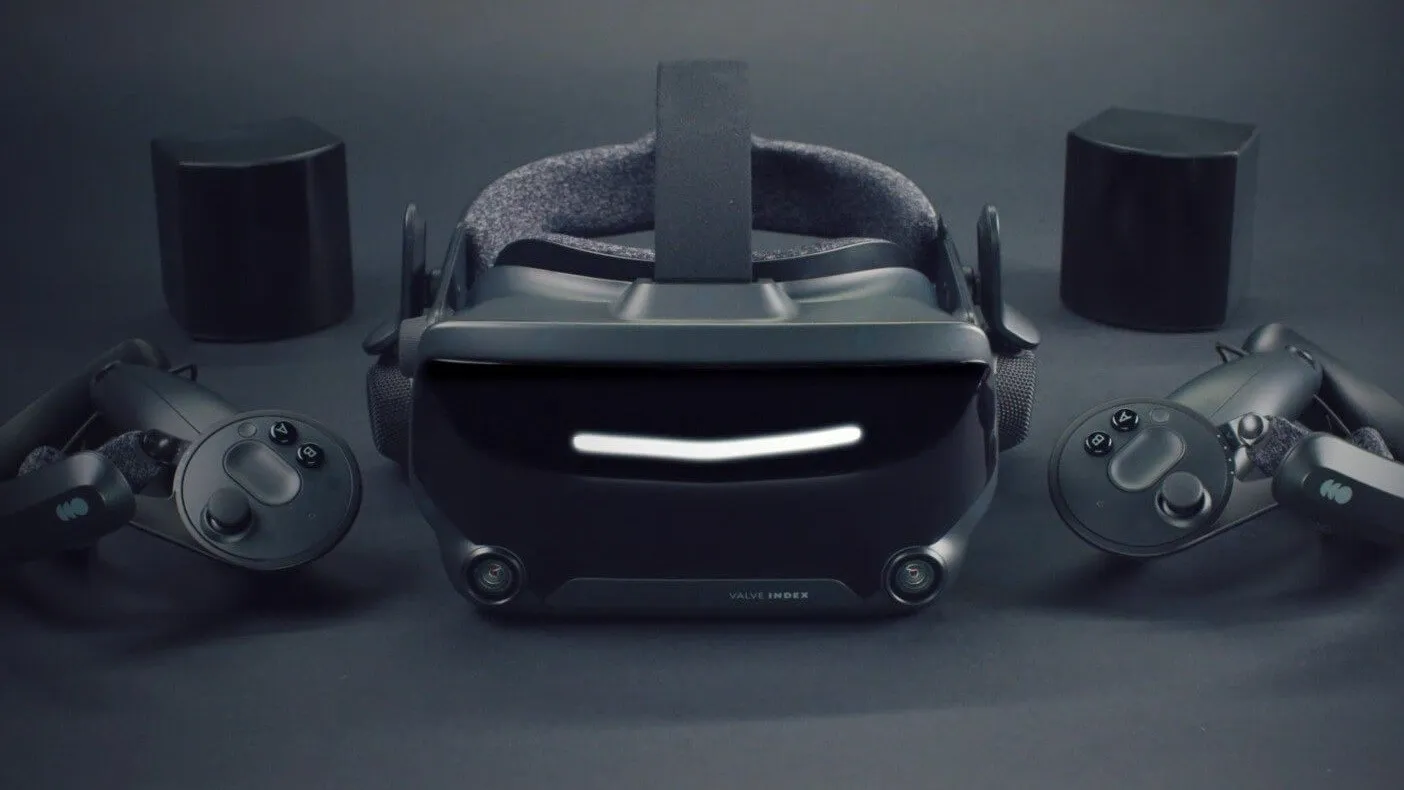
The Valve Index 2, known internally as "Deckard," is engineered to be the next-generation gold standard for High-End PC VR, while intelligently integrating standalone functionality. This device isn't just an upgrade; it’s a hybrid revolutionary, built to deliver the highest possible graphical fidelity tethered to a powerful PC, or offer untethered freedom running its own version of SteamOS. Deckard is expected to feature advanced Pancake lenses paired with high-resolution displays (rumored to be up to 1440p per eye), ensuring a massive leap in visual clarity and a reduced form factor compared to its predecessor. Crucially, the headset is ditching the external Lighthouse Base Stations, adopting sophisticated inside-out tracking via integrated cameras. This simplifies setup and enhances portability without compromising on the precision that PC VR gamers demand. The integration of eye-tracking is set to enable foveated rendering, allowing the PC to boost performance by only rendering the area the user is looking at in full detail. The "Roy" controllers are also redesigned to be more ergonomic and feature a modern button layout, cementing Deckard's position as the comprehensive, high-performance, and deeply integrated gateway to the SteamVR universe.
The best devices for immersive experiences, from professional spatial computing to high-fidelity gaming and simulation.
Varjo XR-4
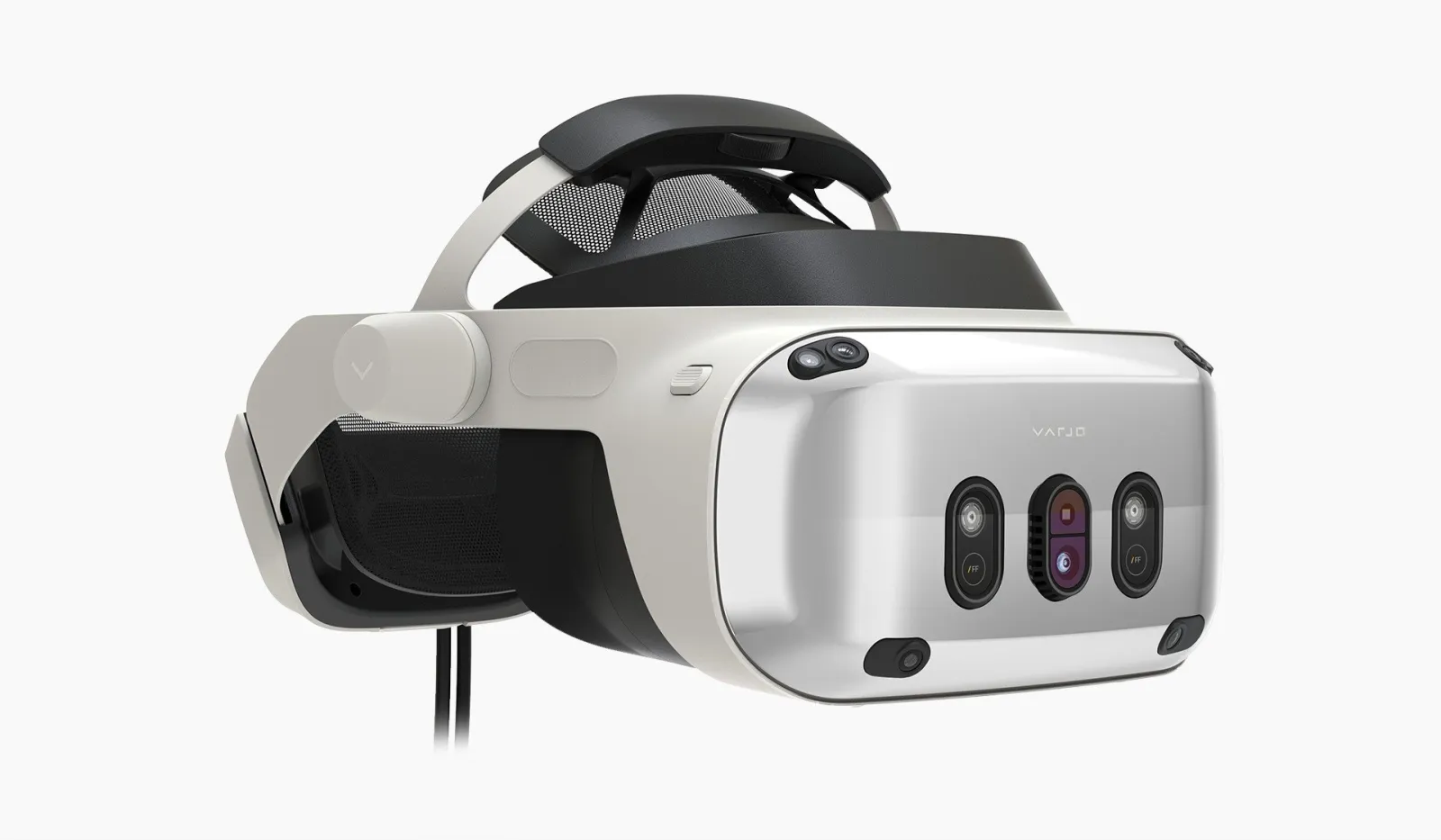
The Varjo XR-4 represents the pinnacle of industrial-grade mixed reality, built for professionals in simulation, training, design, and defense. It is the definition of ultra-luxury and uncompromising fidelity in the enterprise space, where the highest levels of visual performance are mandatory. This device is engineered to replicate true human vision, achieving a visual fidelity practically indistinguishable from natural sight. It uses custom Mini-LED displays with a resolution of 3840 x 3744 per eye (over 28 million pixels total) and a peak density of 51 Pixels Per Degree (PPD), pushing the limits of human perception. The Focal Edition features the world's first gaze-driven autofocus system in XR, using dual 20-megapixel passthrough cameras to render the real world with unparalleled sharpness that adjusts as the user's eyes focus. Advanced sensor fusion, including 200 eye tracking and an 8x times improved LiDAR depth sensor, ensures perfect blending of virtual and physical elements for mission-critical tasks like pilot training. The XR-4 is tethered to a high-end PC, leveraging the power of NVIDIA RTX GPUs and platforms like NVIDIA Omniverse to deliver photorealistic, ray-traced environments in real-time.
Meta Quest 3: Horizon OS v81
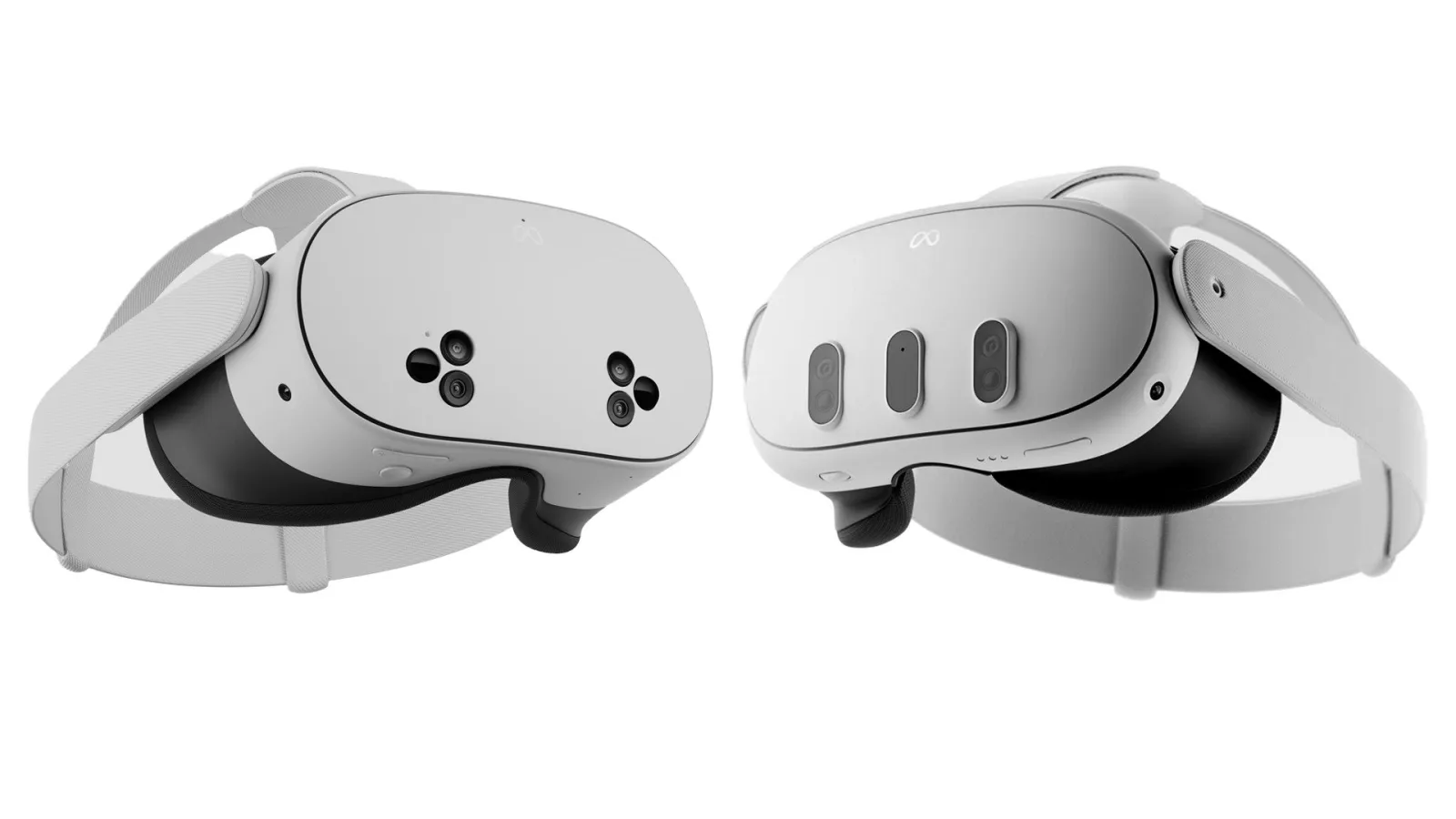
The Meta Horizon OS v81 update delivers a massive, performance-focused overhaul, solidifying the Quest 3’s role as a true spatial computer capable of serious work and entertainment. This software release centres on deeply integrating the headset into the existing PC ecosystem, elevating productivity and multitasking far beyond simple gaming. The centrepiece of the update is the Mixed Reality Link integration, which allows users to stream their Windows 11 or Windows 365 desktop directly into the headset. This enables the creation of a seamless, high-resolution virtual office with multiple digital monitors that dramatically boost professional workflow. This is paired with an improved Immersive Home environment that supports Window Anchoring, a key feature where users can pin 2D app windows, like email or Spotify, in a specific location in their physical or virtual space, and those windows will remain pinned even after restarting the device. Furthermore, multitasking is enhanced, with the system supporting up to 12 concurrent app windows, while the Quick Play feature prioritizes app downloads, letting users jump into new games and experiences faster than ever before. This entire software suite fundamentally transforms the Meta Quest 3 into a powerful, frictionless daily utility.
Pimax Crystal Super
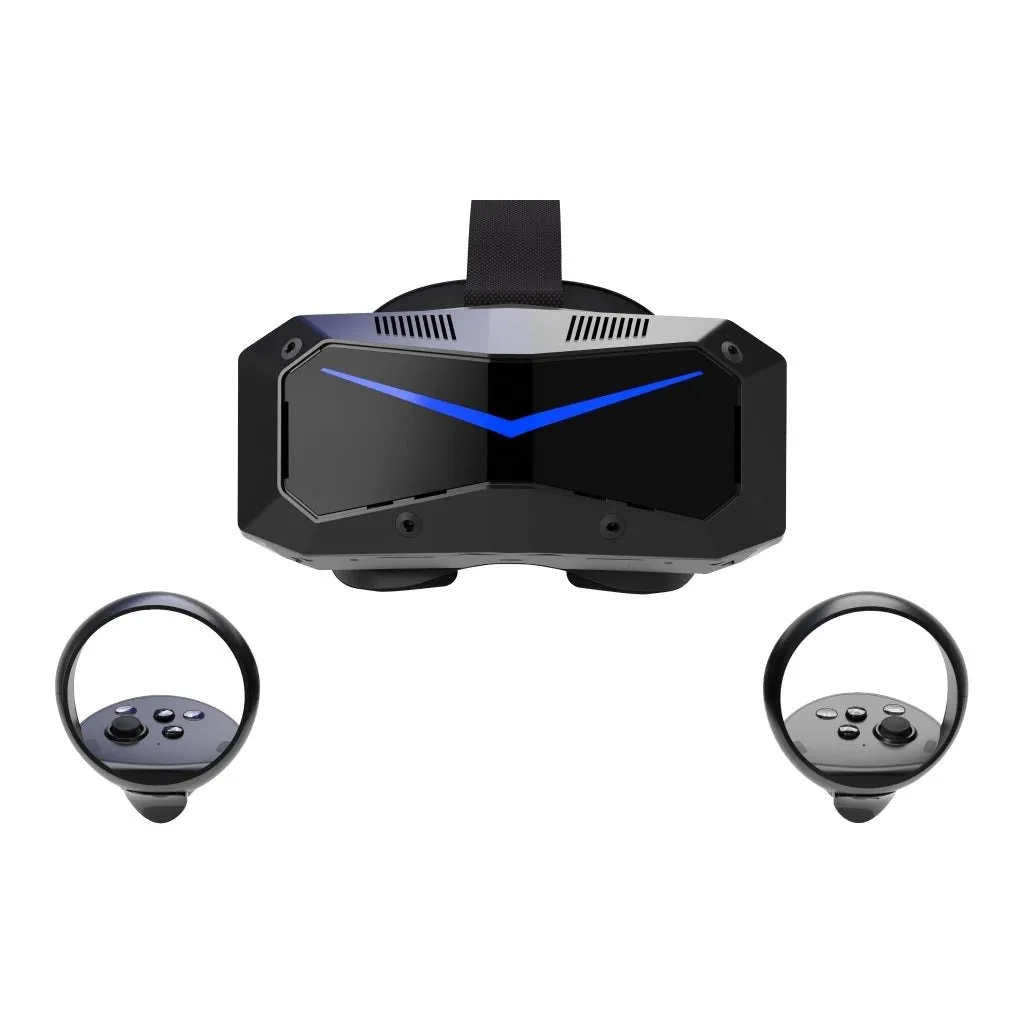
The Pimax Crystal Super is engineered for the dedicated enthusiast, built with a modular architecture that sets it apart from conventional headsets. Its defining feature is the swappable optical engine, an innovation that allows users to physically interchange the display and lens assembly. This future-proof design means users can choose their priority: the standard QLED display offers a high 50 PPD (Pixels Per Degree) clarity across a wide field of view, while the specialized 57 PPD engine sacrifices some peripheral vision to achieve an even higher, virtually retinal level of sharpness, making it ideal for simulation cockpits. The visual experience is driven by dual QLED + Mini LED panels with over 1000 local dimming zones. This local dimming control creates deep, rival-like blacks and exceptional contrast for stunning realism in dark environments, such as night flying or space simulations. Combined with aspheric glass lenses, which provide superior edge-to-edge clarity compared to plastic, and an automatic mechanical IPD adjustment, the Crystal Super ensures the image is perfectly tuned and consistently sharp for the individual user. This level of customizable visual precision reinforces its position as the ultimate, uncompromised tool for high-fidelity PC VR.
Spotted a mistake, or your photo used without permission? Report a correction












