Futuristic Fashion




We fast-forward to the uncertain future to reveal how environmental changes, technology and crafts will be three major factors, that will change the way women look at fashion. Seven style gurus give us a peek into their insightful vision as they sketch exclusively for L’Officiel India.
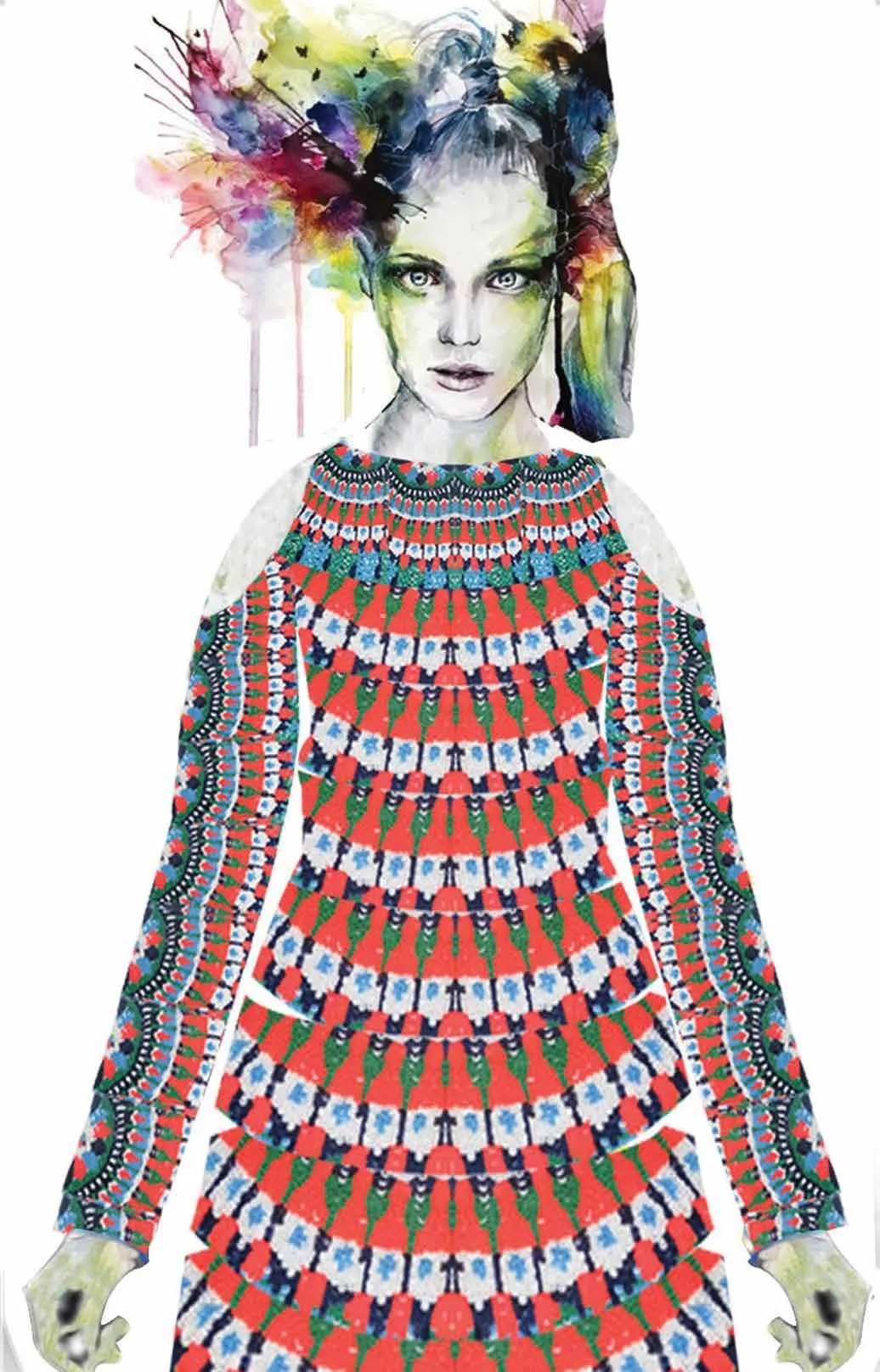
Pia Pauro
“Empowerment will be at the epicentre of fashion in the future.
 L’Officiel India DigitalRead L’Officiel India in the digital libraryEvery issue and every cover story, on TCG Media.Read now
Eclectic fabrics and cars that fly will mark fashion history. I would guess that the use of handcrafted, organic materials would increase in a bid to save our planet. Creating eco-consciousness is something I would love to see happening 50 years down the line. While most designers are increasingly opting for organic materials, we still have a long way to go, if we want to preserve our rich environment. Prints will be bolder and colour palettes of blues and green will dominate catwalks, signifying nature, growth and the environment. For the same reason, I have used bolder prints and hues in this sketch, as fashion will be much more outrageous, and vibrant colours will be used to light up the world we live in.”
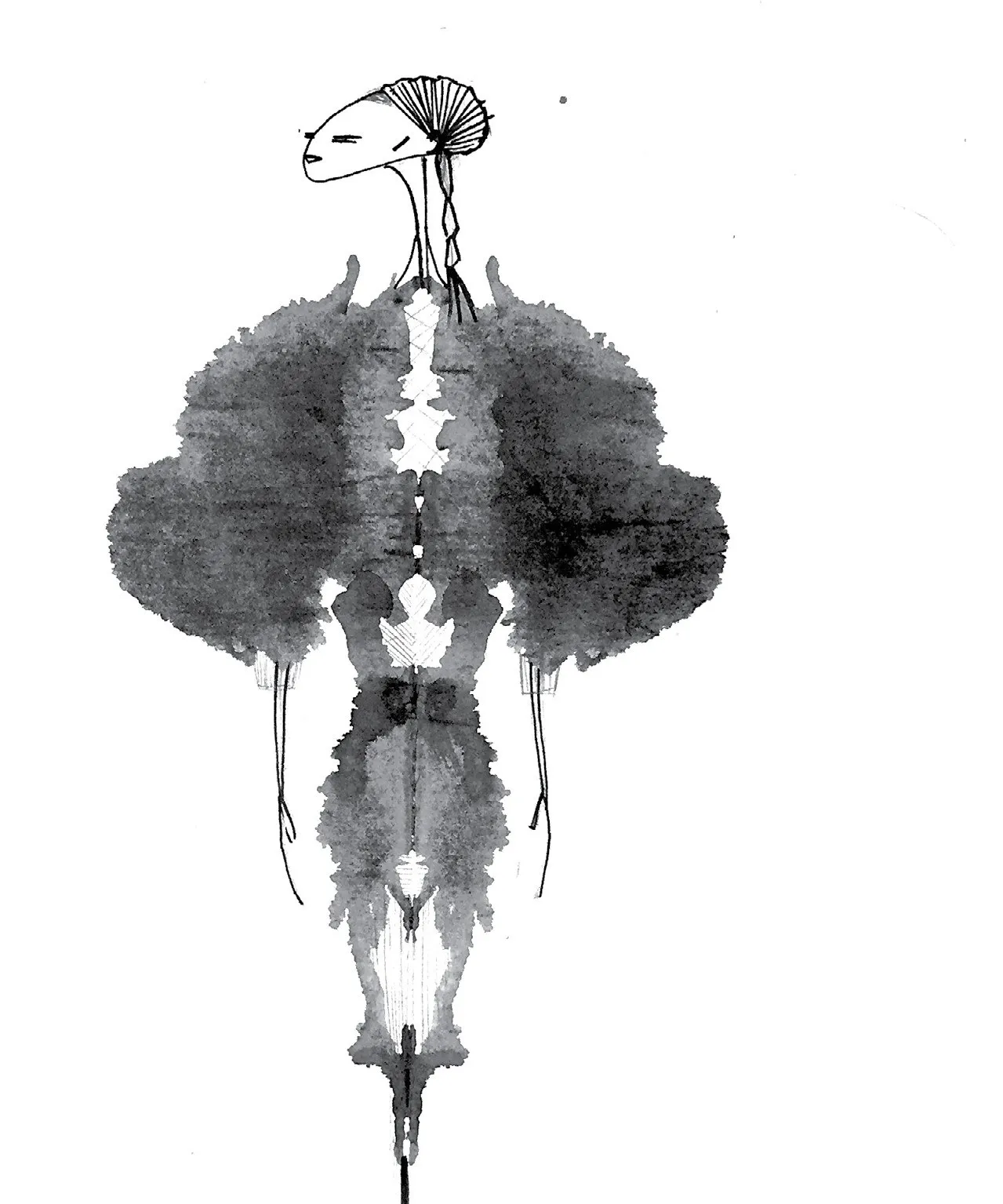
Amit Aggarwal
“My first thought was that women might be completely naked in the next 50 years. When I thought deeply, the idea had emerged from the hope that the future brings an absolute acceptance of oneself. Women would embrace and wear their uniqueness and individuality as a cover. I interpreted this thought through the use of a Rorschach ink blot. Just as no two ink blots can be the same and yet are absolutely individualistic, so would women’s dressing be in the near future.”
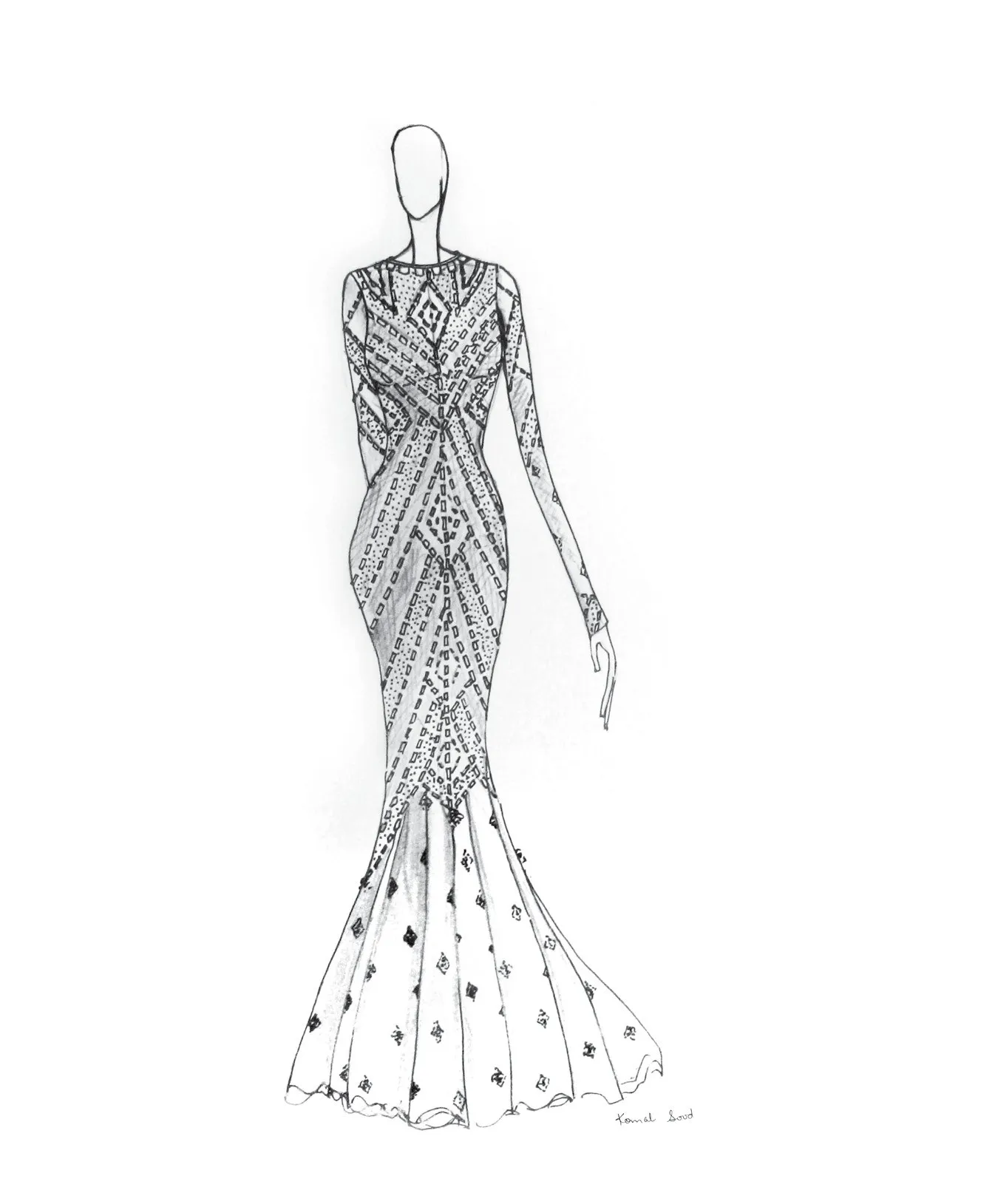
Komal Sood
“I am thinking of dressing a tall and beautiful woman in an evening gown. I feel that 50 years from now, women will be leaner. The look of the gown is structured and accentuates the body. We have used the K logo stripe appliqué technique to enhance the contours of the body. The graphic appliqué design on the gown is our signature, and is both modern and futuristic.”
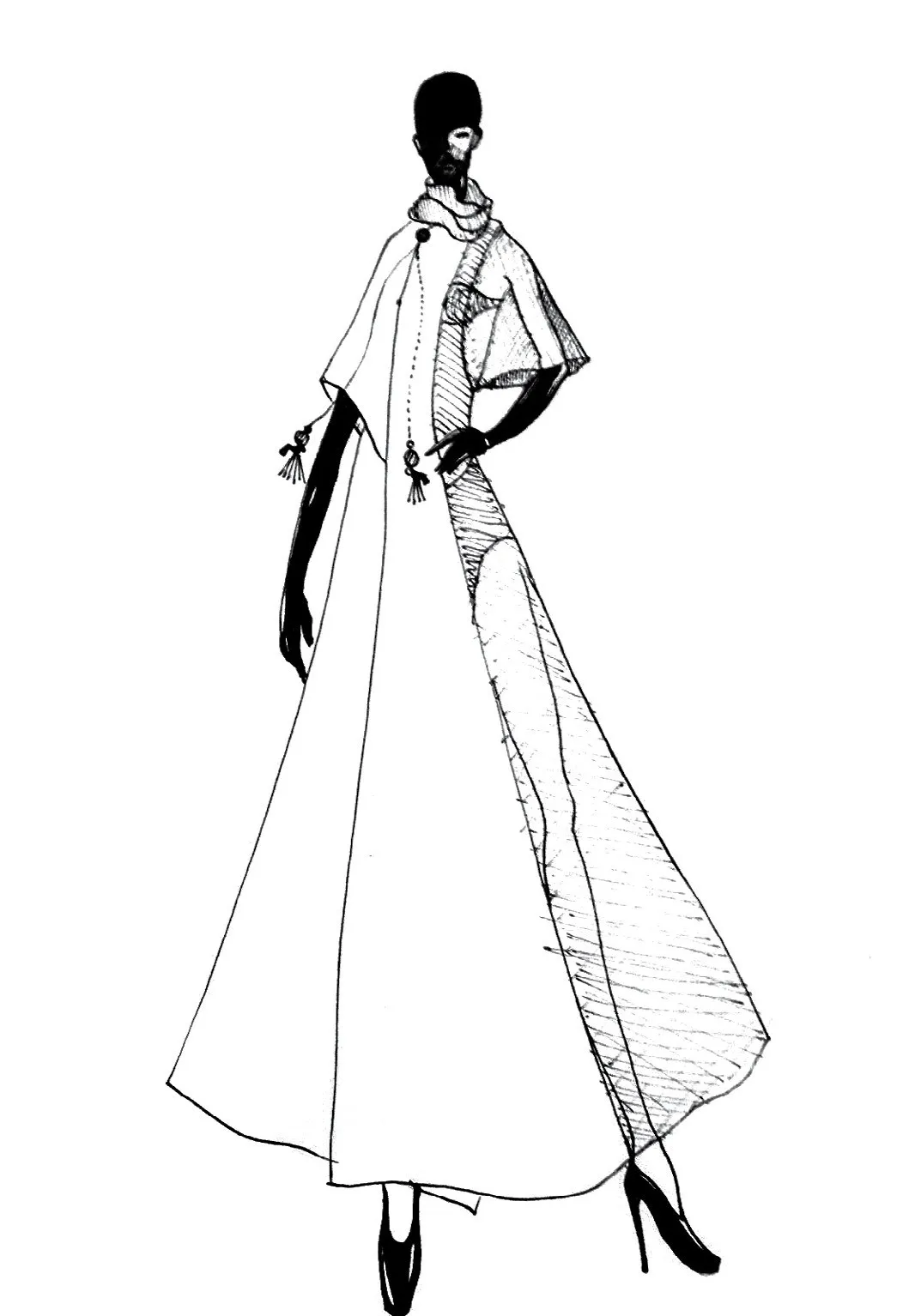
Joy Mitra
“50 years from now, mankind will face disastrous consequences, as we have abused nature. Women will be getting fitter and more conscious about their food habits and lifestyle. They will go back to the basics and opt for comfort with a lot more emphasis on personal style. The future will see a marriage between East and West in the true sense. My sketch epitomises a stylish woman, who loves simplicity and comfort-two things which will change the future of fashion.”
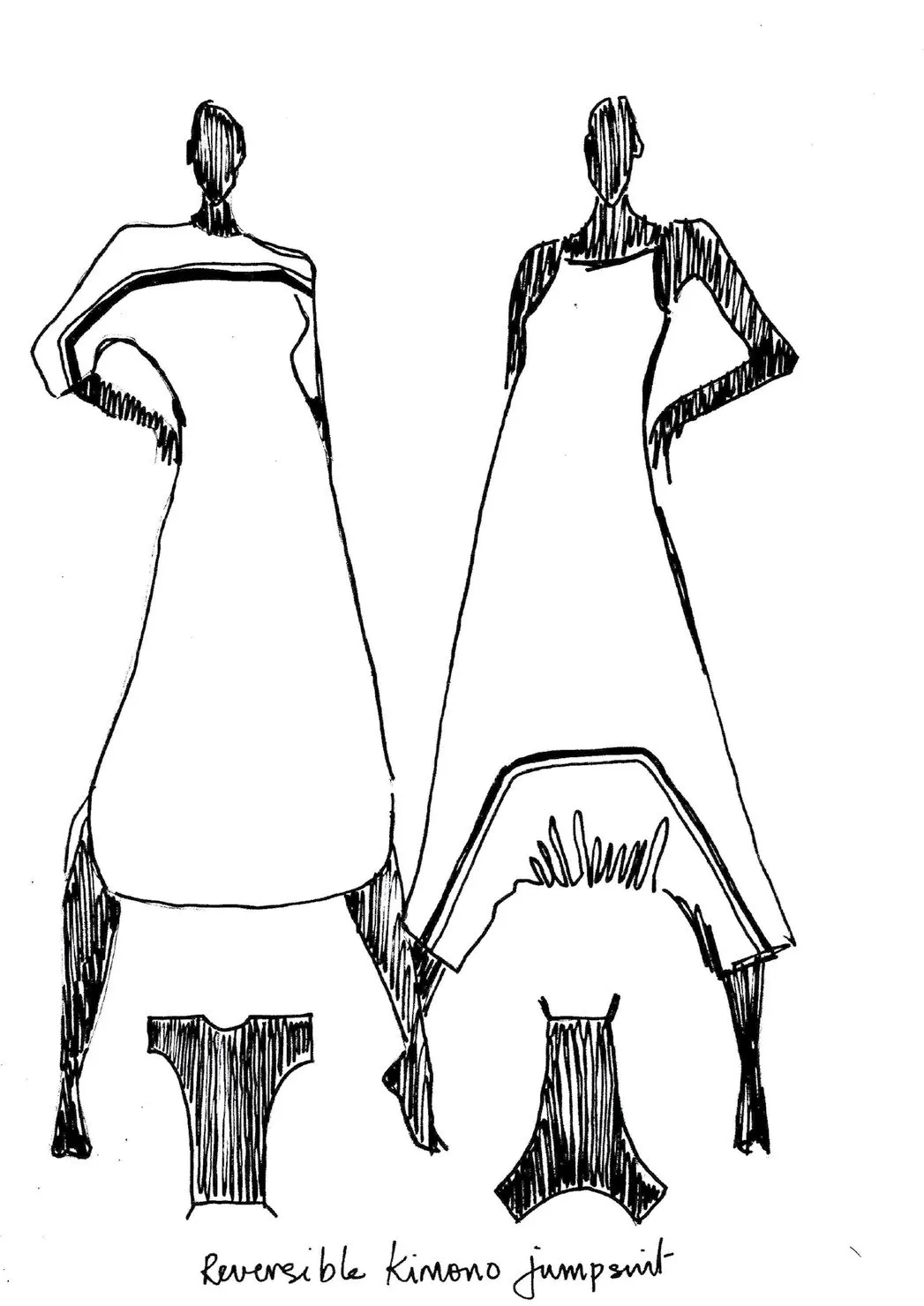
Sreejith Jeevan
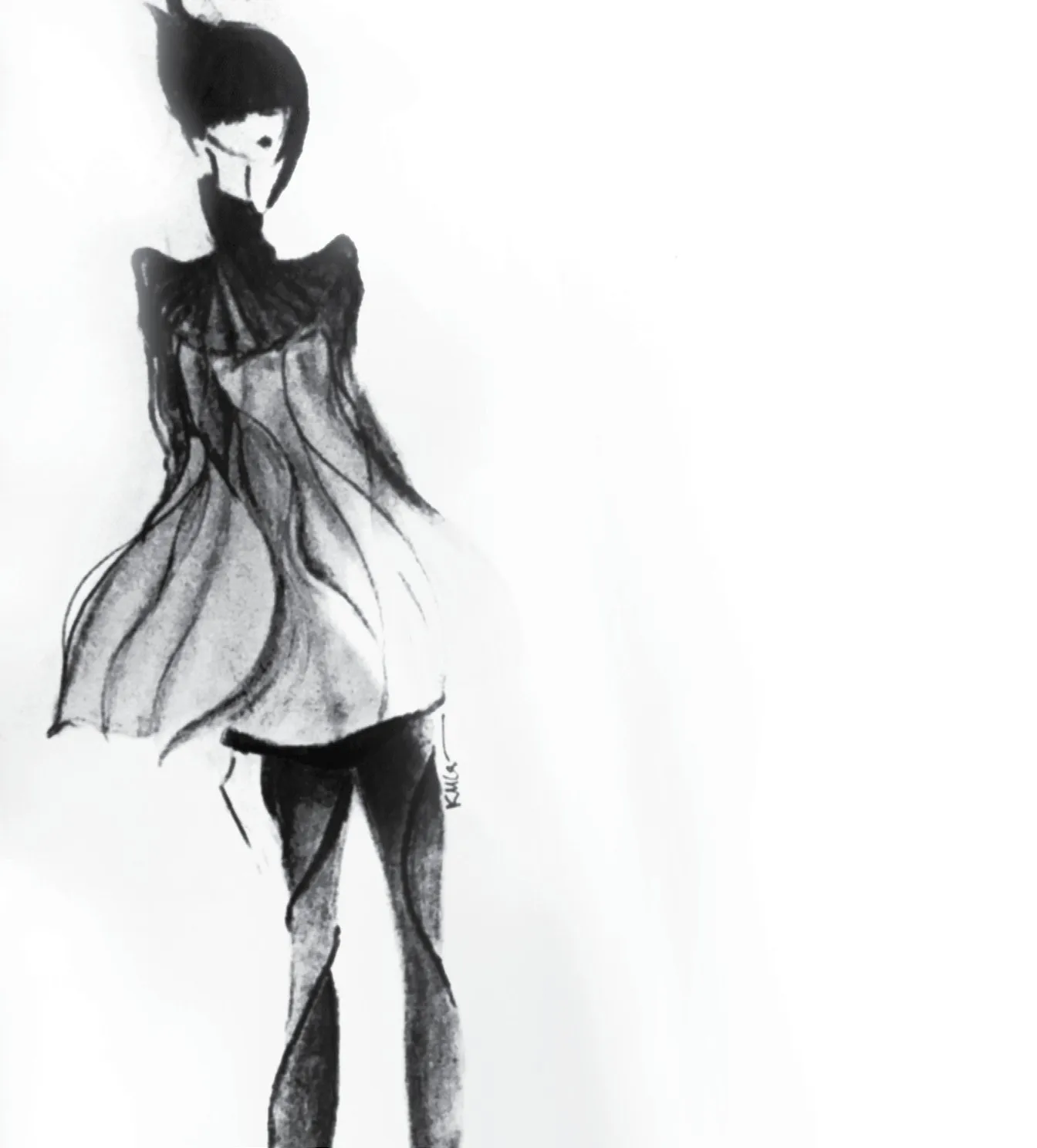
“Skills that we took for granted 10 years ago, have become objects of luxury. A handspun yarn, a handwoven fabric, cotton that does not hurt the farmer, a selvage of a different colour, a tiny handembroidered motif are just some of them. On the one side, technology will take over fashion and create its noise, but on the other side, fashion will shout through the luxury of a fabric that feels good, of clothes that last generations and of styles that never fade, through designs that would save every centimetre of the fabric!
The sketch shows a single-piece dress, one that becomes a jumpsuit when worn one way and can also be worn as a loose kimono dress when turned the other way. The idea is to show how we would make clothes multitask because fabric by itself is going to be so precious. Designers will make products that are simple but add value to it by sheer design. Simple details such as a stripe (or kara) will be the one detail that adds graphic value to the ensemble.”
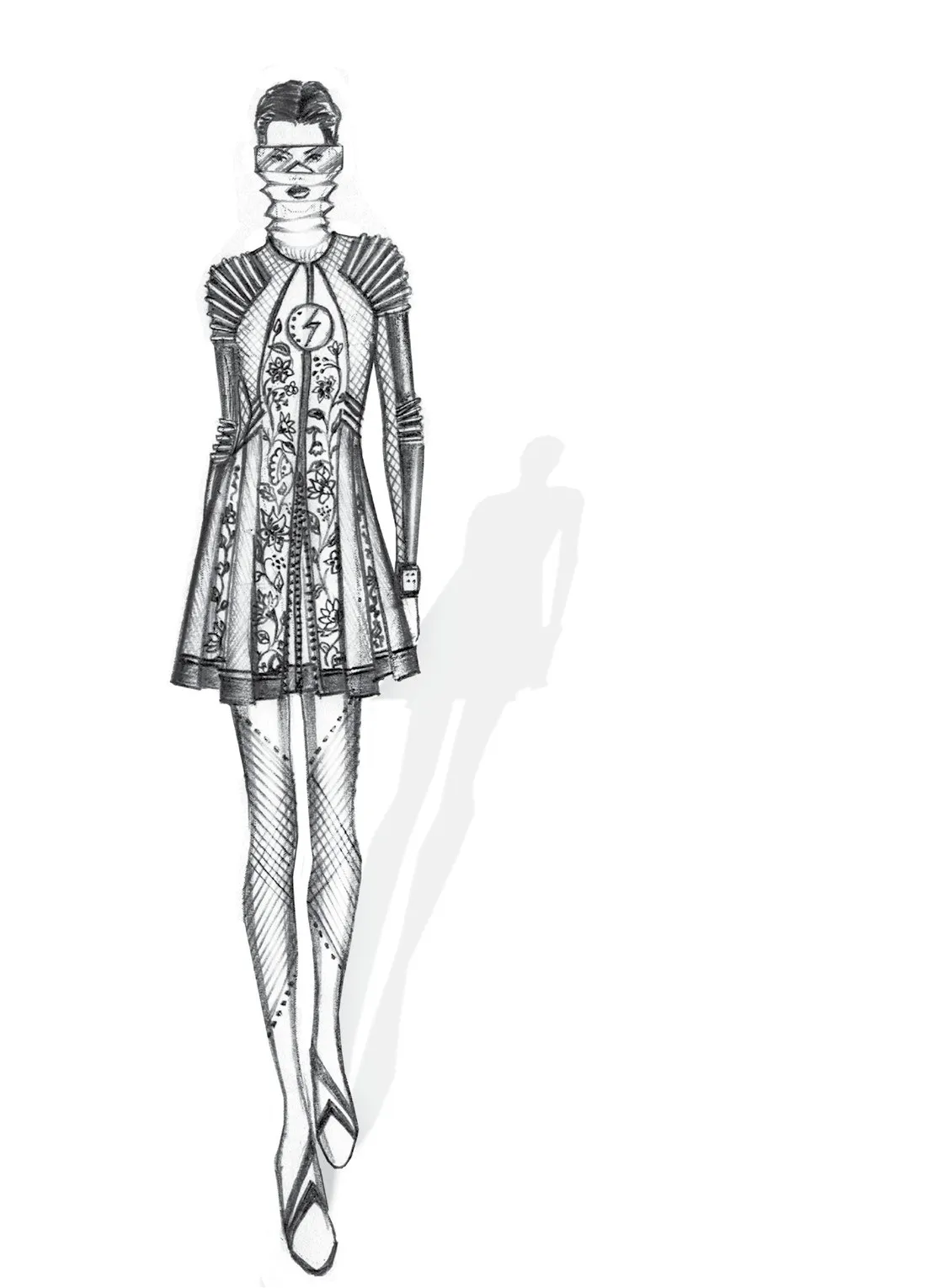
Rahul Mishra
“50 years down the line, I think a lot of scientific progress would have taken place, along with design progress. The sketch has been made keeping these changes in mind. India is a polluted country. Even a city like London took 15-20 years to get cleaner air, and of course, pollution is much higher here.
The mask is dedicated to this, in the hope that we start taking out the extra time required to begin this process. The shoulder has a very interesting 3D sort of a look, and the shape of the garment, and the way it will be made, will allow for 360-degree movement of the arm. The idea behind this is to use a new-age fibre, which is sort of like a cross-stitch fibre, known as thermocouple. This fibre allows for thermal conduction, which, when woven with a normal fabric like cotton yarn, will help regulate the body temperature. There is also an interesting floral motif incorporated into the design.
Of course, we will still have handlooms in 50 years, but even they will be more sophisticated. There will be greater innovation in textile and the content of fibre, leading to lightweight fabrics. This fibre will give fashion that unique edge. For me, the edgiest part of the sketch is the centre, which is actually inspired by Iron Man, and has that sort of powerful look. The centre holds the whole outfit together, and almost creates a sensation of power rising from the core of the outfit. The dominant shoulders and robust silhouettes are going to be the future of fashion.”
Kiran Uttam Ghosh
“To assume my imagination can stretch that far and be accurate, would be utopian. Women will dress pretty much as they do today as depicted in my sketch. However, the changes in how they will dress is more likely to be in technology, design, manufacture, distribution and merchandising of apparel, as well as functionality of materials used, performance and costs. Craft, with all its heritage vocabulary like ‘bespoke’ and ‘handmade’ would have gone further, beyond the world of traditional materials to also embrace the highly technical.
These technical products will not be black, chrome or necessarily shiny, but just like they should be, like the original old-world couture pieces—tan, burgundy, intricately detailed, aged and faded. Women’s fashions will evolve and will keep evolving, replacing the old with the new and the not-so-new, as they do so now. But all in a manner that’s more evolutionary than revolutionary, because clothing is very personal—it is a person’s most intimate environment.’’
From the October 2015 issue of L’Officiel India.
Spotted a mistake, or your photo used without permission? Report a correction