Blurring the Norms
Could fashion help reshape a traditional, conservative country that heavily relies on traditional gender norms?
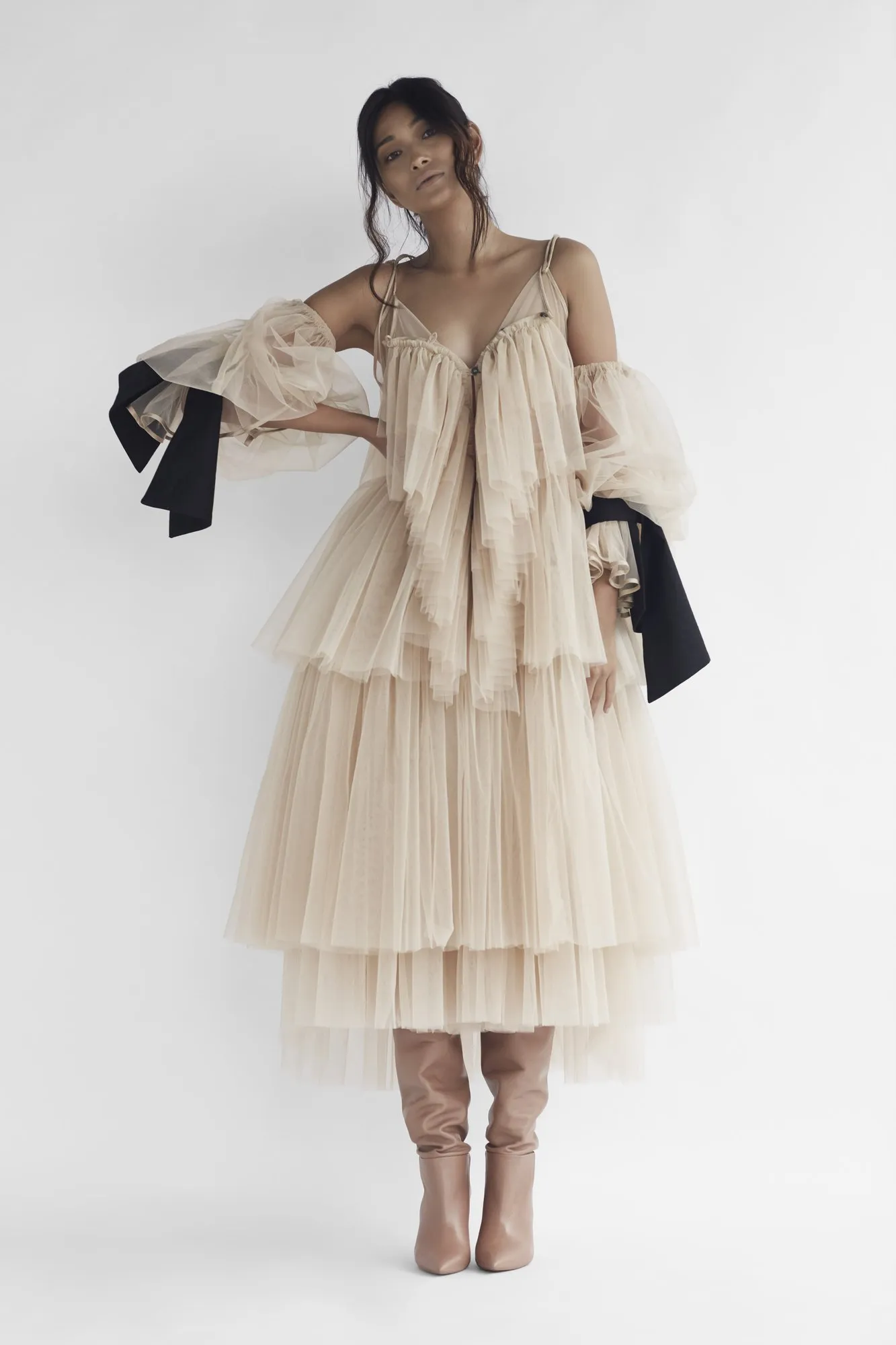




In more progressive parts of the world, genderless fashion is nothing new, but for a place steeped in conservatism, like India, the idea is still rather niche. Yet in the last couple of years, the fashion trend has been more emerging thanks to a group of emerging Indian fashion designers who view clothing as a subtle yet inclusive way to talk about gender expression and identity.
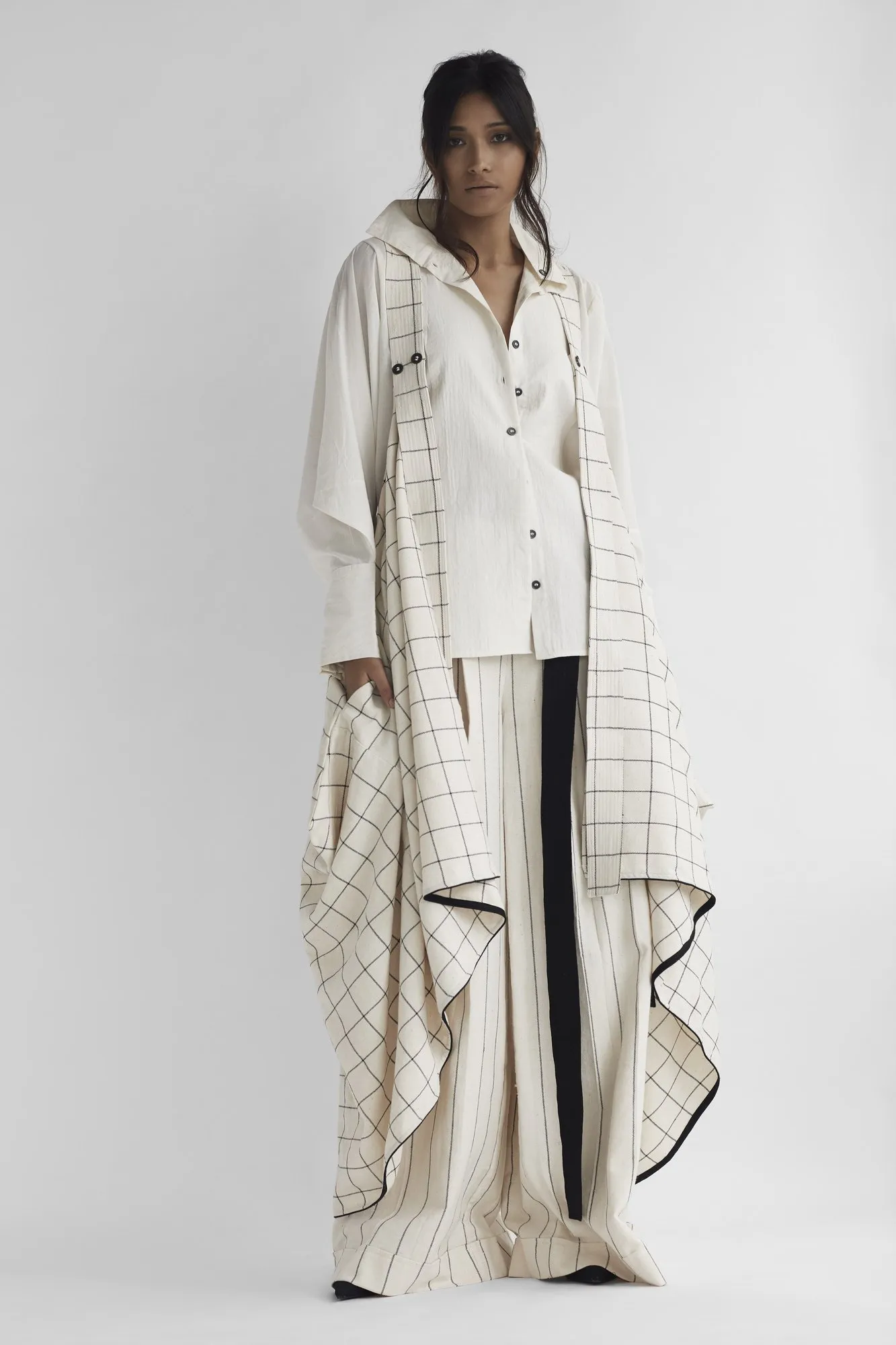
Genderless fashion may be defined as a concept that sees a garment not being prescribed to a preferred gender when designed, differencing itself from fashion’s established notions of “menswear” and “womenswear”. The Gen-Z, is going after the market for those who don’t want or care if their clothes are categorized as male or female, or those who are looking to shop and identify outside of the traditional gender binary. We can immediately see that spring/summer 2019 is set to revolutionise the way we see and wear clothes.
 L’Officiel India DigitalRead L’Officiel India in the digital libraryEvery issue and every cover story, on TCG Media.Read now
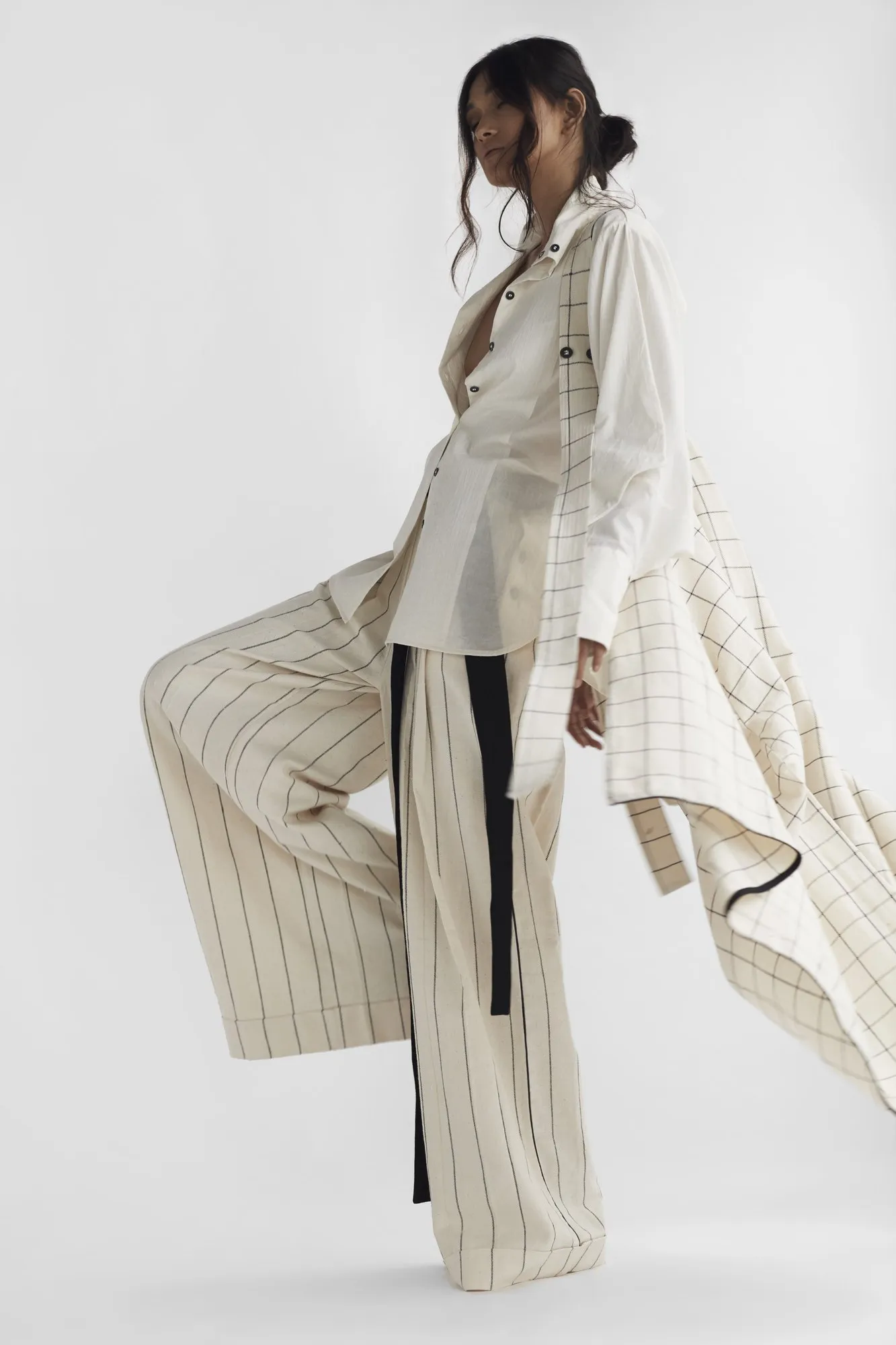
With thousands of column and stories devoted to the topic of gender identity every week, it’s refreshing to be reminded of Jeffrey Eugenides’ summation of the subject in just six words: “Sex is biological. Gender is cultural.” When expressed so concisely, it’s no surprise his 2002 book, Middlesex, won the Pulitzer Prize. More importantly, it opens up the discussion that gender is nothing more than an idea that’s open to everyones interpretation.
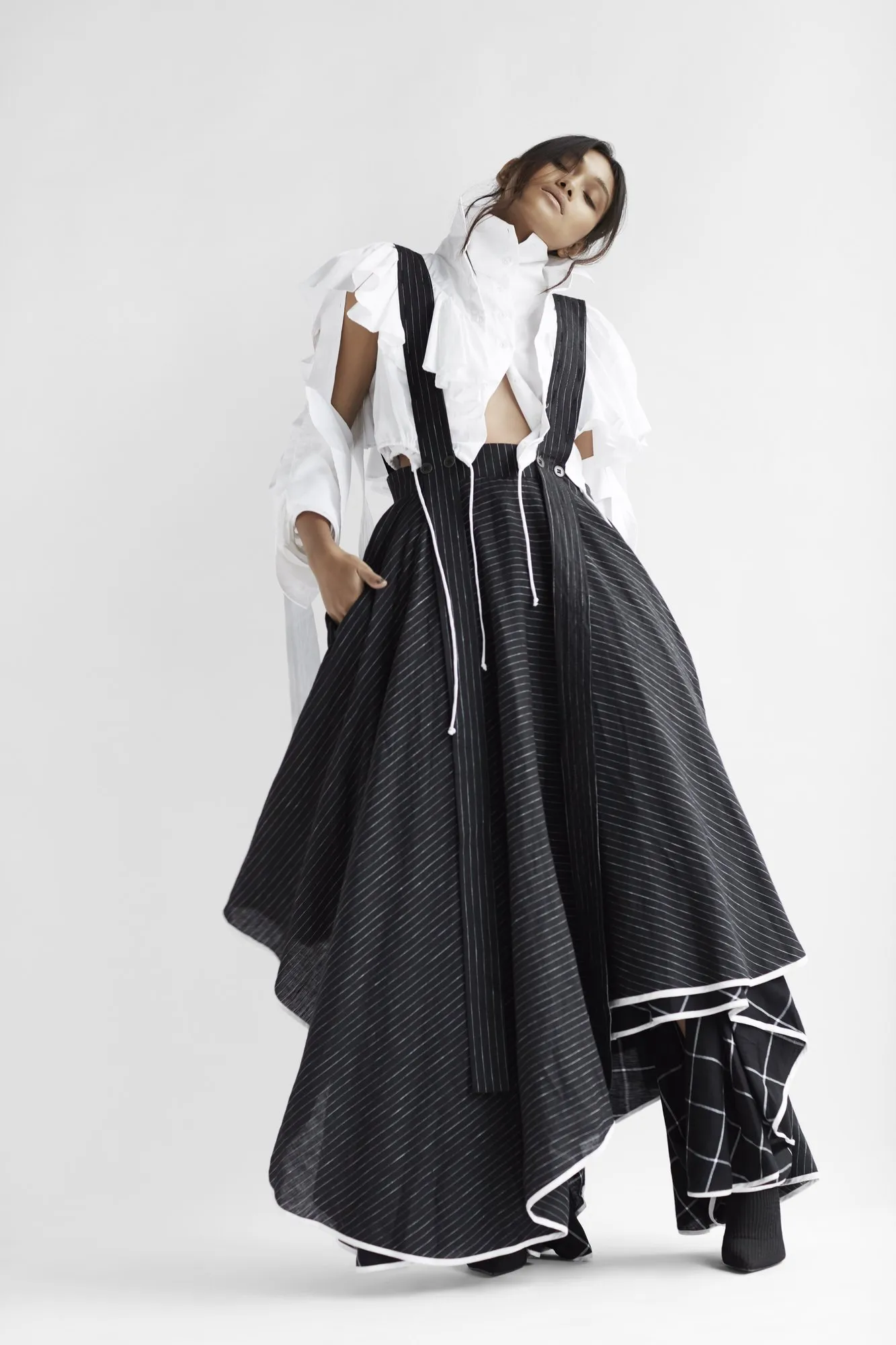
By putting men in traditional feminine silhouettes, and not allow the age-old, patriarchal stereotypes on masculinity and femininity hold them back, emerging Indian designers are making their mark on the androgynous fashion scene.
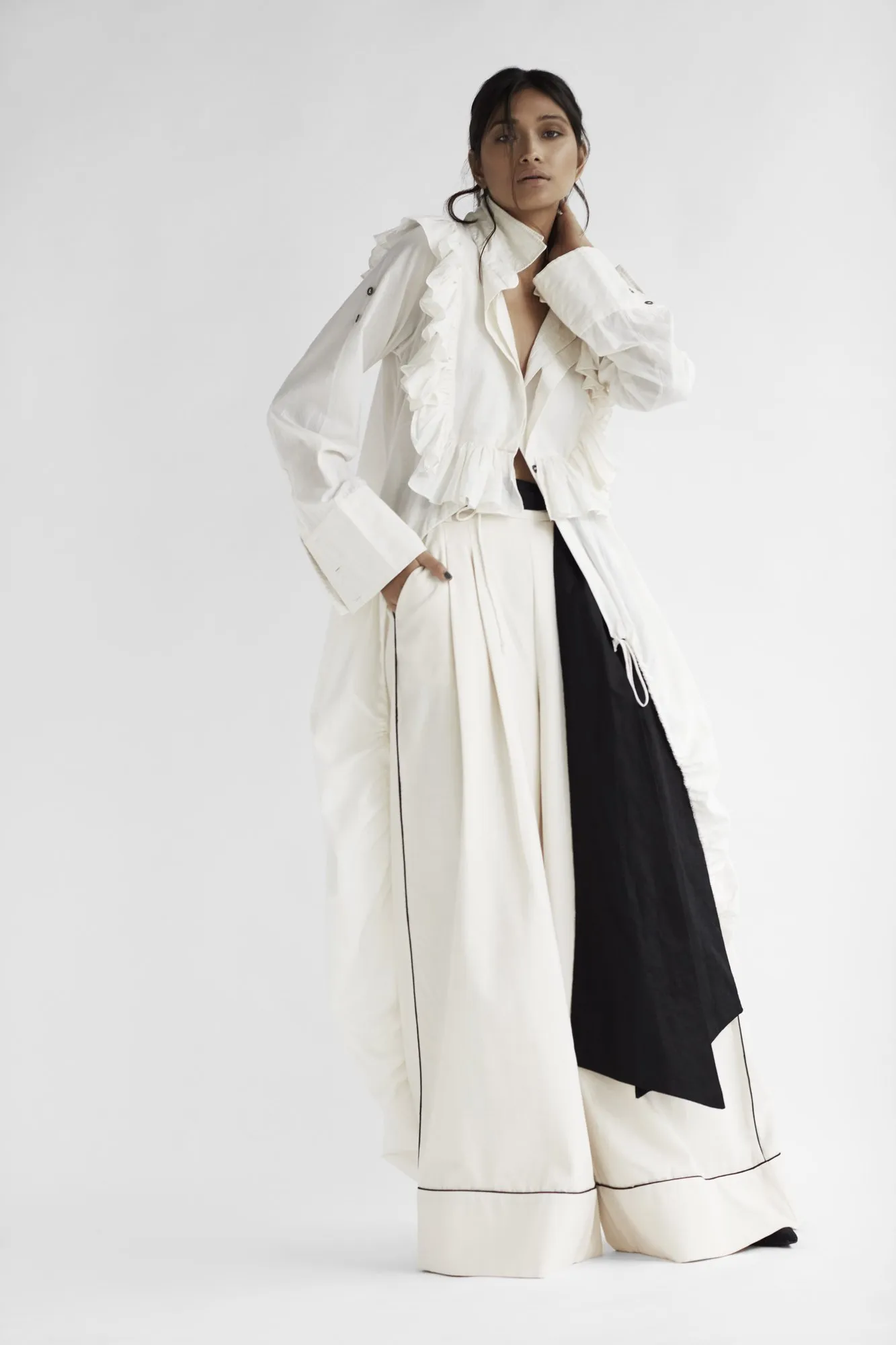
While in conversation with the designer Purushu Arie, we asked him the inspiration behind starting this brand, Purushu said, “It was the earliest push towards a conscious gender-less sartorial approach that began a decade ago when I was studying fashion design at NIFT New Delhi. As a fashion design student, we are initially taught to make womenswear styles which I either giveaway or ends up in a box carton. With time, I started making my womenswear assignments in such way that I could later wear them. This was also the period when I was studying costume history in detail and it was a fascinating revelation to learn that earliest people who wore clothes didn't wear menswear or womenswear... they just wore clothes devoid of any gender tags as such. Studying more on gender non-binary helped me organize my own scattered genderless sartorial notions.”
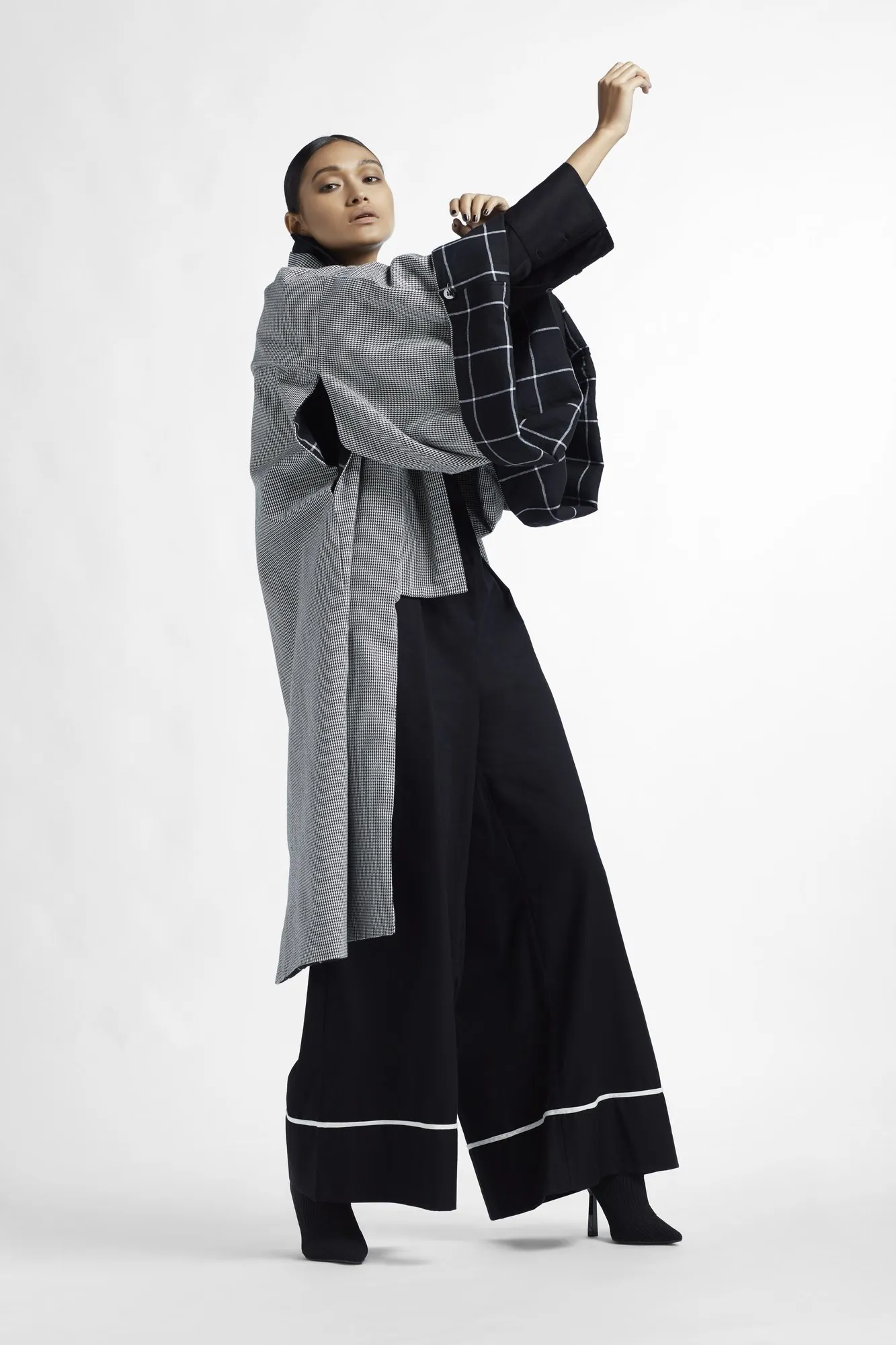
Taking the voice of gender neutrality forward are duo Ruchika Parab and Shruti Singhi of Generation Mixx, a fashion line that is behind the ‘Boys Equal Girls’ t-shirt, which has been taking the world by storm. We asked them, whether men and women really wanted genderless fashion? “We don’t believe it’s as much about genderless fashion as it is about freedom of expression. People should have the freedom to wear what they want without fear of persecution or being ostracised. And if the idea of genderless fashion – seeing more people in the main stream media sport these looks, making them more acceptable it’s great. But one does run the risk of being tokenistic”, said Ruchika.
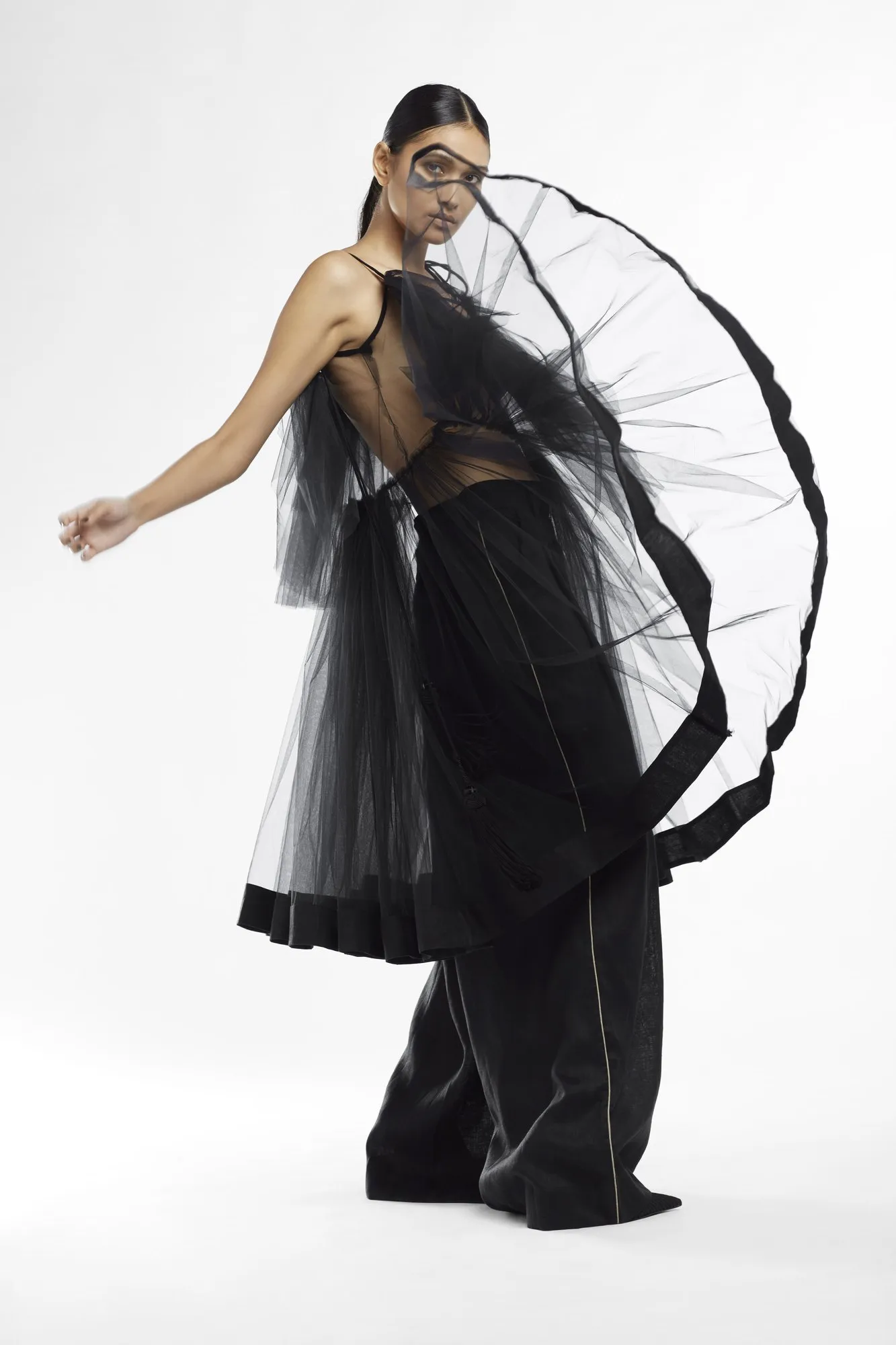
Designer Sohaya Misra of Chola, commented on the notion of genderless fashion only being a contemporary trend or a movement. Sohaya said “I don’t think genderless fashion is a trend at all. Gender benders have always existed. Just that now as a society we are rightly learning to acknowledge their presence, which is something that we should have done a long time ago. It’s people expressing themselves wearing what they want to wear so obviously genderless fashion is here to stay. I mean it’s neither a concept nor a trend. It’s a reality. It’s how people exist. It’s who they are.”
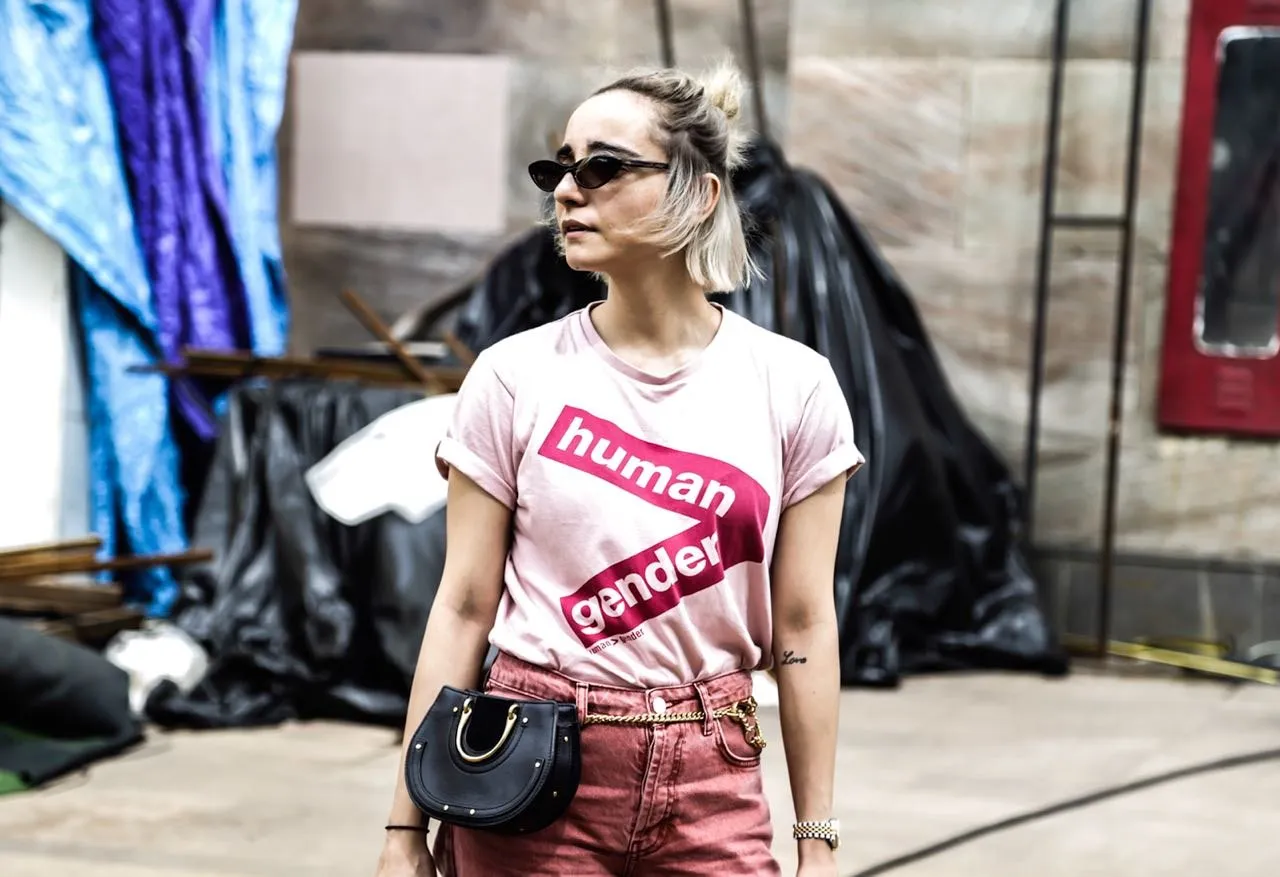
Likewise Pranav Sharma, co-founder of HUEMN, said “Genderless fashion is not about clothes, it’s about identity, you cannot dress up people in certain clothes which according to you are genderless, you can’t treat them as mannequins. I see images of publications and people coming out and dressing up men extensively in skirts and women in pants and calling it genderless, in a way it’s drawn from a mood board of people who have come and as who they are, wherein men identify themselves with more feminine energy and women identifying themselves with a more masculine or androgynous energy. But that does not define genderless fashion. It’s about walking around in the society without an eyebrow being raised at you.”
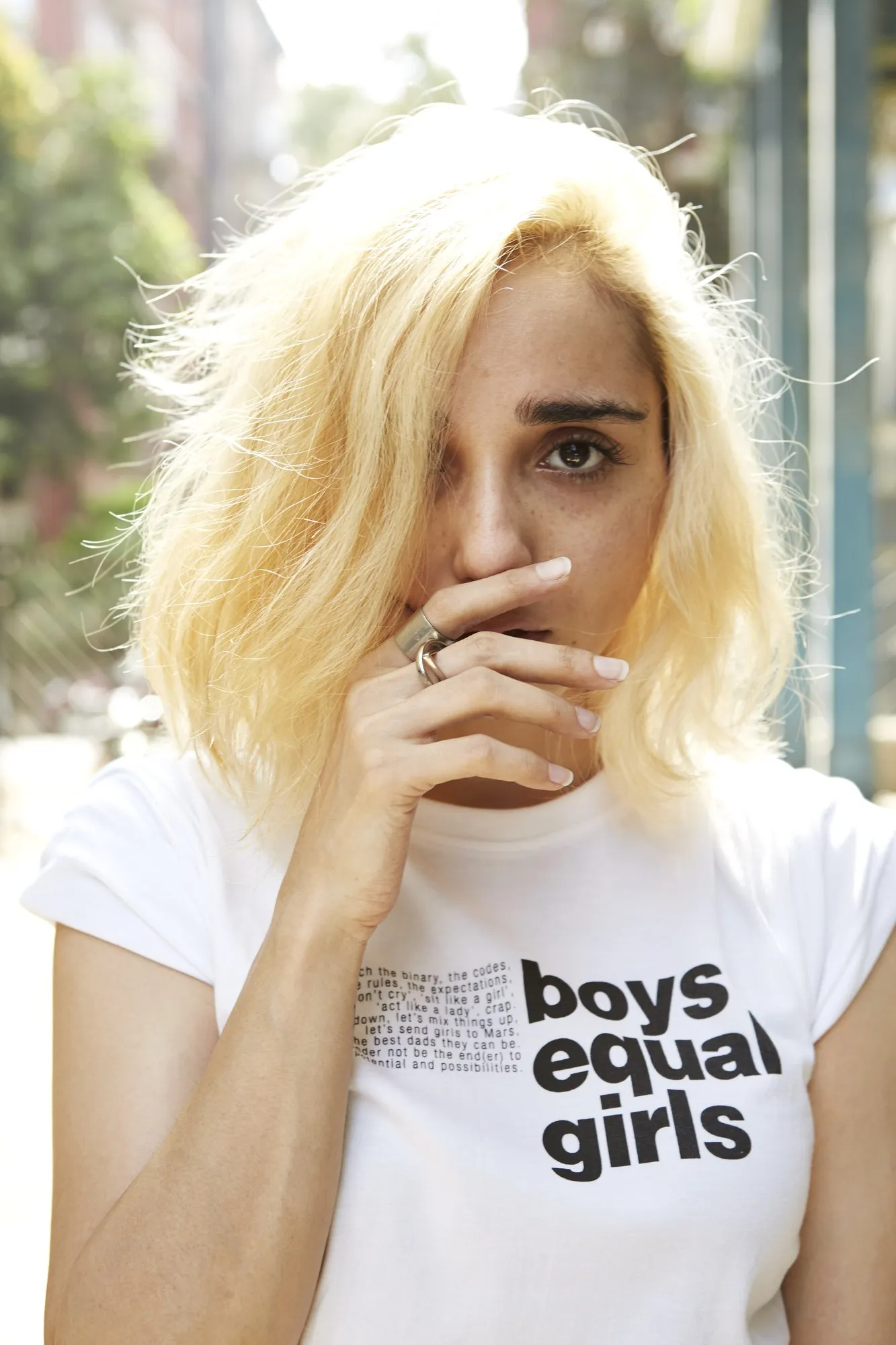
When genderless apparel first appeared on the scene, there was a question over whether or not it would be profitable, or just a niche category. Fashion has always been treated as an exclusive identity that has its own niche, but genderless fashion has come across in its way to be more inclusive. The time now is to be a leader and not a follower, and fluid fashion does not follow the consistent notion of fashion narratives, rather welcomes people to embrace their individuality. As Gen-Z becomes less concerned with whether or not their clothes are stigmatized as men’s and women’s, but rather with just clothes, the category now only stands to grow bigger.
Spotted a mistake, or your photo used without permission? Report a correction