The concept of growing food locally is becoming more and more popular, whether it is done through shared plots in new housing developments or small container gardens on apartment balconies.
Homeowners and communities are rethinking the function of outdoor spaces as environmental consciousness and interest in sustainable living rise. Nowadays, landscaping serves as a source of nutrition, well-being, and a sense of connection to the natural world. This change is reflected in edible landscapes, which provide a means of converting gardens into useful, aesthetically pleasing, and productive spaces. This movement appeals to people who wish to improve their everyday lives while lessening their impact on the environment because it is in line with more general lifestyle trends like self-sufficiency, organic eating, and urban farming.
The popularity of edible landscapes is a noteworthy trend in landscape design that is gaining traction. Food gardening is more popular now than it has been for more than ten years, according to recent data from the National Gardening Association. Incorporating a variety of fresh fruits, vegetables, and herbs into garden plans is becoming more and more popular among homeowners.
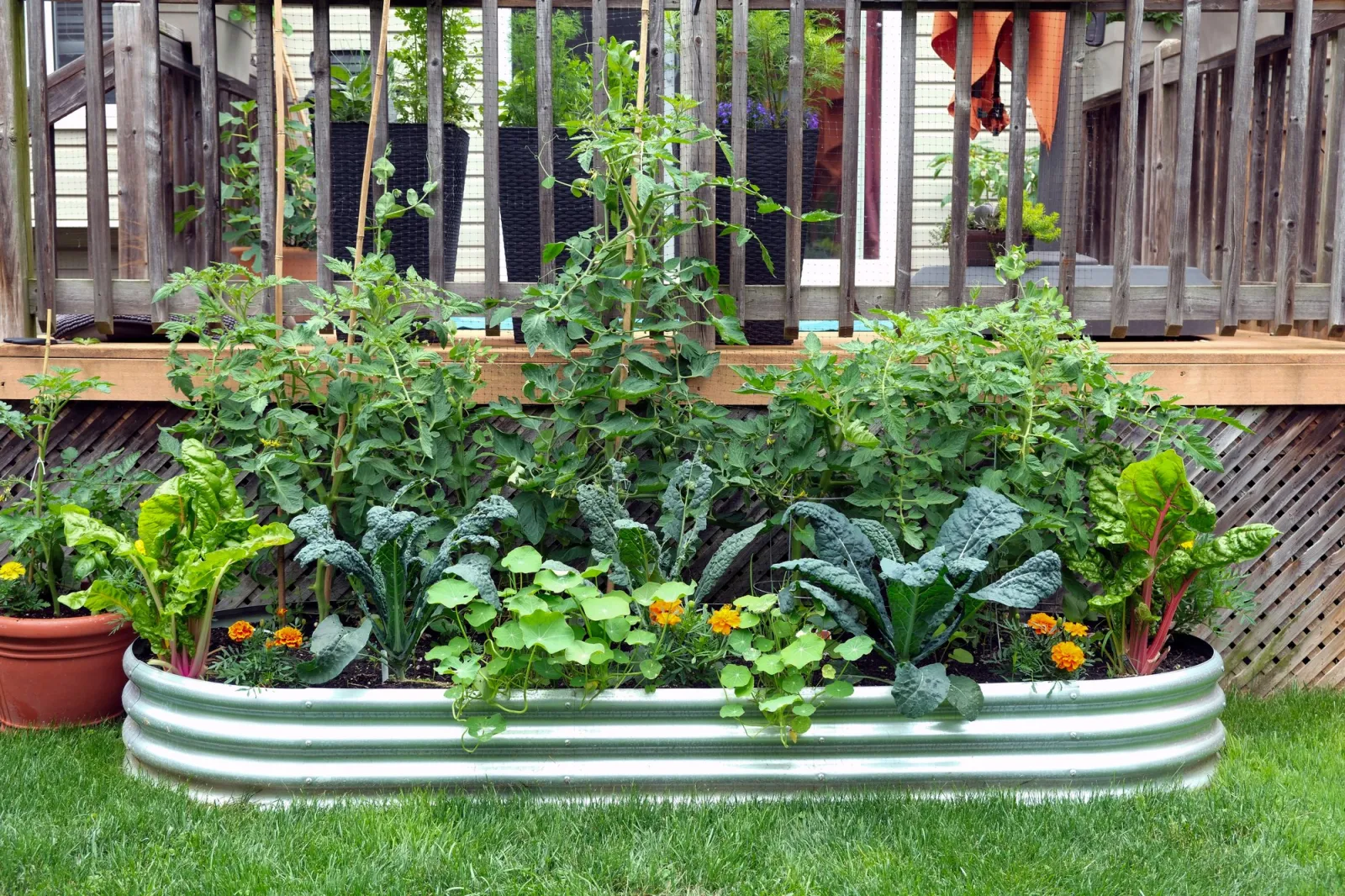
Growing food at home is not a novel idea; historically, people relied on their own gardens or nearby farms for produce, and programs like the Victory Gardens during World War I were established to reduce the demand on public food supplies. However, it has taken on a contemporary spin. Modern gardeners are combining ornamental plants with edibles in place of traditional rows of crops. This integrated approach promotes a healthy garden ecosystem in addition to offering a more aesthetically pleasing design that is comparable to traditional flower beds. To help shield edible plants from dangerous pests, some flowering plants can draw pollinators and other beneficial insects.
Modern gardeners are combining ornamental plants with edibles in place of traditional rows of crops.
Additionally, edible gardening is becoming more popular outside of traditional backyards. Nowadays, homeowners are growing fruits, vegetables, and herbs in containers on their patios, balconies, decks, and even inside their homes. As a result of this change, numerous small-space-friendly, ornamental plant varieties have been created. These offer visually appealing and useful options for container gardening and include dwarf and miniature cultivars like Meyer lemon trees, lollipop-sized watermelons, compact basil varieties, prairie fire peppers, and petite cherry tomatoes.
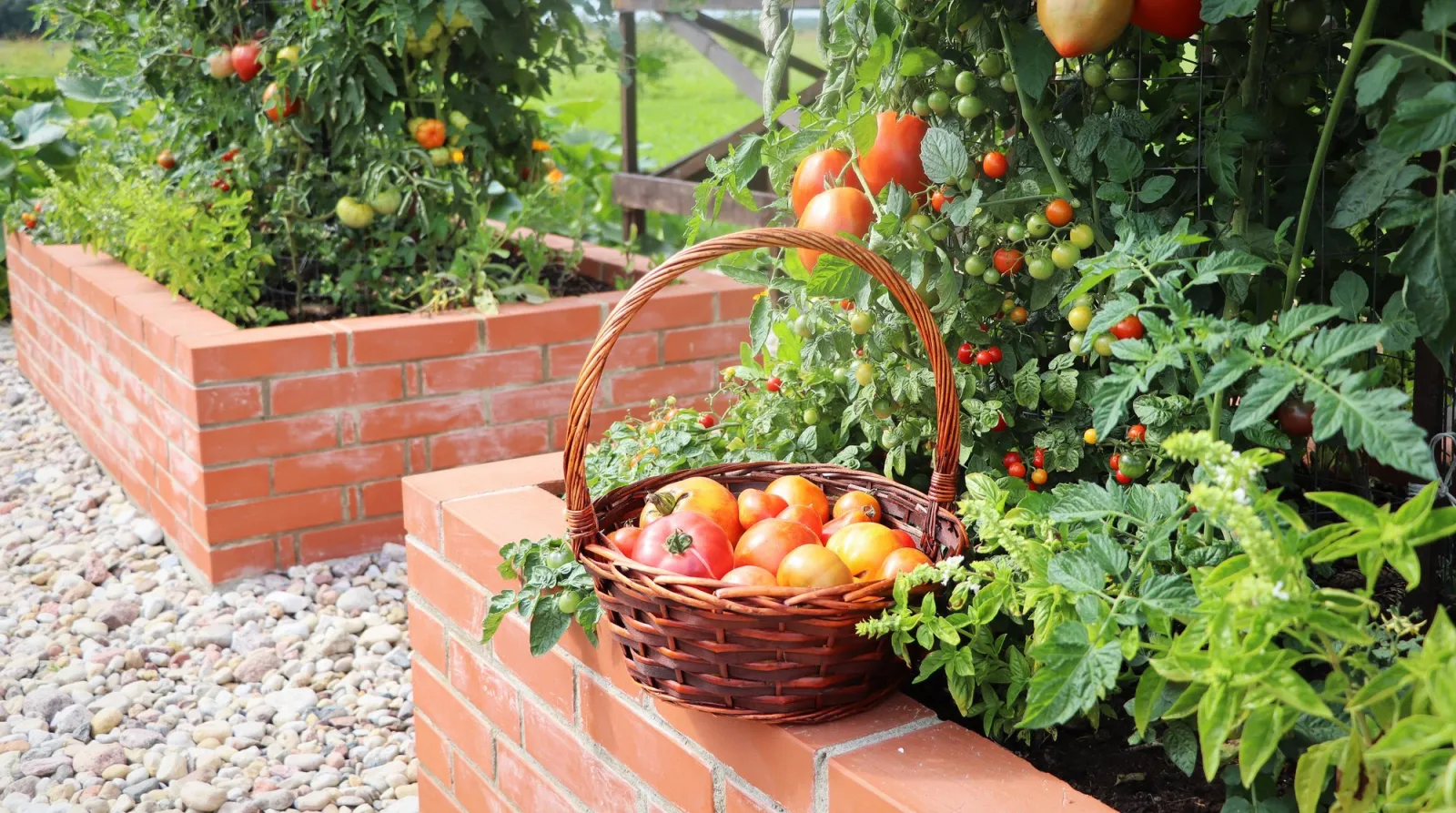
Including community gardens in residential developments is another way that this trend is being extended. Increasingly, communal gardening spaces are being incorporated into the design of new housing projects, ranging from affordable housing to luxury condos and single-family homes. These communal gardens seek to encourage outdoor recreation, community involvement, and a sustainable lifestyle that prioritizes access to fresh food.





 L’Officiel India DigitalRead L’Officiel India in the digital libraryEvery issue and every cover story, on TCG Media.Read now