Beauty revisited
How have our standards changed with respect to what we consider beautiful and what does this say about the evolving socio-economic trends we live in?




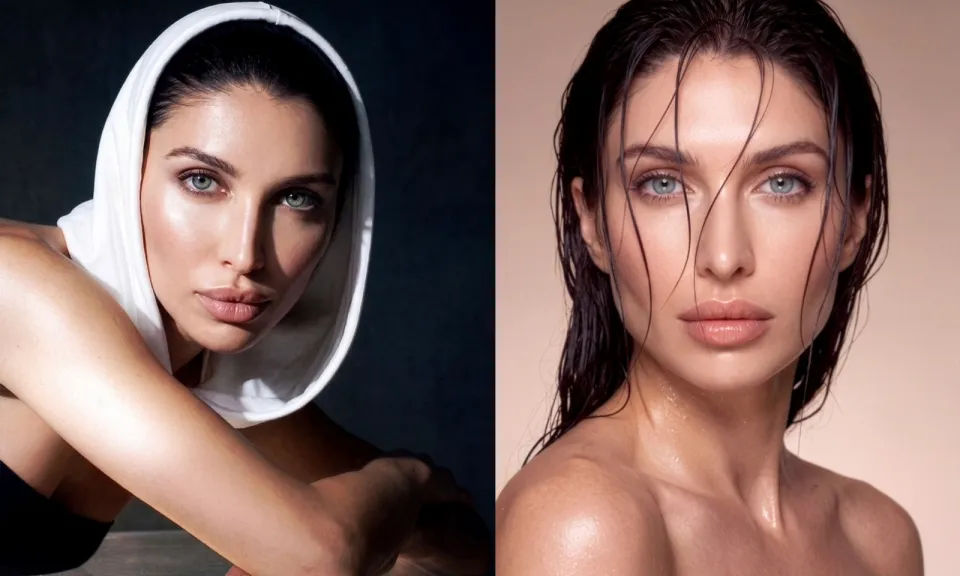
Carmen Dell’ Orefice has enjoyed a very long career and at 85, is one of the highest paid models today. Seen, most recently, alongside Sasha Pivovarova, one of fashion’s biggest stars, in a large department store’s campaign and you cannot help but look at both of them as being at par with one another.

The star of Gucci's latest campaign for its 2017 cruise collection is, none other than, 79-year-old Vanessa Redgrave. Alessandro Michele, the house’s creative director, picked the queen of British theater to wear his re-imagined regal uniform, instead of casting some hot and fresh person off of Instagram.
 L’Officiel India DigitalRead L’Officiel India in the digital libraryEvery issue and every cover story, on TCG Media.Read now

After decades of the deification that youth imposed, its strict, off-limits elitism on products, campaigns and consumers, we wonder if there is, indeed, a silver haired light at the end of the fashion tunnel. Gray hair, as mentioned in a recent New York Times article, has become the new trend. According to a survey conducted by the newspaper, some natives are willing to pay up to $ 350 in salons to dye their hair gray and thereby, add sophistication to their look.
Iris Apfel, the 95-year-old fashion icon, no longer stands out as a radical rarity. «Advanced Style» is an ongoing project by photographer and author Ari Seth Cohen aimed at “capturing the sartorial savvy of the older lot”, as he says: “I feature people who have lived full, creative lives. They live life to the fullest, age gracefully and continue to grow and challenge themselves.” Three books and a documentary later, his depiction of senior street style goddesses is jaw-dropping. Fashion’s obsession with non-age (or is it the opposite?) started as a marketing strategy, back in 2015, when Joni Mitchell and Joan Didion posed for the campaigns of Saint Laurent and Céline, respectively. The buzz back then was all about whether beauty is or isn’t «ageless». Breaking the boundaries of youth and beauty, fashion had finally opened its doors to real women who needed to be able to finally speak out in actual numbers. Age, size, anything. Was this the moment we had all been waiting for? Not quite. If you start thinking about numbers, the conversation ultimately leads to surveys and studies, the sort that big firms pay big figures to have access to, in order to sell well. The power and the money, according to these surveys, mostly belongs to women between the ages of 40 and 60, who know what they want and, more importantly, can afford it. After new parents and gay men, the industry had apparently found the next target group to unleash its marketing magic on.

IN THE EYE OF THE BEHOLDER

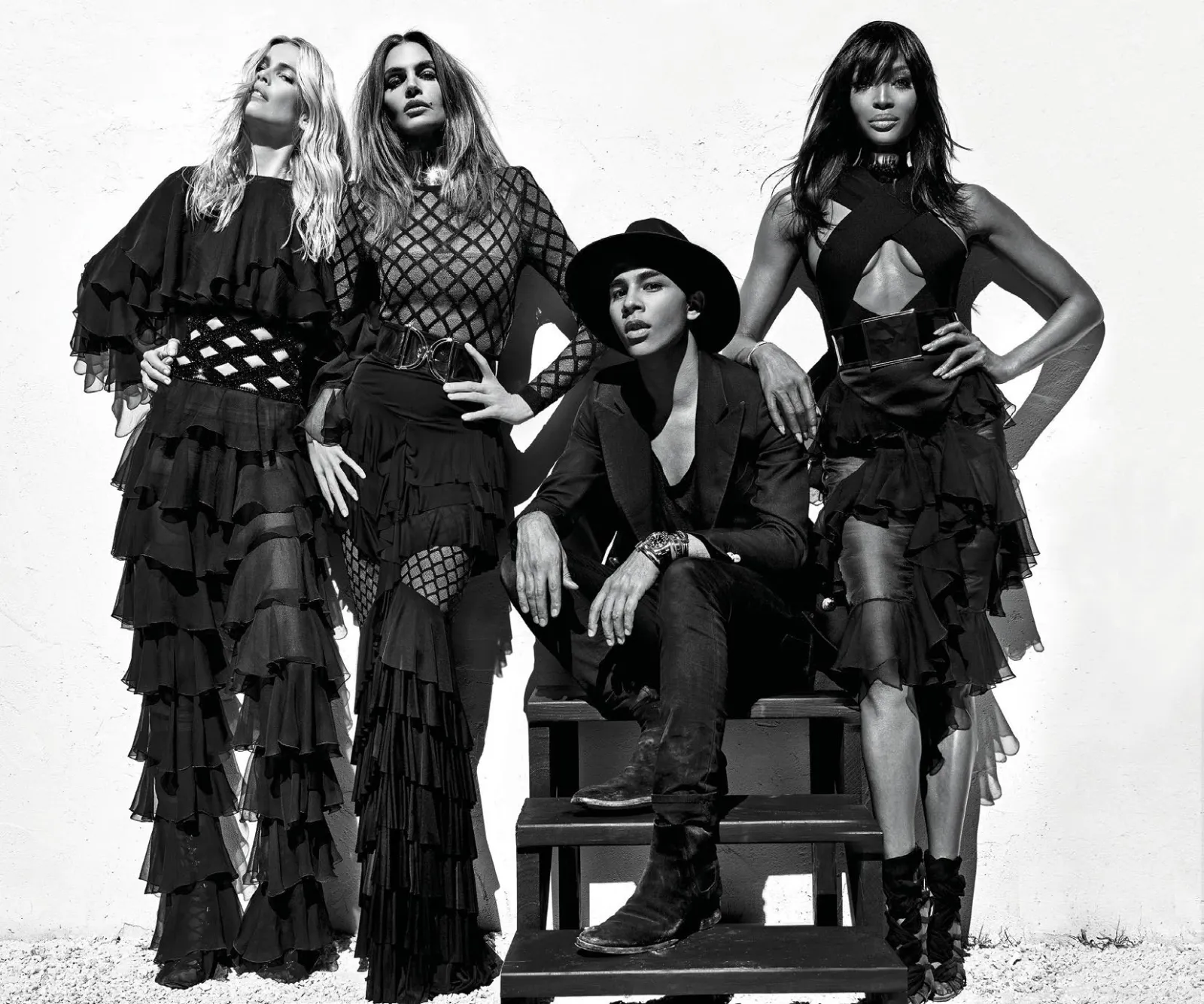
From Balmain’s Olivier Rousteing, who, for the house’s campaign in 2016, reunited three old classmates, Cindy Crawford, Naomi Campbell and Claudia Schiffer, all in their mid to late forties, to Hollywood which, only now, has acting roles and adoration for actresses like Jane Fonda and Robin Wright. Fonda is nearing eighty and Wright is fifty.

Just a glimpse at the hottest in social media, and you find that Instagram is flooded with icons such as Anna Dello Russo, Natalie Massenet, Ines de la Fresange, all of whom are in their fifties.

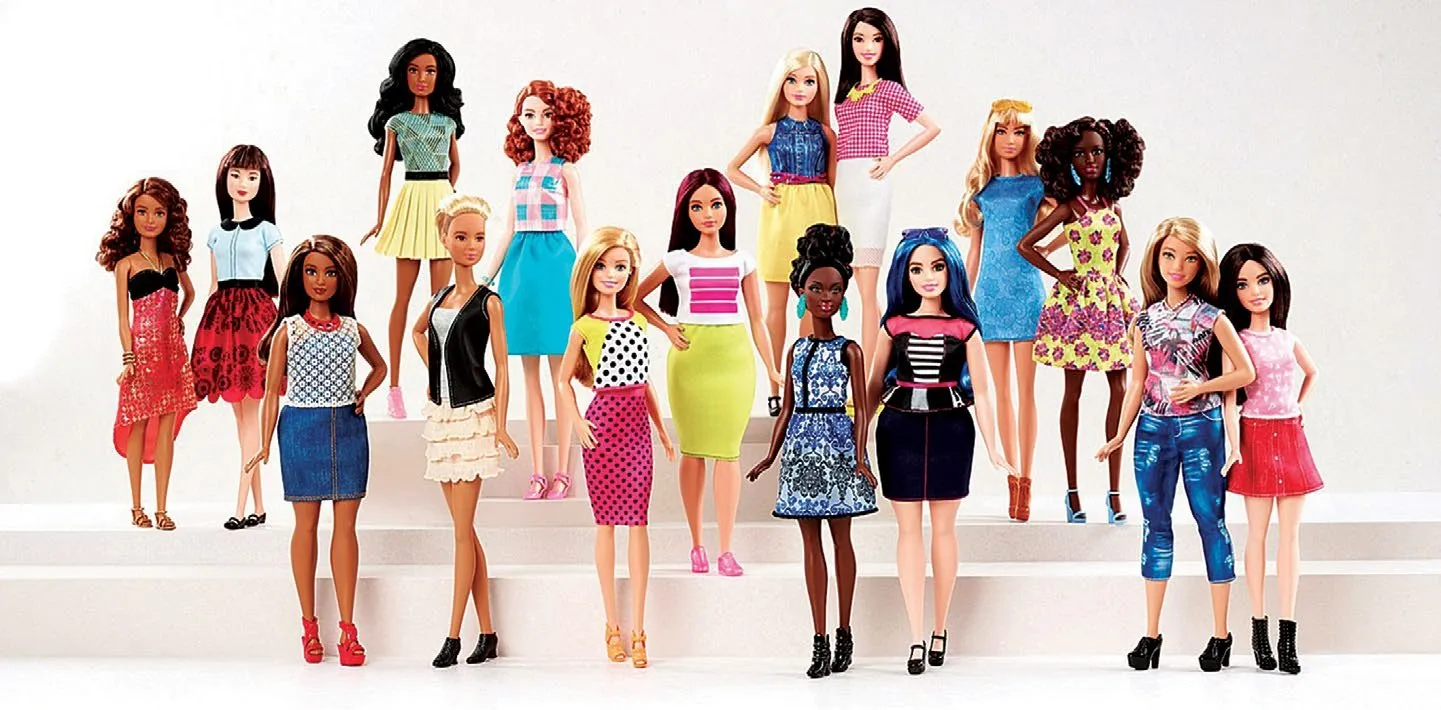
Human nature, in all its glory, has never sold so well. When Adele, one of music’s powerhouse performers, is worth 75 million dollars (as of 2016), who cares if Karl Lagerfeld once called her «fat» – only to change it to «round» a year later? Even Mattel, Barbie’s mother company, issued a «fashionistas» line incorporating these new, now mainstream, standards of beauty. The new Barbies have seven different skin tones and three new body types, very tall, petite, and plump and curvy, the latter, everyone is betting, will sell like hot cakes. Of course it is no secret that Mattel sales were at an all-time low, since Barbie’s launch in 1959. A small price to pay for all the agony and hunger the unrealistic role model imposed on young girls, one might argue…"Some of the things that have been said about Barbie include that she was a terrible role model for girls, representing an unrealistic body type," says Jess Winner, a marketing specialist who has worked with companies such as Dove, Disney and Mattel, helping them develop positive messages for young girls. The secret project that gave Barbie a new, human form, lasted two years and was code-named Project Dawn. And it doesn’t just stop at girls and their body consciousness. A whole campaign called #toylikeme is aimed at demanding representations for more than a hundred and fifty million children with disabilities who are unable to identify with their toys.
MISS CONGENIALITY
As the year comes to an end, so does the 2016 Pirelli calendar photographed by Annie Leibovitz, featuring the plump and hilarious Amy Schumer, together with «alternative pin ups» Patty Smith, Serena Williams and Yoko Ono. Is Pirelli, after years of objectifying women and their bodies, having a change of heart? Or is the company simply wise enough to follow the industry’s changing trend? No matter what came first, the chicken or the egg, we have to acknowledge the fact that, in a world still trying to find its identity after the tremendous economic and social crises, the conversation is real. But is this the change in values we, as women, were expecting, when we were burning our bras back in the sixties? Or, are we being molded into a new shape and form, chosen for us by someone else? Are we only the shapes and numbers we find in big department stores? Maybe the secret is to simply stop trying to fit in. Maybe the real revolution will come when we accept and love ourselves in our actual sizes, colors, ages, shapes and look in the mirror with a big smile on our faces, no matter what we see looking back at us. Maybe we should start living with a specific made-to-order attitude and demand that everything around us adapts to our special and different needs. One size does not fit all, and the sooner we realise it, the faster we will understand that fashion, beauty, or entertainment are here to follow, not lead the way.
Spotted a mistake, or your photo used without permission? Report a correction