Beauty, More Diverse Than Ever?
As more inclusive cosmetic brands begin to enter into the market, consumers begin to consider their ethics instead of the expansion of foundation shade ranges.
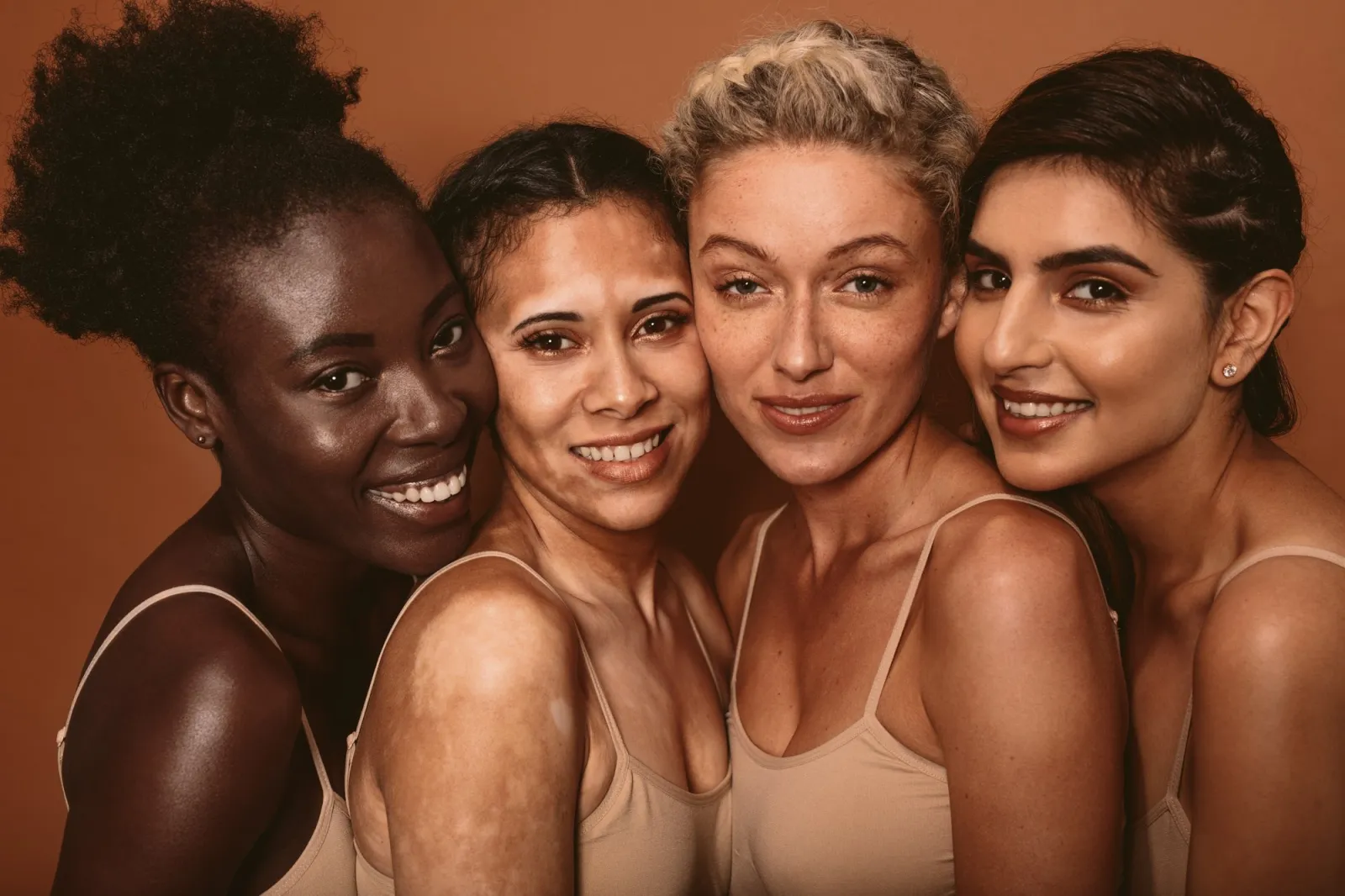




A generation ago, many brands promoted products by cultivating an image of privilege. Advertisements oozed wealth, glamour, and a very defined concept of beauty. The bulk of them centered on people who were thin, white, cisgender, and non-disabled. While ads based on exclusion haven’t vanished, today, inclusion sells.
It is interesting to know that a new skin tone is born every day, yet it is mind-boggling to think that it has taken years for beauty brands to take this into consideration when producing colour cosmetics. As of late, the beauty industry has started to make some great strides with this new era of inclusivity.
 L’Officiel India DigitalRead L’Officiel India in the digital libraryEvery issue and every cover story, on TCG Media.Read now
It’s hard to argue that a business can be truly innovative if it’s leaving out large swaths of the marketplace; a fashion brand can hardly call itself mainstream and superior if its size range is too small for the average shopper to wear. In this way, inclusivity has become its own metric for being best in class, and millennials are responding with their dollars.
Of course, a beauty brand that offers something for everyone is nothing new. After all the beauty world has made important strides in the recent years towards becoming more inclusive, thanks to the Fenty Effect, as the industry is calling it, and the rise of social media, it has given consumers and influencers a platform to use their voices to hold brands accountable.
Many cosmetic companies brand initiatives and business strategies are transparently centered around self-expression, self-empowerment, uniqueness, and revolting against the limitations that are placed on gender and diversity. But for many years the beauty space has treated women of color and their specific beauty needs as an afterthought and a special case to be handled when it suits the needs for sales. But Rihanna, Issa Rae, Kerry Washington and Lupita Nyong'o have ushered in new awareness and possibilities.
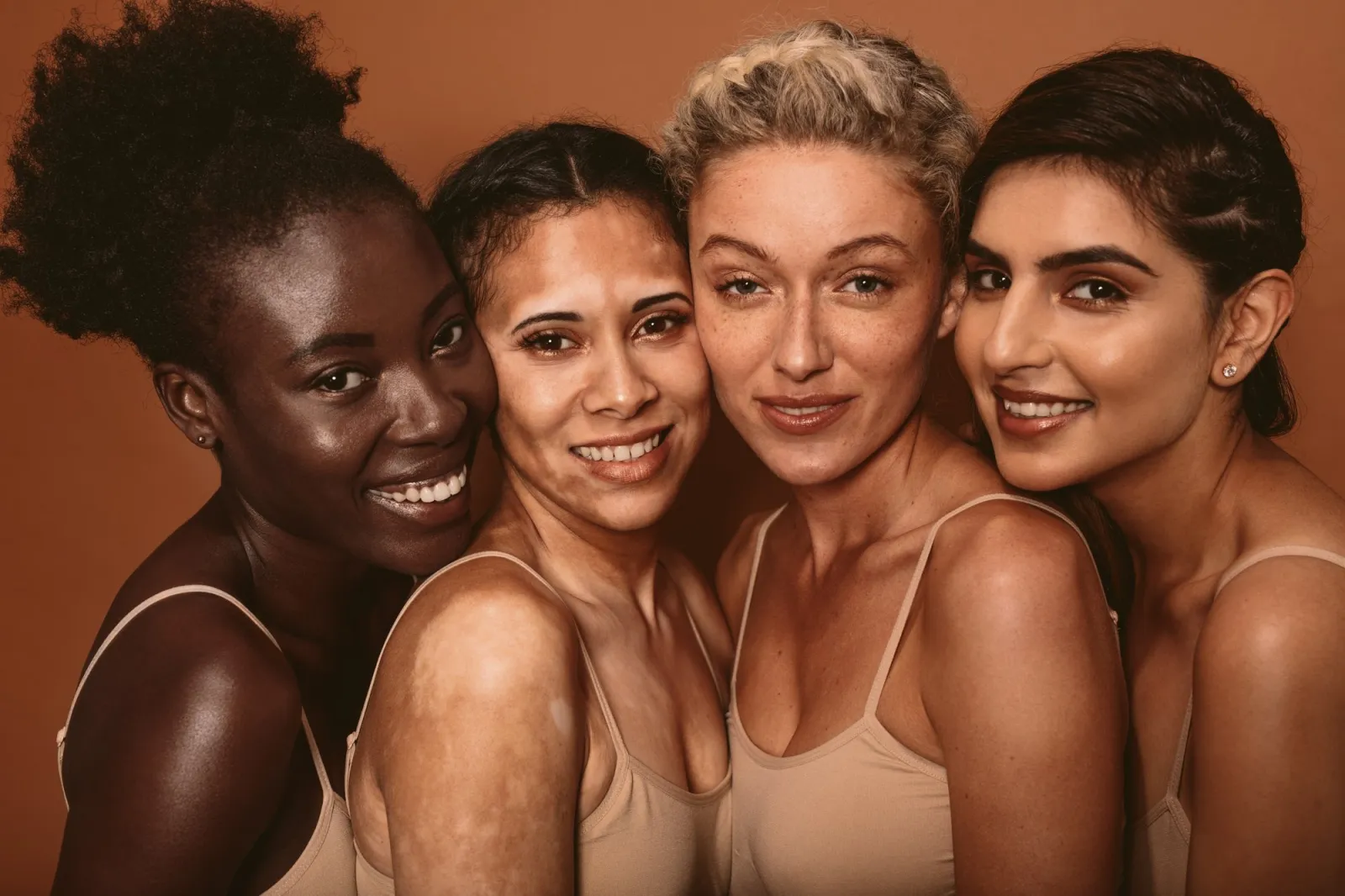
“To me beauty inclusivity, is about gender-free products, beauty products that caters to darker skin colour tones. Personalization of products for every individual. It is a serious issue that catering to darker skin colour tones only came to the forefront after the Fenty Effect. In a nation that has a predominantly dark skin toned population it’s ridiculous that so much importance is always given to fairer skin tones. As an artist I am constantly asked what colour tones one should use…especially the darker skin toned girls. Requests from brides to make them look fairer than their own colour tone. The choices are numerous but it’s time for people to make their own choices and voice it. This will result in more customization by the beauty industry” said Ambika Pillai, celebrity hairstylist and makeup artist.
Aside from the lack of diversity in foundation shade ranges, the cosmetic industry has put forth minimum effort when it comes to the representation of an older demographic. Yes, make-up brands are starting to make great improvements towards being more inclusive in terms of race, culture, and attitudes, but there is still one missing element that these brands are overlooking. There are hardly ever any models over the age of 30 who are being represented in these brands advertisements. The models that are usually cast for these marketing campaigns are often not even over the age of 25.
“Jane Fonda, Helen Mirren all these women are beautiful. Beauty is for every gender, every age and every size. The thing is when you start thinking that I am not beautiful or someone else in your life starts passing remarks on you in a negative way, it starts playing with your mind, when in reality all this should be shunned. Nobody should put you down like that. I myself am not the right body type and have transitioned through weight gain and weight loss, but it does not matter what body type you are. Whether you are 30, 45 or 70 for that matter, you need to believe that you are beautiful, you do not require that tag from someone else. People need to be made aware that whatever age one might be, you can look amazing” said Aarti Nayar, celebrity hairstylist and makeup artist, whose clients include Sonam Kapoor Ahuja, Kareena Kapoor Khan and Parineeti Chopra.
Although it is commendable that the beauty industry is finally starting to become a part of this important cultural conversation about diversity, it is important to raise the question of whether or not this conversation will continue to thrive and have a persisting effect on the beauty industry, or if it is just another trend that will soon bypass?
“I feel is it is a division between a trend and a movement, as trends eventually culminate into movements where we have almost a cult happening. I believe Iman, came out with her range well before Rihanna and there are a lot of brands that cater to deeper skin tones specifically in America. Rihanna has just come out recently, because she is a pop star is why people in India know about it now”, said Vidya Tikari, celebrity hairstylist and makeup artist.
More companies are attempting to solve this lack of diversity issue within the cosmetic industry, but it is still questionable whether these brands are becoming a part of the movement with the ethical intent to be inclusive. The industry must also consider the idea that inclusivity is broad and covers more than just race, gender, and religion. There is a need for representation amongst the older demographic as well as a need for consumers with disabilities or special needs. These are all factors that cosmetic brands should take into account when developing and marketing new products because, after all, beauty is deeper than just the surface of people’s skin.
Spotted a mistake, or your photo used without permission? Report a correction