Anything for Skin?
‘Clean Beauty’ has become a rage. But, is it really a positive revolution or just a new marketing strategy?




Skincare and Makeup are believed to be the next mightiest industry to take over. The main equation of it resonating with the importance of ‘self-care’ or ‘self-pamper’ can make anyone go weak on their knees. Not to forget that the sudden popularity and obsession of these products does know no boundaries now. But, would we wear and put on anything that is available in the market?
No one wants their skin to be messed around and this is a zone probably where forgiveness wouldn’t be considered as a virtue. However, with the cosmetic industry whopping up to a billion-dollar market, every possible brand and in-reign houses want to get a hand in it. This drives the need to be a lot more creative with the ingredients and packaging. Hence, there is a market overflowing with lids shining under the store’s bright lights; bottles made with glistening, elegant glass with the minimal aesthetic design language that promises to let people fool you about your age, block pollution, emit radiance, give hydration and the perfect recipes to the most perfect skin. They may sound all same to you now but the market categories them different - one that’s responsible, clean and morally better and another one, that isn’t. None of us is new to “clean beauty”, the guide that promises “chemical-free”, “non-toxic” skincare regime. But, do we have enough scientific evidence for this or is just like any other marketing method to buy customers?
 L’Officiel India DigitalRead L’Officiel India in the digital libraryEvery issue and every cover story, on TCG Media.Read now
With the rise in topics of sustainability, conscious living, recyclable packaging, today’s customers are no longer naive and have a fair knowledge of the ongoing debates in the beauty world. There are products, which omit ingredients that the brands have deemed bad for some customers. Take for instance the recent insurgence of paraben-free products. Parabens are a type of preservatives to prolong the shelf life. Preservatives are absolutely essential in skin care products. Having no preservatives in products would be like smearing bacteria and viruses. But, what catered to its ill-reputation? A study carried out back in 2005 linked parabens with breast cancer, and despite the fact that it didn't prove that parabens can actually cause cancer, the mud stuck and continued with a demand for paraben-free skincare. Maybe, it is the inherent fear caused by backlashes, myths that let us believe everything put in front of us. Does the idea of any product being ‘completely’ natural glitters to such an extent that we choose not to make any prior enquiry on those ingredients?
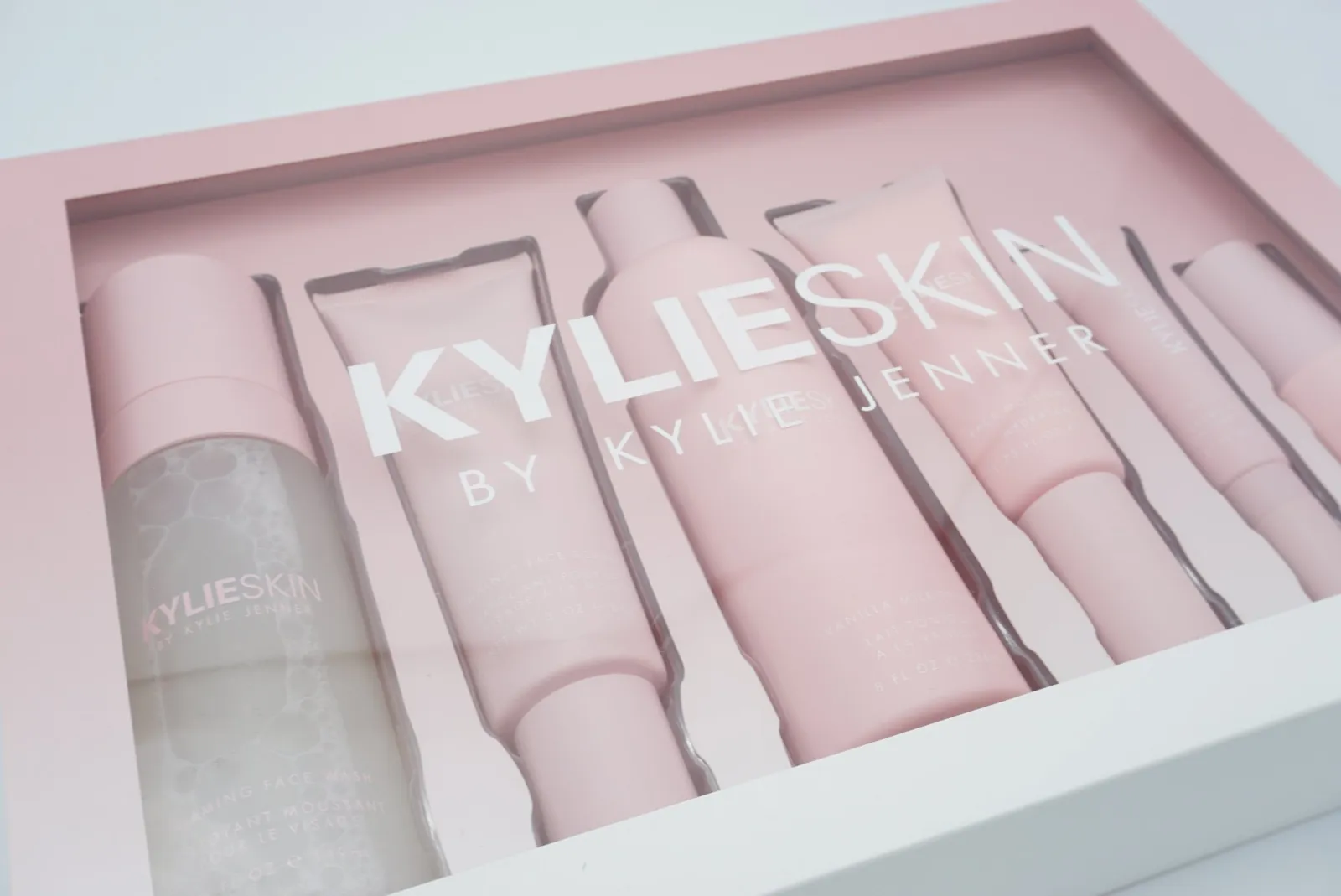
Sephora launched its “Clean at Sephora” initiative in May; however it received extensive criticism that its clean standards weren’t as rigorous as they could be. When the beauty mogul, Kylie Jenner launched her skincare line, the products were labeled as ‘vegan’, ‘cruelty-free’, ‘gluten-free’. She even went ahead to mention it as ‘dermatologically tested’. Which cosmetic line, be it luxurious or small-end, isn’t dermatologically tested in today’s world? The backlash started when one of her face wash appears to include Hydroxyacetophenone, which is reportedly derived from the castor sacs of the mature beaver. Her toner contains squalane, a natural moisturizer that can be found in both in plants and shark liver. However, the official website claims all of it to be derived from plants. But, are there any scientific pieces of evidence to clarify these backlashes? Or are we just too soon to assume that ‘clean beauty’ is a myth?

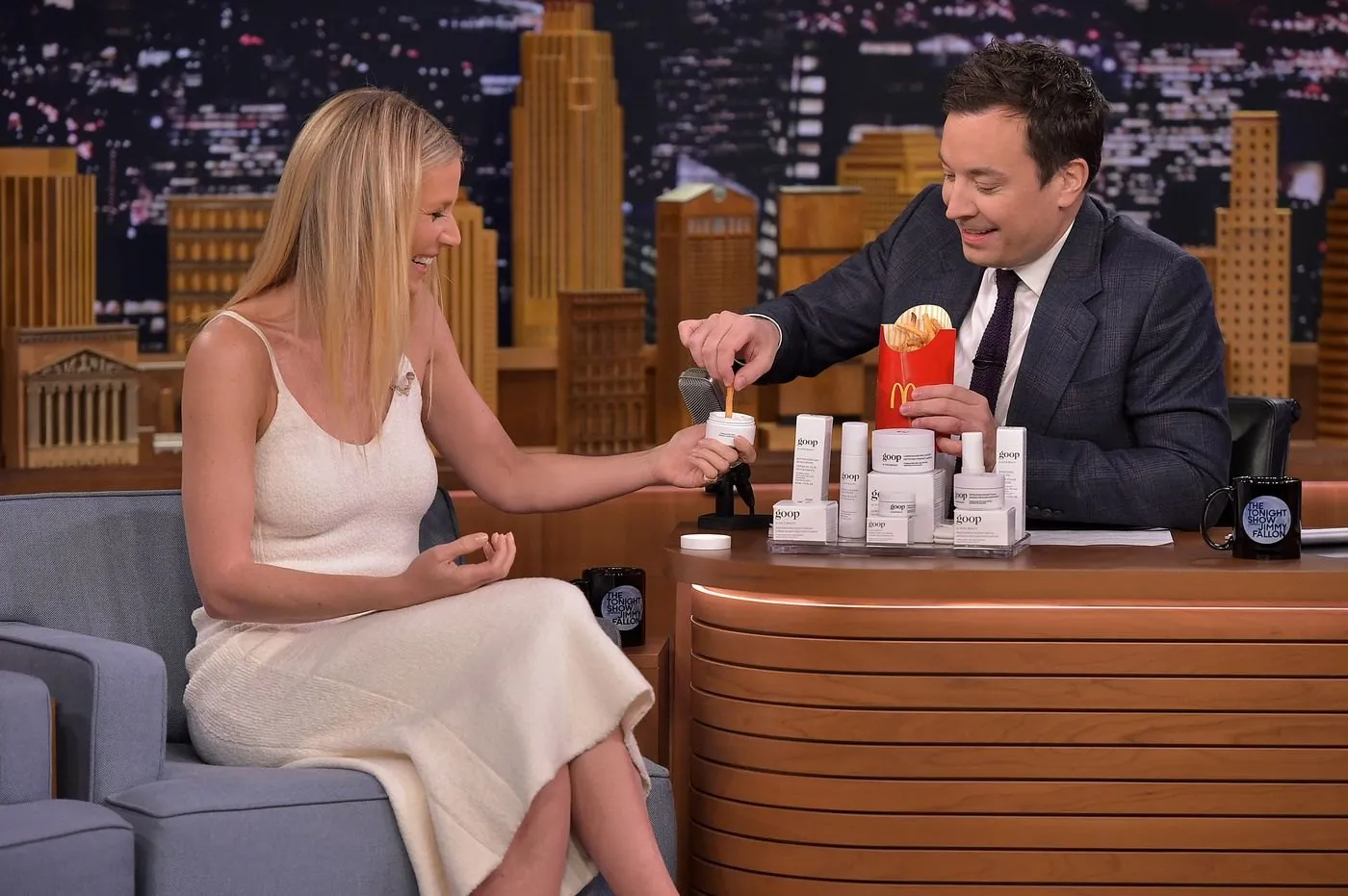
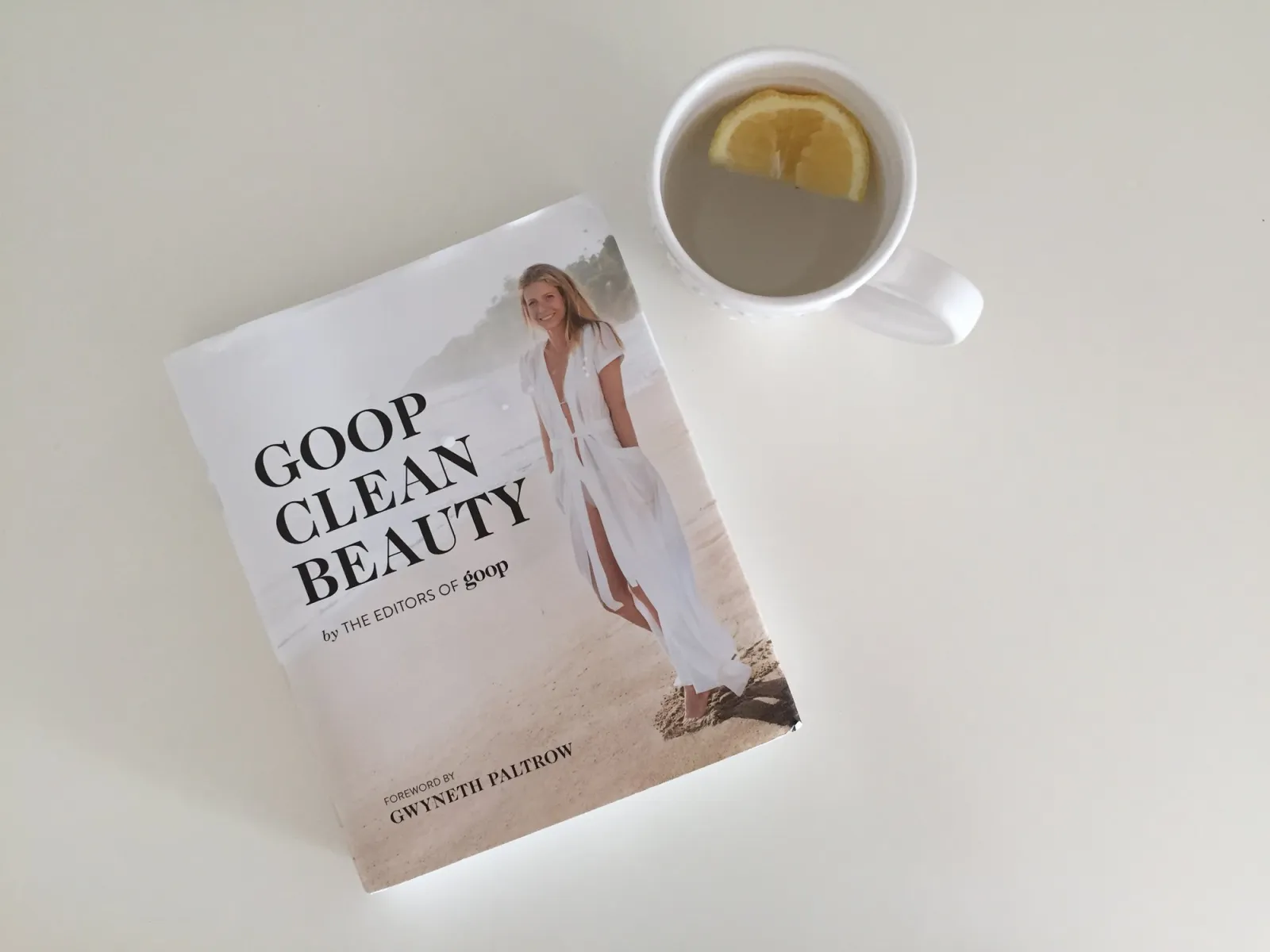
Since the old times, we have been told to trust what we actually see. Gwyneth Paltrow launched Goop in 2016 and she really wanted people to know how vital and natural her line of beauty products was. To promote the line on The Tonight Show, she and host Jimmy Fallon dipped McDonald’s French fries into a pot of her moisturizer and ate it, presumably to show how pure it was. The ‘clean beauty’ market is a complicated one and pretty hard to prove conclusively, but it has brought a message that has kind of caused good radical changes in the cosmetics industry too.
Men have made it very clear from its indulgence that anything that connects to the body and physical appeal is an instant hit. All that, brands and retailers have to do is find out new strategies to market their products and use maximum of its potential to introduce new ingredients that facilitate ‘clean beauty’. People are scared of ingredients and they choose to believe everything that is kept on their plate. We don’t try to even question the authenticity and we have made that clear with the money spent on our skincare. Is ‘clean beauty’ really a myth or a reality? Can it really be the next big thing in the beauty industry, even without scientific proof on its ingredients?
Spotted a mistake, or your photo used without permission? Report a correction