




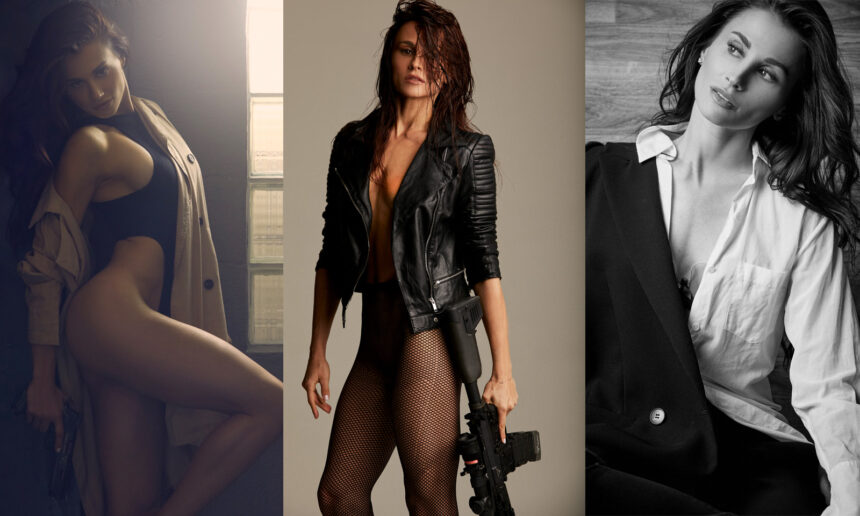
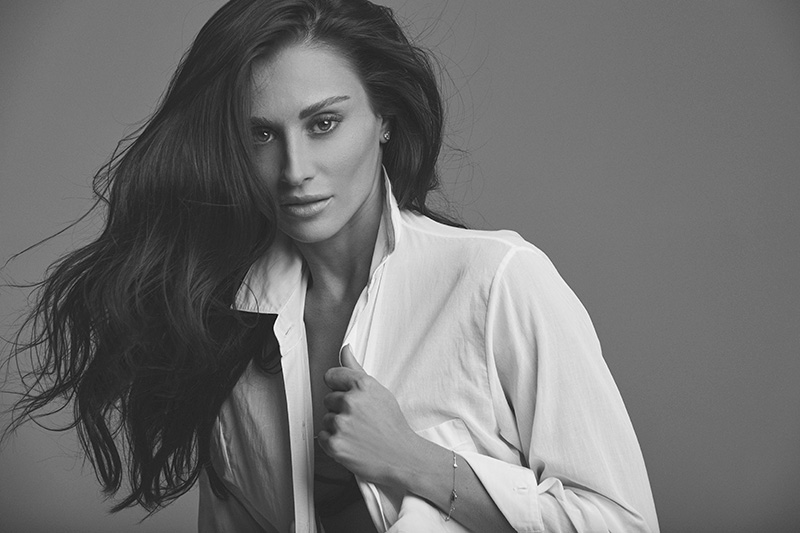
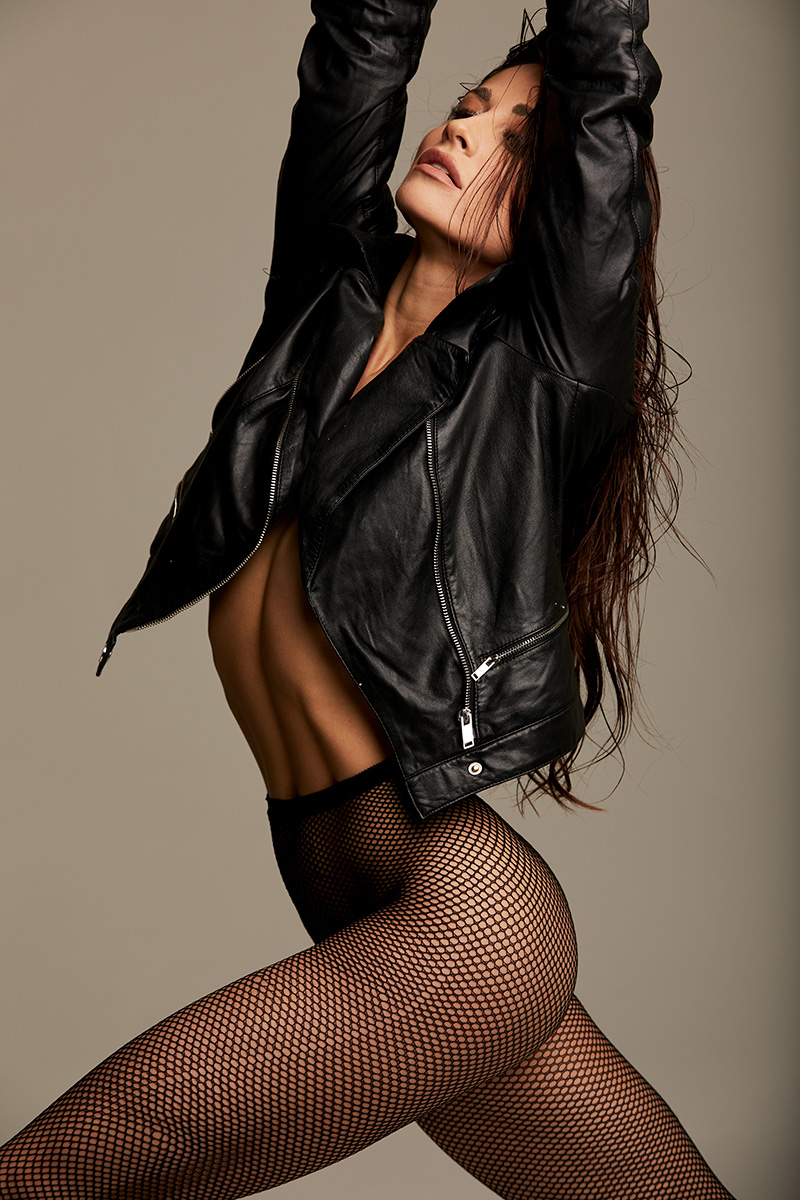
For Tetiana Dar, physicality is more than action; it is another form of storytelling. With a foundation in theatre and years of training in martial arts, dance, weapons, and stunt choreography, she brings a rare combination of strength, sensitivity, and instinct to every performance, on camera and beyond.
Team Credits:
Talent– Tetiana Dar
Photographer- Josh Ryan
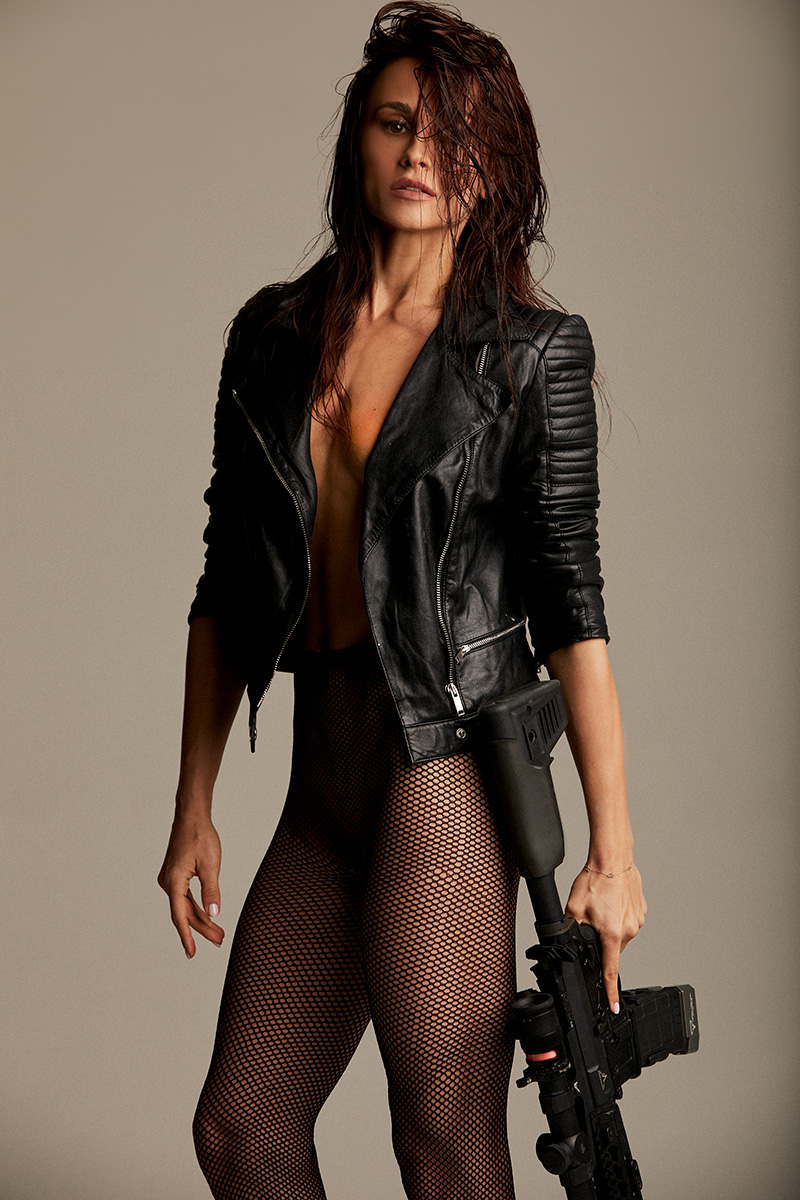
Hollywood rarely rewards those who refuse to fit neatly into one category. Tetiana Dar is an exception. An actress and tactical action specialist, she moves between dramatic performance and physically demanding roles with remarkable ease. Her training at the Moscow Art Theatre laid the foundation for a career shaped by discipline. At the same time, years spent mastering martial arts, dance, weapons and stunt choreography have expanded her physical vocabulary. From Bosch: Legacy and major action productions to motion capture as Call of Duty’s Operator Mila, Dar brings an instinctive understanding of movement, character and presence, establishing herself as a distinctive force both in front of the camera and behind the action.

Your career has been built on precision, from choreography to combat. Is there a daily ritual you’re most obsessive about that keeps you performing at your best?
Yes, I have a small ritual that anchors me. No matter where I am, set or travelling, I start with green juice, then a matcha latte. Sometimes with collagen. It’s simple, but it tells my body that “we’re on.” Unless I’m fasting or doing a deeper reset, this little routine grounds me. It sets my tempo for precision and focus. And then, when the day threatens to run away, I carve out 20 minutes to move. Just a short workout, a quick stretch. It’s not about perfection; it’s about telling my body, “we’re still here, still ready.” These habits really help me during the times when I work on my movies.
You have trained your body to do extraordinary things. Has there ever been a stunt or a movement that genuinely made you question your own limits?
Yes, training under Chad Stahelski and Jeremy Marinas at 87Eleven Entertainment (originally 87eleven Action Design). They’re the independent film production and stunt coordination company behind the action choreography and stunt design on films like the billion-dollar John Wick franchise, Ballerina and many others. That tested everything I had. 4:30 am wake-up, an hour drive from home to the facility, hours of judo, jiu-jitsu, weapons and stunt choreography. It was both brutal and beautiful, painful and fulfilling. Some days I didn’t know how I was going to survive it, but I did. It showed me just how far discipline can carry you and that I could live at the edge of my limits.
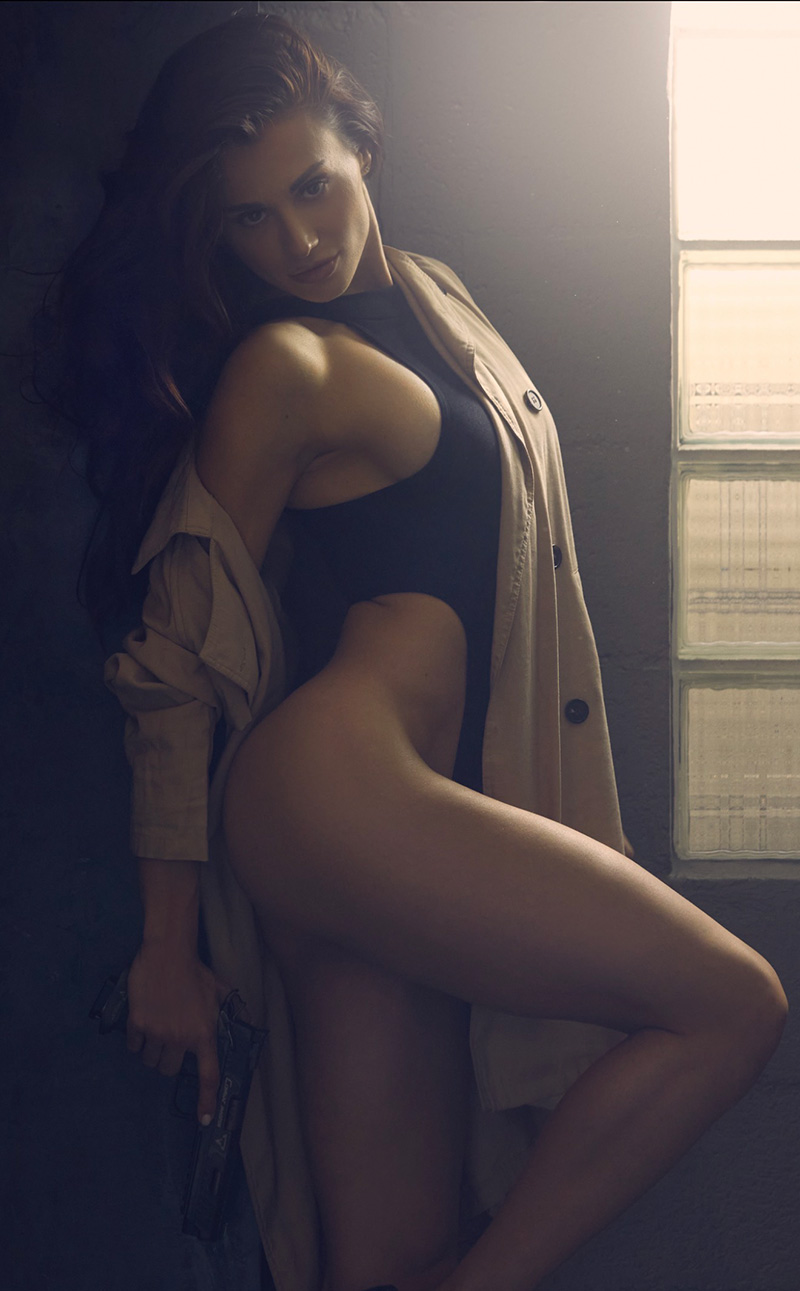
Before stepping onto a film set, do you think like a fighter, a dancer, or an actor, or has your mind created an entirely new instinct?
It’s not strictly a fighter, dancer or actor. It’s more of a blend of them all. Part of me scans for rhythm, like a dancer, part for danger like a fighter. But mostly it’s about presence, staying open to ideas — letting instincts advise me before my brain does. It’s a calm alertness, grounded in the body, ready and aware. It’s not about showing force. It’s about listening with every sense. That mindset lets me move between different worlds, from a dramatic scene in Atlas King to an action sequence in Archangel.
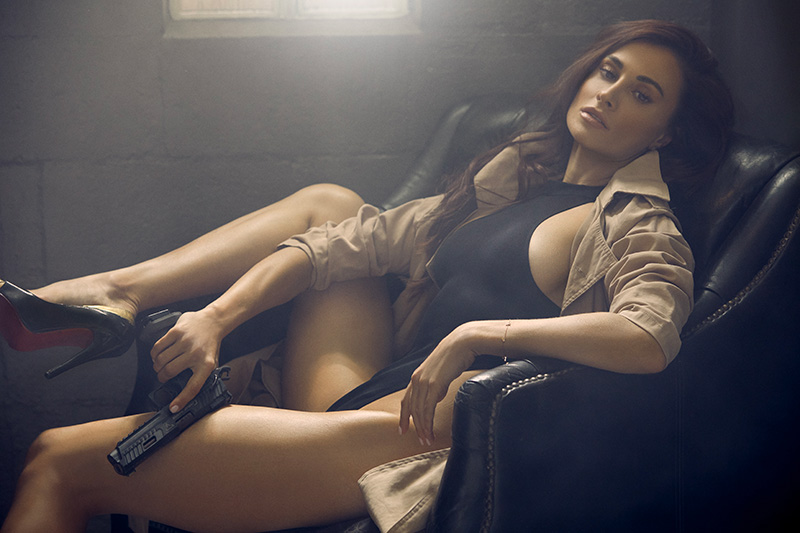
If you could swap lives with one of the characters you have played for just 24 hours, who would you choose, and what would you be most curious to experience?
Honestly, it’d be Agent Oz in the thriller Live 2 Die, which I’m currently filming. It’s literally a childhood dream. Walking into the bureau with that calm authority, reading a room in a second — the discipline, the ethics, the responsibility. 24 hours inside that mind, that code, would be both surreal and grounding.
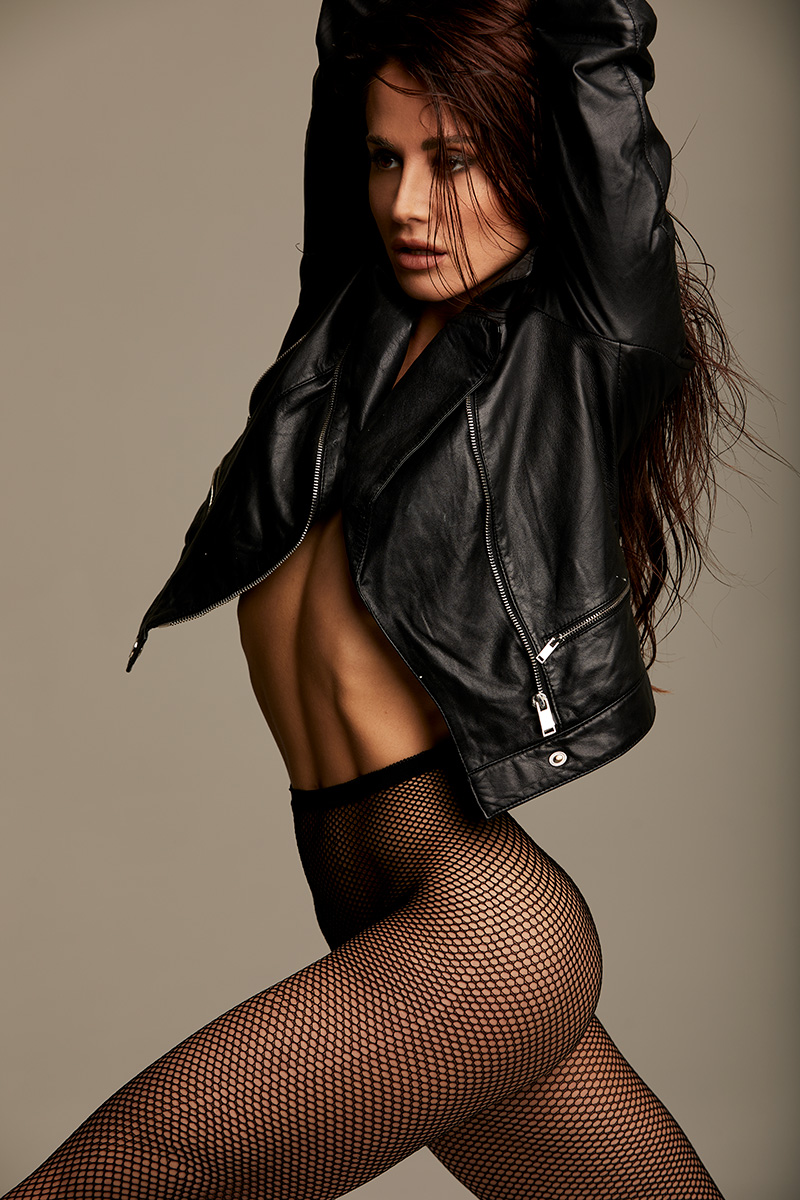
You have gone from performing for a live audience to becoming a digital character in one of the world’s biggest gaming franchises. Does knowing millions of players control your character change how you approach the performance?
It doesn’t change my performance. I built that in the motion-capture space. Every beat. The player explores that work, but they don’t rewrite it. They experience it from different angles. What’s special is that life continues outside the game. I also create content that has over 460 million views. So, fans of the Call of Duty franchise can see the real performance behind the Operator Mila, which makes for a rare bridge between the digital and the human. It’s fascinating that people know the digital version of me, but then discover the real person through my movies, shows, as well as the tactical and action content I create.
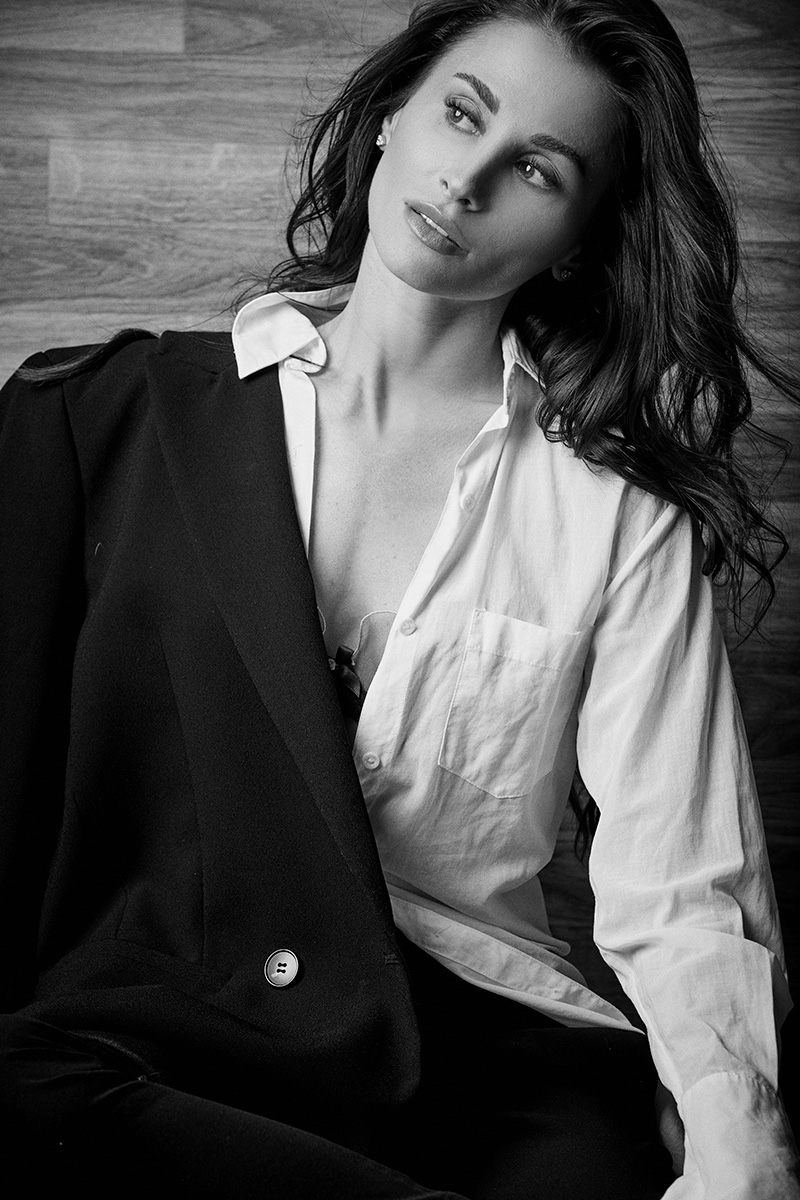
Many people chase versatility, but you have actually lived it. Is there a skill you have mastered that has absolutely nothing to do with your career?
Oddly enough, forensics. I was obsessed with how and why things happen. And psychology too, like understanding motivation, behaviour, and truth. Funny enough, it loops right back into my work.
Action cinema often celebrates physical endurance. What’s the toughest mental battle you’ve had to win before the scenes?
I’d say the toughest battle’s inside. Sometimes it’s self-doubt, sometimes it’s imposter syndrome. Even standing across from someone like Jim Caviezel, Titus Welliver, or other actors I’ve admired for years, I find that the work quiets the noise. Breathe, listen, serve the character and the scene. I focus on turning that “not enough” voice into fuel, not a verdict.
You’ve spent years performing movement. Do you ever find yourself analysing the way strangers walk or carry themselves for future characters?
Yes, I study people a lot. If I notice a behaviour that’s interesting or memorable, I’ll write it down. Sometimes, I catch myself staring, which is awkward. But those notes help me build truthful characters later, like Zero in Best Pancakes in the County with Nicolas Cage. It feeds the work.
If a director asked you to play a character with no action, no dance, and almost no dialogue, would that excite or frustrate you? Why?
Honestly, it would excite me. I love when the challenge isn’t physical but internal. If a character needs to convey something specific, some moral tension or psychological twist, that’s enough to pull me in. Even silence can be powerful. It’s like stripping everything back until only the truth remains. My years at the Moscow Art Theatre taught me that silence can be as expressive as dialogue.
If Hollywood could only remember you for one scene, not one film, just one unforgettable scene, what would you want that moment to look like?
That would be a scene that helps people be better, like saving or helping someone who can’t save or help themselves. Or something that nudges a child or anyone to be braver and chase their dream. No fluff. Just that clear hope. I’d want one scene that helps someone be braver, kinder, mentally stronger and more hopeful for a better day.
You train in an unusually wide range of physical disciplines. What does contortion give you as a performer?
I came to it through my love of horror movies. I love the creepiness of contortion. My body opened up to it quickly, and I do it weekly now. It hurts, but I think I’m a little addicted to that kind of pain. I notice if I skip it, I end up hurting more.
Your work is so physical. Is there a beauty ritual that is non-negotiable for you?
When I moved to America, the first thing people told me was to wear sunscreen, which is not something that’s really talked about back home in Eastern Europe. So now I never skip it. No matter how late I get home from set, I always triple-cleanse and use serums and creams religiously. I also invest in my skin with things like laser therapy when I can. I think it matters.